Jun, 12, 2026
Content
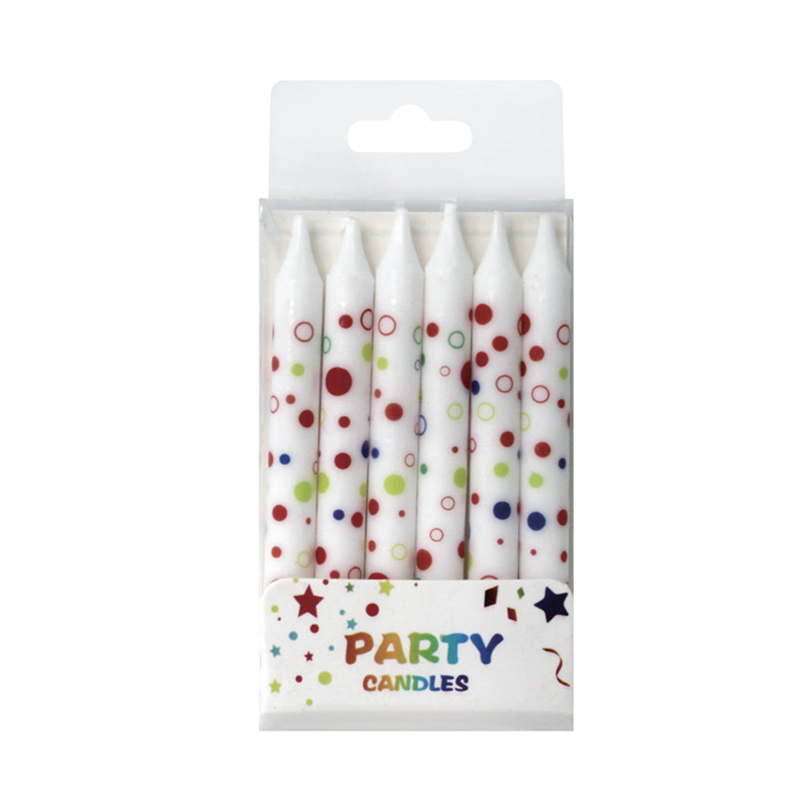
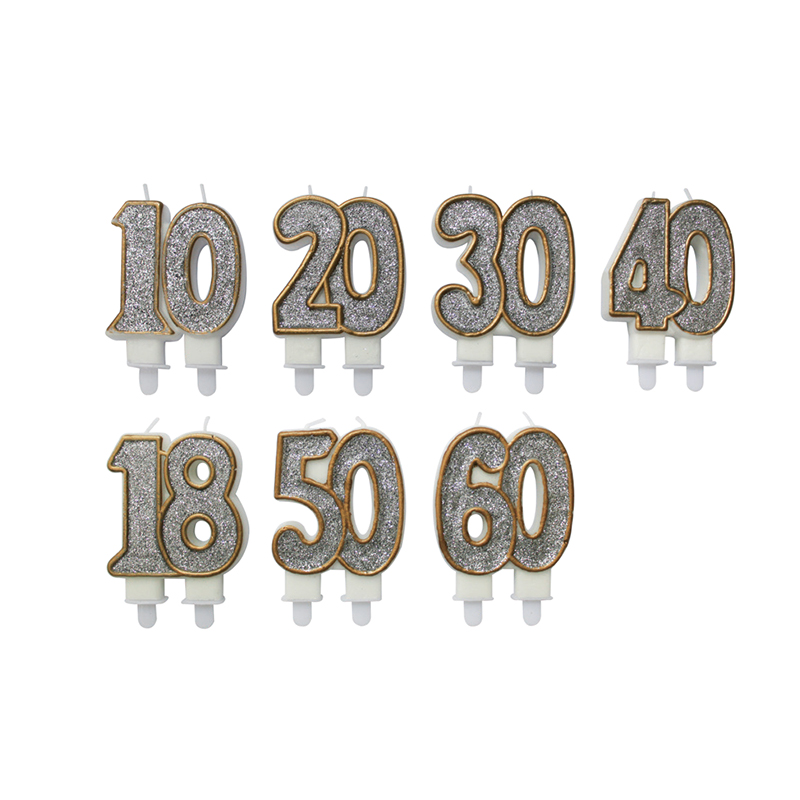
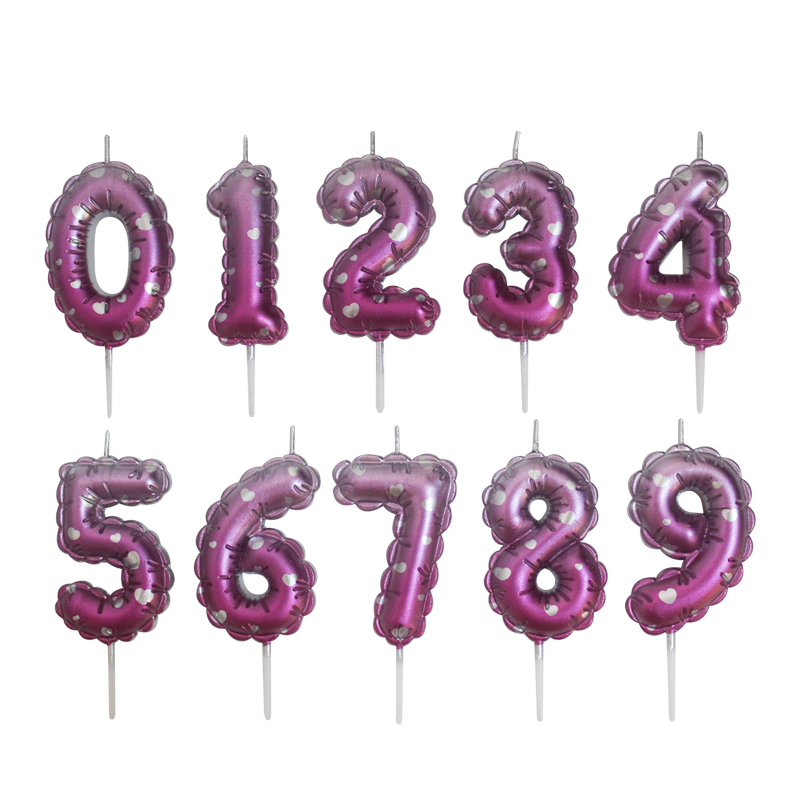
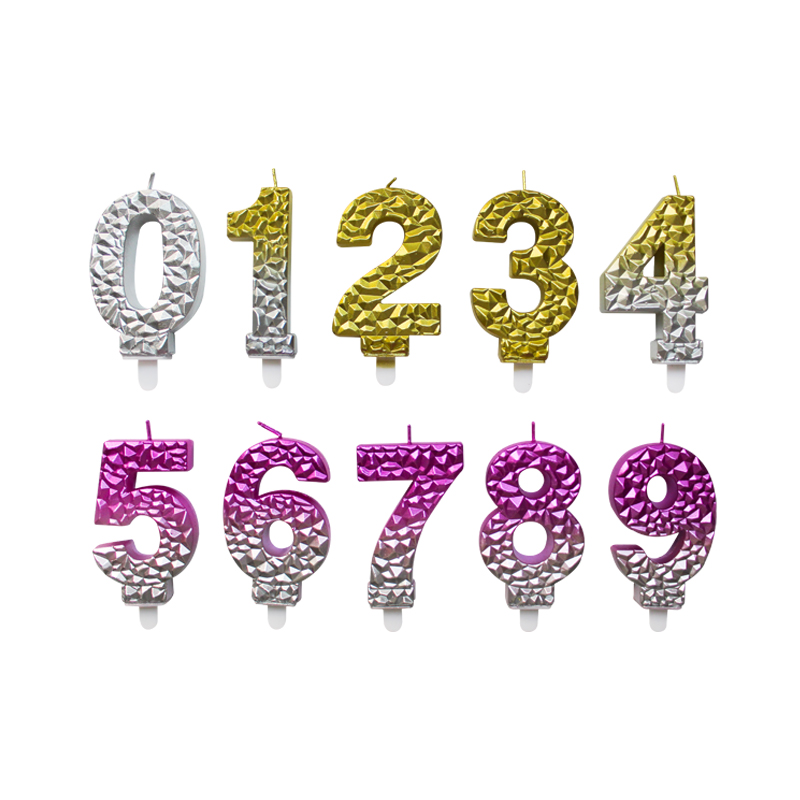
To choose the best craft shaped candles, focus on five core factors: wax material quality, wick performance, shape detail and finish, colorfast dyes, and match between the candle's purpose and its design. Whether you are selecting shaped candles for a birthday party, a home decoration scheme, a gift, or a retail display, understanding each of these criteria will help you identify candles that look impressive, burn safely, and deliver lasting value. The sections below break down every key consideration in practical detail.
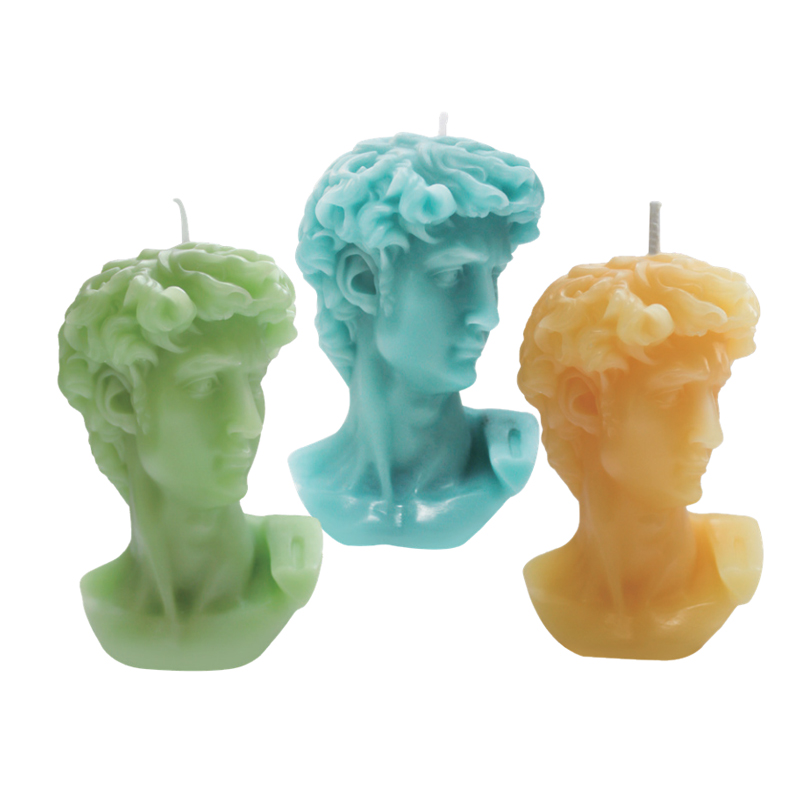
Craft shaped candles are candles molded or hand-formed into decorative three-dimensional shapes beyond the standard pillar, taper, or tea-light formats. The range of available shapes is extremely broad — animals such as bears, rabbits, and flamingos; plants including succulents, roses, and cactus forms; cartoon and fairy-tale characters; geometric forms like stars, hearts, and crowns; and seasonal motifs tied to holidays or celebrations. These candles serve a dual function: they provide actual illumination or fragrance when lit, and they function as decorative objects or gifts even before they are burned.
Unlike plain utility candles, craft shaped candles are judged on visual impact, surface detail quality, color vibrancy, and structural integrity in addition to their burn performance. This dual requirement — aesthetic and functional — makes the selection process more nuanced than simply buying the cheapest or most visually striking option available.
The wax used to make a shaped candle determines its appearance, structural stability, burn quality, and environmental profile. Different wax types have meaningfully different characteristics, and understanding them allows you to make an informed choice based on what matters most to you.
Paraffin wax is the most widely used material for craft shaped candles, and for good reason. It has a higher melting point range (typically 46–68°C depending on grade), which means it holds detailed mold shapes well and is dimensionally stable at room temperature. It accepts colorants readily, producing vivid, consistent colors, and it can be blended with additives to achieve hard, glossy surfaces ideal for intricate decorative shapes. Paraffin-based shaped candles typically retain fine surface details — such as fur texture on animal candles or petal definition on floral shapes — better than softer waxes. For birthday party candles and decorative display pieces where visual sharpness matters most, paraffin remains the standard.
Soy wax is derived from hydrogenated soybean oil and is favored by buyers who prioritize natural or plant-based ingredients. It burns more slowly than paraffin — soy candles can burn up to 50% longer per unit of wax — and produces less soot. However, pure soy wax has a lower melting point and softer texture, which can cause shaped candles to lose fine detail at warm room temperatures or during shipping in summer. Soy is more commonly used for container candles and simple geometric shapes than for highly detailed figurative forms. Soy-paraffin blends are a practical compromise, offering improved natural credentials while retaining the structural performance needed for complex shapes.
Beeswax is a premium natural wax with a distinctively warm, honey-like aroma. It has the highest melting point of common candle waxes (approximately 62–65°C), making it structurally rigid and long-lasting. Beeswax candles burn very cleanly. The trade-off is that beeswax is harder to color to vivid shades (it imparts its own amber tone to colorants), which limits the palette of shaped candles made from it. Beeswax craft candles tend toward natural, muted tones and are most often seen in simple animal or botanical shapes targeted at premium or eco-conscious buyers.
Most production-grade craft shaped candles use proprietary blends combining paraffin or soy with stearic acid, microcrystalline wax, or other additives. Stearic acid (typically added at 10–20%) increases hardness, opacity, and mold release, improving shape definition. Microcrystalline wax improves flexibility and adhesion, useful for thin-walled or complex 3D shapes that might crack in pure paraffin. When evaluating a shaped candle, a well-formulated blend will feel solid and slightly waxy to the touch, show no surface blooming or cracking, and hold its shape without distortion at normal indoor temperatures up to approximately 30°C.
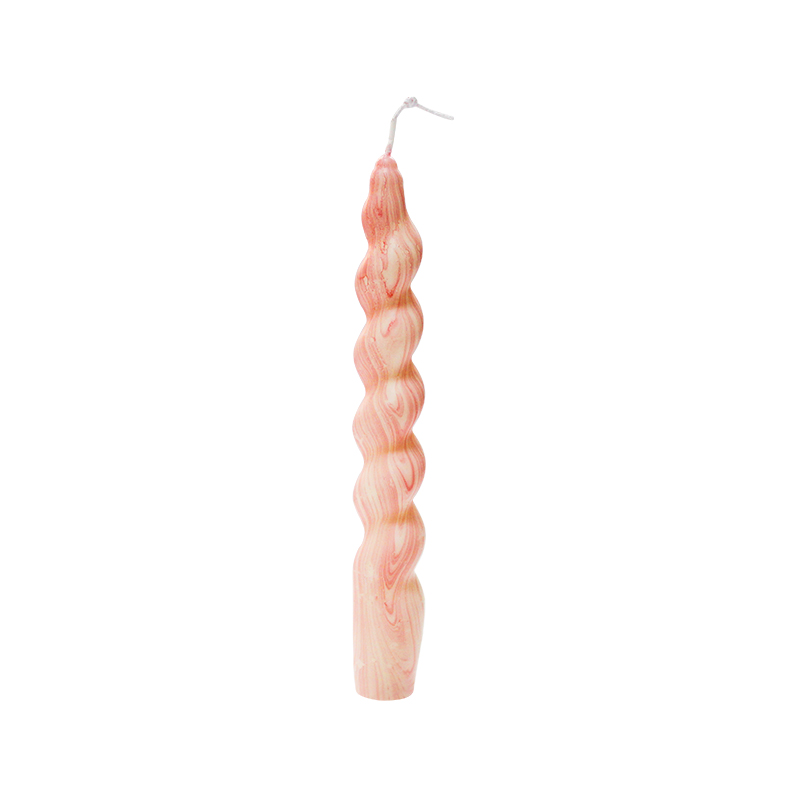
For craft shaped candles, the quality of the shape itself is the primary visual differentiator. A well-made shaped candle should meet the following standards:
Color is one of the most immediately noticed attributes of a craft shaped candle. Vibrant, accurate colors make animal candles look lifelike, floral candles look realistic, and character candles look recognizable. Several factors determine color quality:
Candle colorants come in two basic categories. Dyes dissolve fully into liquid wax, producing transparent-to-translucent, deeply saturated colors throughout the candle body. They are ideal for jewel-toned or gem-like shaped candles. Pigments are fine insoluble particles that disperse in wax, producing opaque, matte colors — better for solid-looking animal and character candles that need to mimic real-world objects. Quality shaped candles use colorants specifically formulated for wax — standard fabric or food dyes will bleed, fade unevenly, or react with the wax in ways that degrade appearance over time.
Candles displayed in bright or sunlit rooms are vulnerable to UV-induced fading. A high-quality craft candle should retain its color for at least 6–12 months under normal indoor lighting without significant fading. If you are selecting candles for long-term decorative display — rather than immediate use at a party — ask the supplier about UV stability or look for candles that include UV-inhibitor additives in the wax formulation. Avoid candles with surface paint or coating as the only color source; surface-painted candles chip and fade far more quickly than through-dyed or pigmented wax.
Many premium craft shaped candles incorporate hand-painted accent details — eyes on animals, facial features on characters, color gradients on flowers. Evaluate the precision of these painted details: clean edges, consistent coverage, and no smearing or overspray. On cartoon character or crown candles intended for birthday celebrations, the quality of painted features directly affects how photogenic and gift-worthy the candle appears.
A beautiful craft shaped candle that burns poorly — guttering, producing excessive smoke, tunneling through the center, or extinguishing itself — fails at its fundamental purpose. Wick quality and sizing are the primary determinants of burn performance.
Most quality candle wicks are made from braided or twisted cotton. Cotton wicks burn cleanly, curl slightly as they burn (self-trimming action), and do not produce the black carbon deposits associated with low-quality wicks. Some specialty candles use paper-core or wood wicks. Avoid candles with metal-core wicks unless they are confirmed to use zinc or paper cores — lead-core wicks, while rare in modern products, pose health risks when burned indoors.
The wick diameter must be matched to the candle's cross-sectional width at the burn zone. An undersized wick produces a small flame that fails to melt wax to the edges, causing tunneling — a narrow channel down the center that wastes most of the candle. An oversized wick produces an oversized flame, excessive heat, rapid consumption, and potential dripping or safety hazards. For a shaped candle with a burn diameter of 50–70 mm, a correctly sized wick will produce a melt pool reaching the edges within the first 2–3 hours of burning. The wick should also be perfectly centered in the candle — an off-center wick causes uneven burning and can cause the candle to lean or collapse on one side.
The wick should be pre-trimmed to approximately 6–8 mm above the wax surface before the first lighting. A correctly pre-trimmed wick is a sign that the manufacturer has attended to burn quality, not just appearance. If the wick is excessively long at purchase, trim it before use — an overlong wick produces a large, flickering flame that generates soot and burns the candle too quickly.
The wide variety of craft shaped candle designs means there is a shape suited to virtually every occasion and decorative context. Choosing the right shape for the setting maximizes visual impact and audience appeal.
| Occasion / Setting | Recommended Shape Categories | Key Selection Criteria |
|---|---|---|
| Children's birthday party | Cartoon characters, animals, crowns, stars | Bright colors, recognizable forms, safe burn time |
| Adult birthday or celebration | Crowns, geometric forms, floral shapes, numerals | Elegant finish, color coordination with décor |
| Home decorative display | Plants, succulents, animals, sculptural forms | Long-term color stability, surface detail quality |
| Wedding or romantic occasion | Roses, hearts, swan pairs, ring shapes | White, blush, or gold color palette; clean burn |
| Gift packaging | Any high-detail shape with premium finish | Packaging quality, structural robustness for shipping |
| Retail or shop display | Seasonal motifs, trending characters, novelty forms | Visual shelf appeal, consistent batch quality |
Many craft shaped candles are available in both unscented and scented versions. The choice depends on where the candle will be used and whether fragrance is desired as part of the experience.
Decorative shaped candles are often used at events with children present, placed on or near cakes, or displayed in domestic settings. Safety is therefore a genuine selection criterion, not merely a formality.
Birthday candles intended for cake use are typically designed for short burn times of 1–5 minutes — long enough to complete the birthday ceremony but not so long that hot wax drips onto the cake. Decorative shaped candles intended for extended burning should state a burn time on the packaging; a minimum of 20–30 hours is reasonable for a medium-sized shaped candle. Avoid candles with no stated burn time or safety information on the label.
Shaped candles with a narrow base or high center of gravity are more prone to tipping when softened by heat during burning. Test freestanding shaped candles for stability before lighting, and always place them in a suitable candle holder or on a heat-resistant plate. Never leave a burning shaped candle unattended, particularly candles with overhanging wax sections that could drip or collapse as the wax melts.
When purchasing shaped candles for use around children or in food settings, verify that the product uses non-toxic, food-safe colorants and that the wax formulation does not contain harmful additives. Reputable manufacturers will provide documentation of compliance with relevant safety standards. Look for candles from suppliers who can demonstrate product testing and quality control processes, and who have manufacturing certifications such as ISO 9001 as evidence of consistent production standards.
For craft shaped candles purchased as gifts or ordered in bulk for events, packaging quality is a practical concern. Good packaging protects the candle's shape and surface finish during transport and storage, and contributes to the perceived value of the product when given as a gift.
Event organizers, retailers, and wholesale buyers face additional considerations when purchasing craft shaped candles in large quantities. Consistency across a batch is as important as the quality of any individual piece.
Understanding what makes each shaped candle category distinctive helps buyers evaluate specific products more accurately.
Animal candles — bears, rabbits, flamingos, cats, hedgehogs, and many others — are among the most popular craft candle categories. Quality animal candles should have realistic or characterful proportions, clearly defined facial features, and textured surfaces that suggest fur, feathers, or scales. The best examples use multi-color pigment combinations to accurately represent the animal's natural coloring. Check for symmetry: both eyes should be level, both ears proportional. Animal candles are popular across children's parties, home décor, and gift markets simultaneously.
Rose, succulent, cactus, and botanical candles have become strongly popular as home décor items. The key quality indicator for floral candles is petal definition — petals should have clearly separate edges and natural curvature, not a blurred or smoothed-over appearance. Succulent candles in particular have benefited from advances in multi-piece molding that allow individual leaf layers to be reproduced with impressive realism. Green and botanical color ranges should appear natural rather than artificially bright.
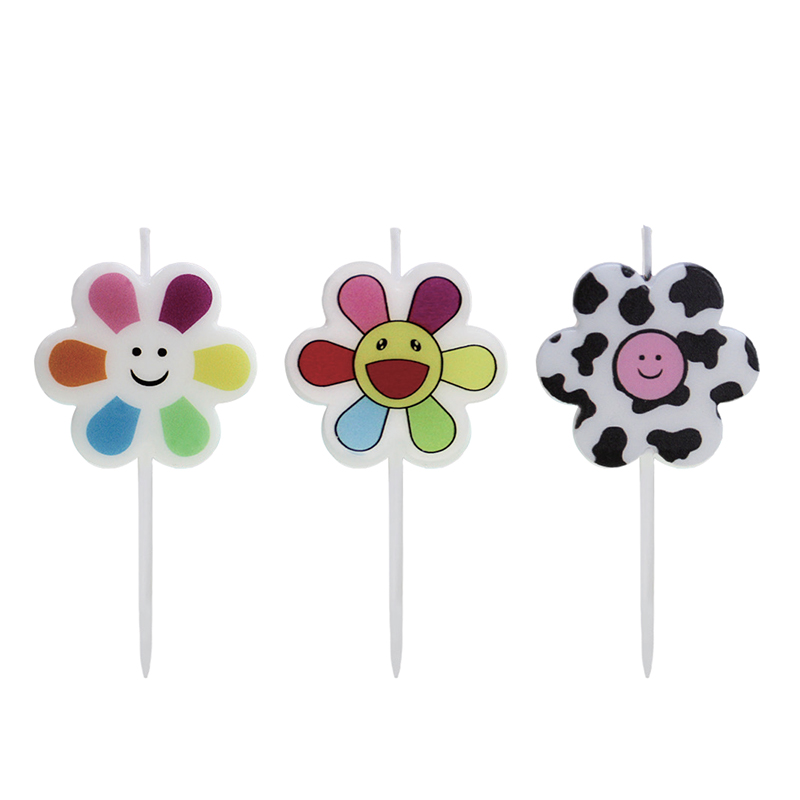
Character and crown candles are staples of the birthday party market. Crown candles in particular — available in gold, silver, pink, and multi-color finishes — are widely used as cake toppers and decorative centerpieces. For character candles, likeness accuracy and painted detail precision are the critical quality factors. Crown candles should have consistent metallic or glitter finishes without patchiness, and should be structurally robust enough to withstand placement on and removal from cakes without breakage.
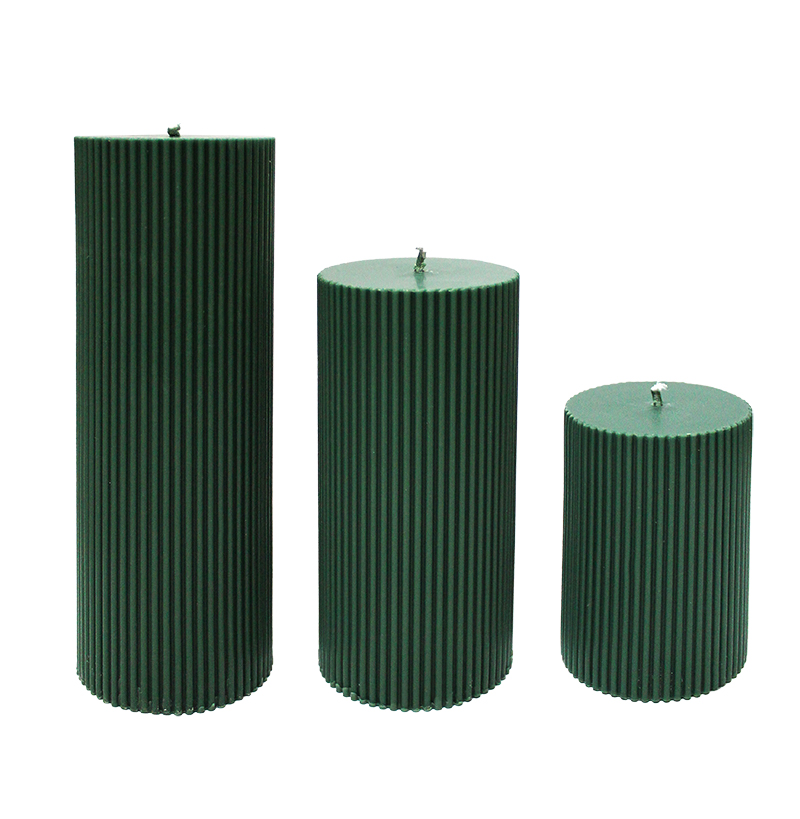
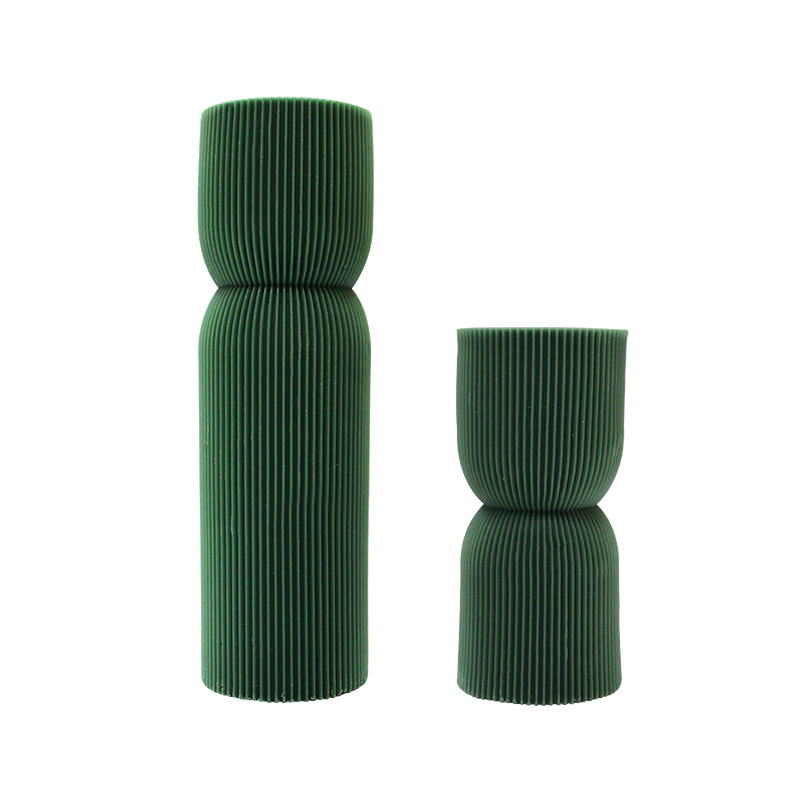
Geometric shaped candles — spheres, pyramids, hexagonal prisms, twisted columns — are popular in the adult décor and gifting market. Quality geometric candles should have mathematically precise edges and flat faces, no visible seam lines, and a smooth or intentionally textured surface finish. Metallic, marble-effect, and ombre color treatments are common in this category and require more sophisticated production techniques — evaluate the consistency of the effect across the entire candle surface.
The production of craft shaped candles involves a more technically demanding process than standard candle manufacturing. Mold design and maintenance, wax blend formulation for specific shape characteristics, colorant compatibility, wick placement in complex shapes, and consistent demolding without surface damage all require accumulated expertise and well-maintained equipment. Sourcing from manufacturers with dedicated R&D capabilities, established production processes, and documented quality management systems significantly reduces the risk of receiving substandard or inconsistent products.
Zhuji Gewo Wax Industry Co., Ltd. is a professional craft shaped candle manufacturer integrating R&D, production, and sales. The company specializes in birthday candles, digital candles, craft candles, and aromatherapy cup waxes, backed by location advantages and mature production capabilities. Working with a manufacturer that combines in-house development with full production control ensures that shaped candles meet both aesthetic and functional standards consistently across production batches — a critical requirement for buyers sourcing for events, retail, or wholesale distribution.
Use the checklist below as a practical reference when evaluating any craft shaped candle for purchase:
Related Products

We sincerely invite partners at home and abroad to work together to create new value for candlelight economy!



 English
 русский