About Gewo Story
Choose A Trustworthy Company With Peace Of Mind
As a professional candles products supplies and candles products factory , Zhuji Gewo Wax Industry Co., Ltd provider integrating R&D, production, and sales. The company mainly engages in the production and manufacturing of birthday candles, digital candles, craft candles, and aromatherapy cup waxes. Relying on location advantages and mature ...
Product Industry knowledge
A Complete Guide to Candle Product Core Knowledge
Candles, a product spanning millennia, have evolved from a simple lighting tool into a lifestyle staple that combines decorative, fragrant, and ceremonial values. The richness of their product portfolio stems from a diverse selection of raw materials, refined craftsmanship, and precise adaptation to specific occasions. The technological expertise of professional manufacturers further enhances product quality.
I. Raw Material Cornerstone: The Core Element Determining Product Characteristics
The quality and performance of candles are fundamentally determined by their raw materials. The differences in the physical and chemical properties of different wax materials directly influence the product's functional positioning and user experience. Currently, mainstream raw materials can be divided into four categories:
(I) Paraffin Wax: The Cost-Effective Choice
As the most common raw material for candles, paraffin wax is derived from the waxy fraction of petroleum, produced through cold pressing or solvent dewaxing. Its primary components are higher alkanes such as n-docosane (C22H46) and n-octacosane (C28H58), with a carbon content of approximately 85% and a hydrogen content of approximately 14%. Its advantages lie in its stable melting point (typically slightly above 40°C), low cost, smokeless and non-toxic combustion, and excellent moldability, making it ideal for mass production of basic candles such as everyday lighting and birthday candles. To optimize performance, stearic acid is often added during production to adjust the hardness or polyethylene is added to enhance stability. Zhuji Gewo Wax Industry Co., Ltd.'s flagship products, such as birthday candles and number candles, rely on high-quality paraffin wax, combined with precise blending to achieve stable burning performance.
(II) Natural Animal Wax: Representatives of Traditional Quality
Beeswax and lanolin wax are typical examples of these waxes, which offer natural advantages. Beeswax, secreted by bees, emits a light, natural fragrance when burned, burns thoroughly, and leaves little residue, making it a preferred material for high-end candles. Lanolin wax, on the other hand, offers a richer aroma and also has the added benefit of air purification. However, due to the high cost of raw material procurement, these waxes are primarily used in mid- to high-end custom products, which align with consumer demand for a natural experience.
(III) Plant-Based Waxes: An Environmentally Friendly Upgrade
With the rise of green consumption trends, plant-based waxes such as soy wax, palm wax, and Chinese tallow wax have become popular in the industry. Soy wax is naturally derived, emits no toxic gases when burned, and solidifies slowly, effectively locking in essential oils, making it an ideal material for scented candles. Chinese tallow wax has been used in candlemaking since the Southern Tang Dynasty. Its natural properties significantly reduced candle costs and fueled the early adoption of the product. The environmental and health benefits of these waxes have made them a core ingredient for companies like Gewo Wax Industry in developing high-end scented cup candles, aligning with contemporary consumers' pursuit of a greener lifestyle.
(IV) Specialty Waxes
To meet personalized needs, the industry has also developed specialized materials such as wax resins and ice waxes. These materials offer unique combustion rhythms and visual effects. For example, ice wax creates a crystal-clear, melted state when burned, making it a popular choice for decorative candles.
II. Core Categories: Scenario-Driven Product Differentiation
Based on differences in raw material properties and usage scenarios, candles have been divided into four core categories, each with distinct features in design, craftsmanship, and functionality, which aligns perfectly with Gewo Wax Industry's product portfolio.
(I) Birthday and Number Candles: A Precise Expression of Ritual
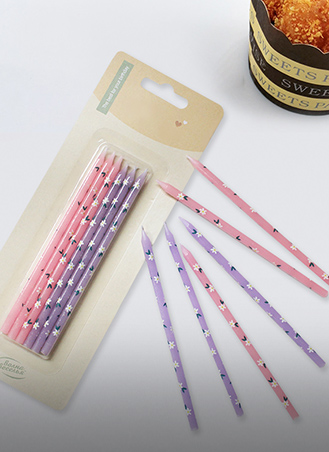
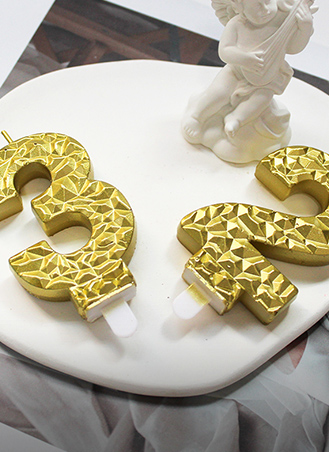
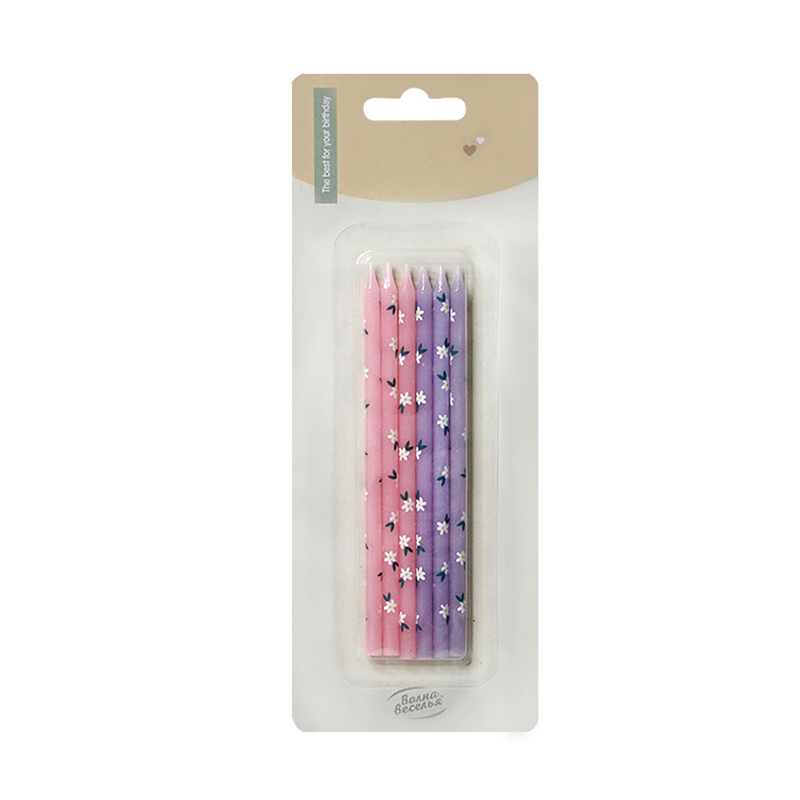
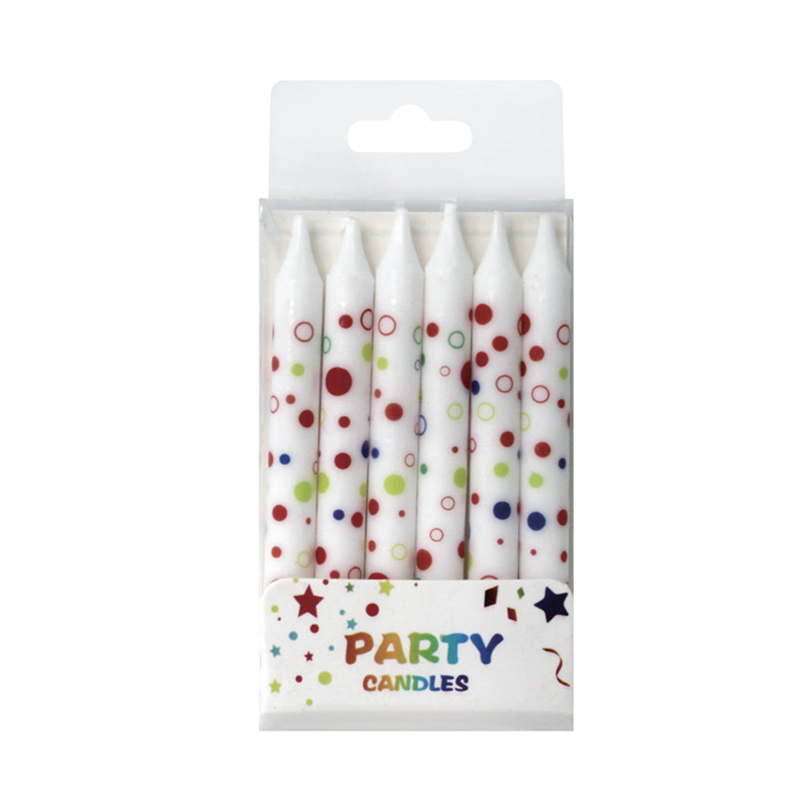
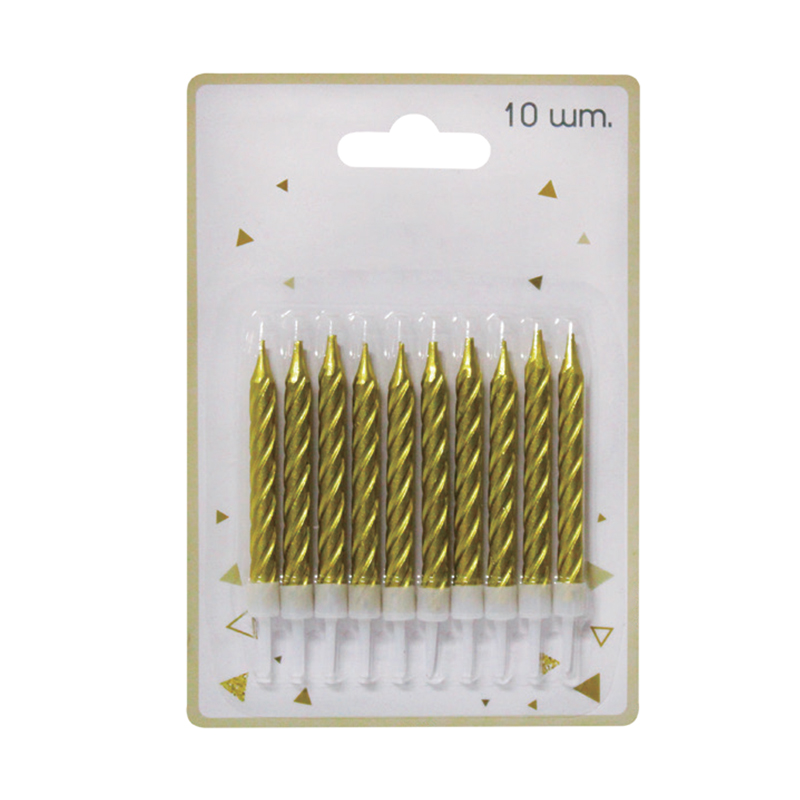
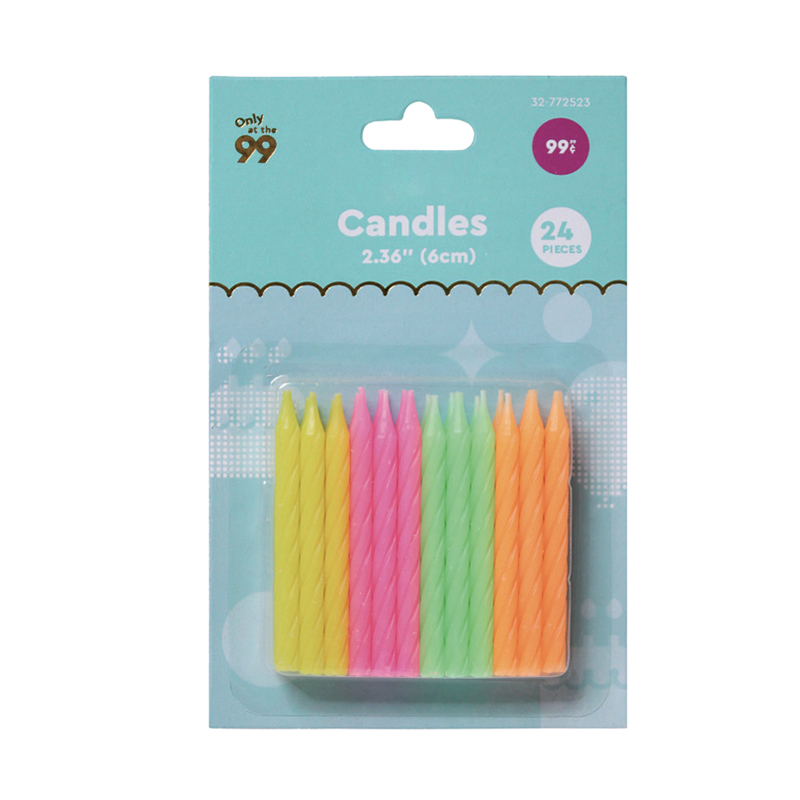
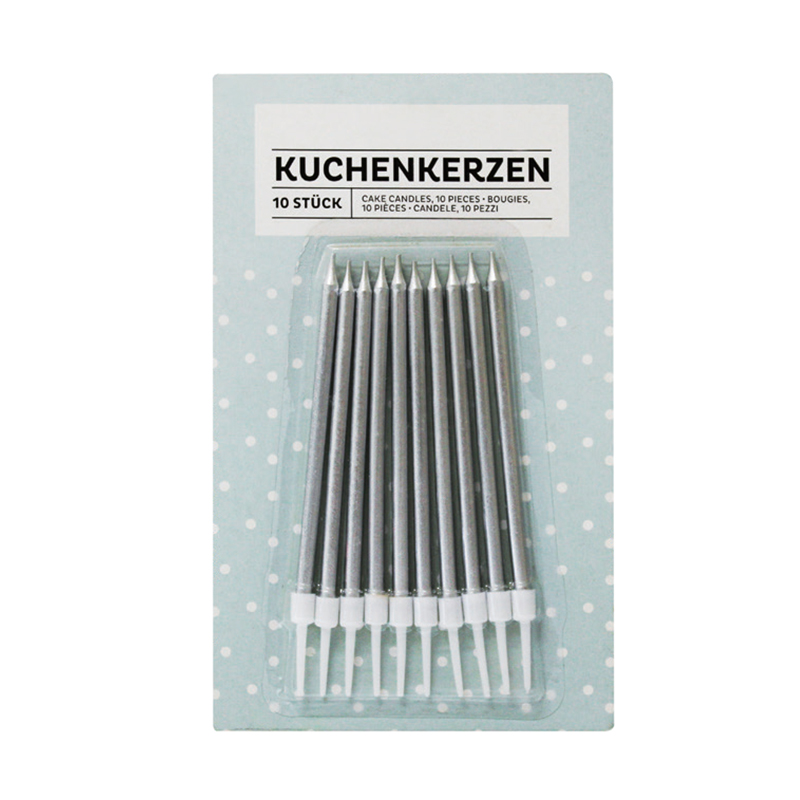
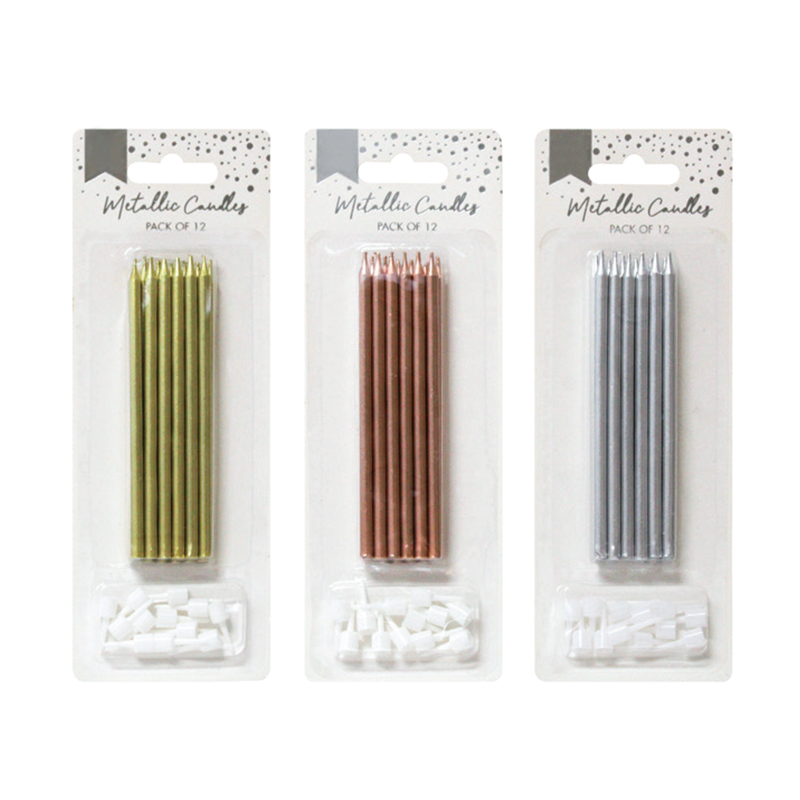
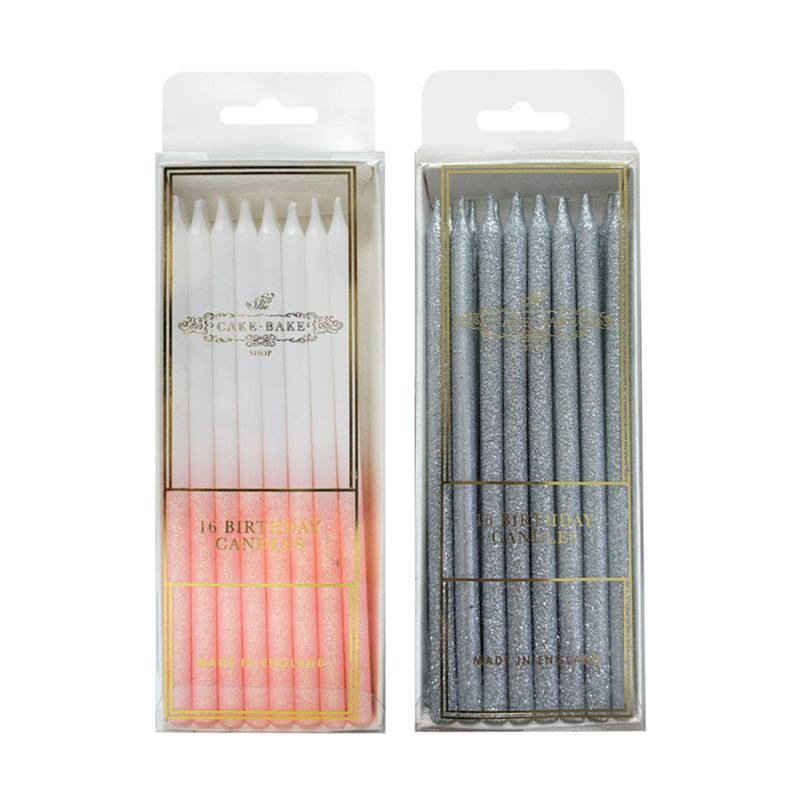
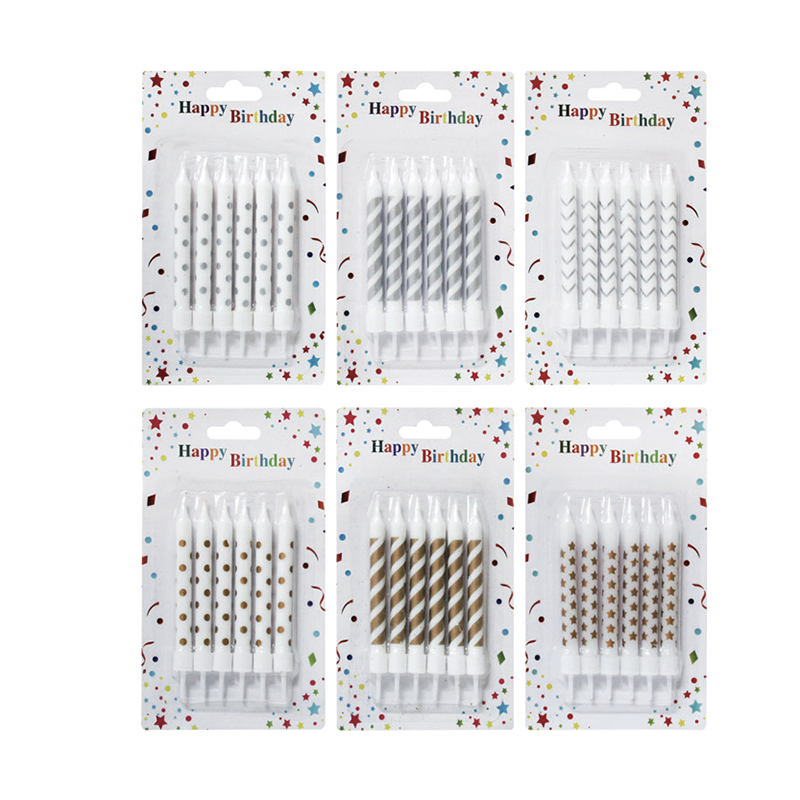
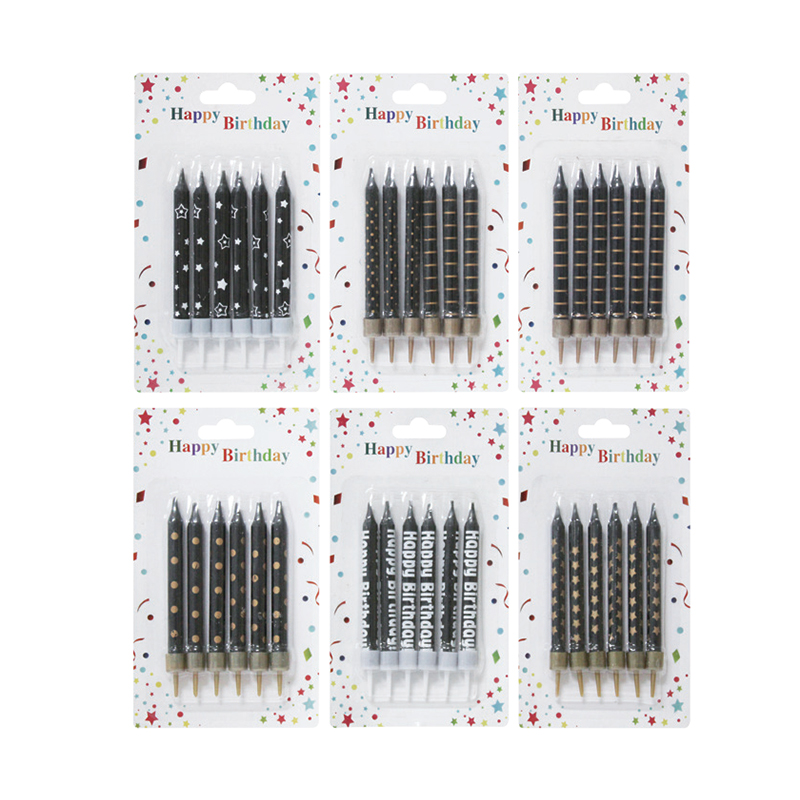
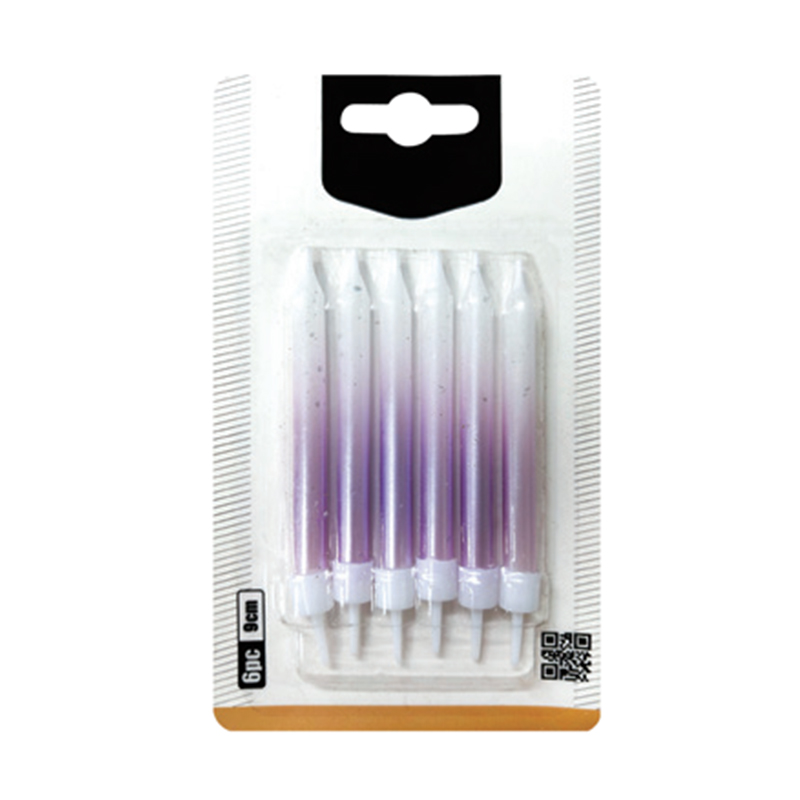
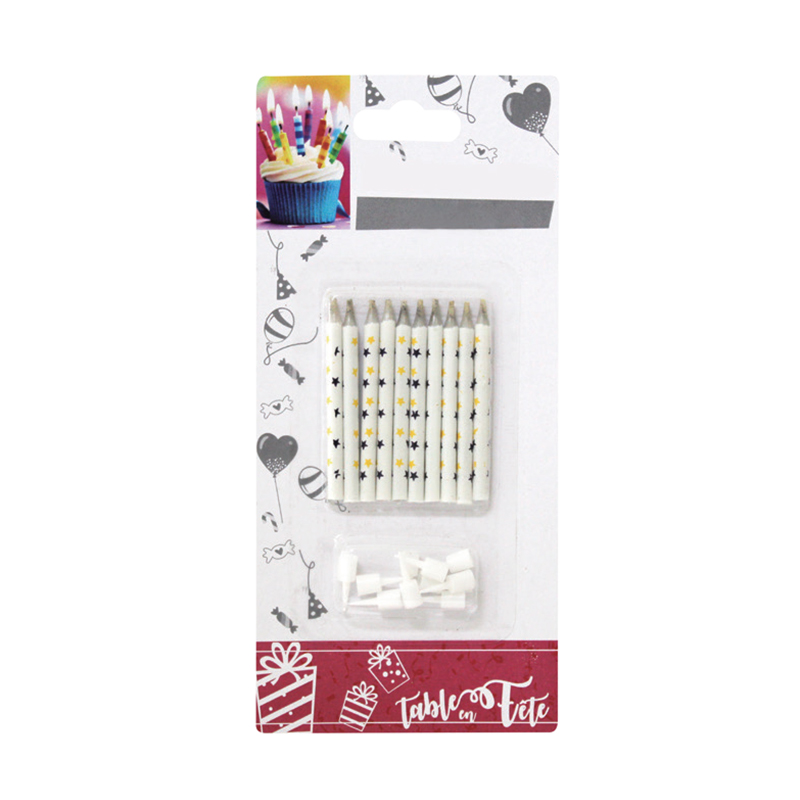
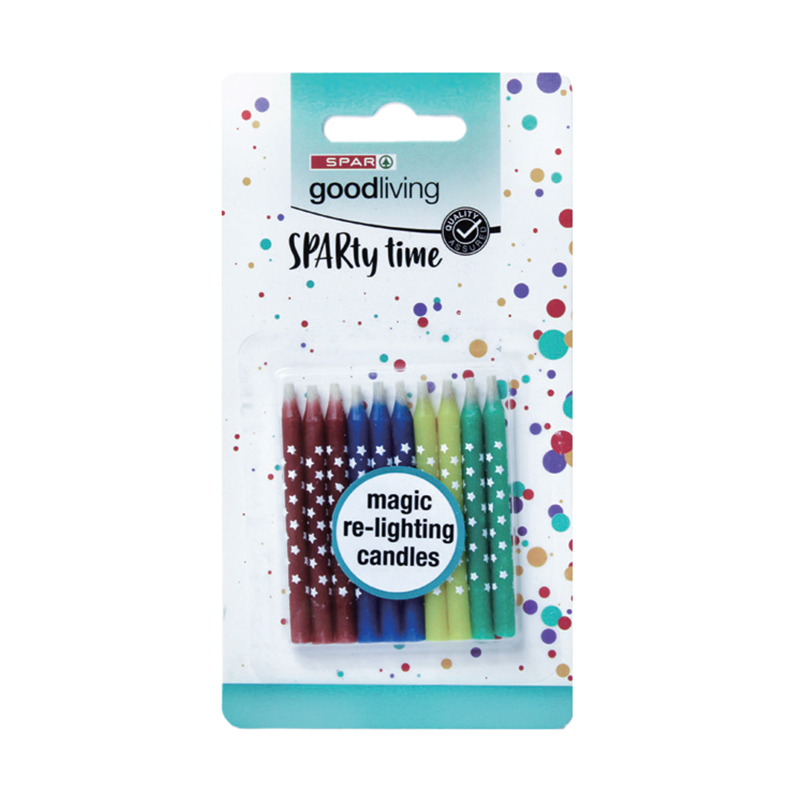
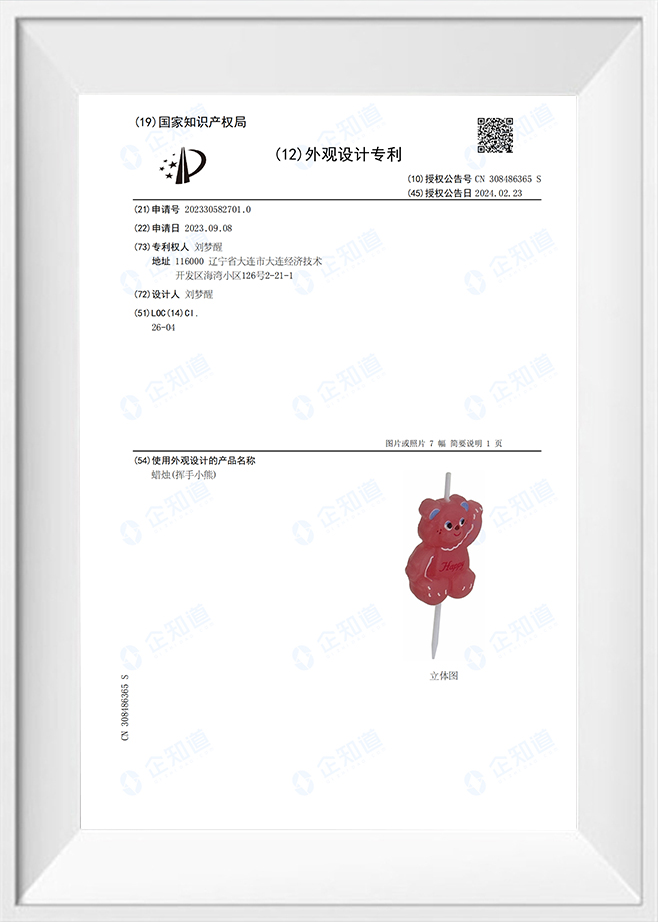
These candles are core products for festive occasions, featuring a compact, refined design and personalized expression. Number candles precisely replicate the outlines of the numbers 0-9, while birthday candles are often designed as thin columns or sculpted forms (such as cartoon characters) to suit cake size and decorative requirements. To ensure safety, low-melting-point paraffin wax (approximately 55°C) is typically used, and the wicks are flame-resistant, with a burn time limited to 5-10 minutes, meeting ceremonial requirements while avoiding the risks of prolonged burning. Gewo Wax Industry's automated production lines enable precise molding and mass production of number candles. UV printing technology is also used to create custom patterns on the surface, enhancing individuality. (II) Craft Candles: A Fusion of Aesthetics and Creativity
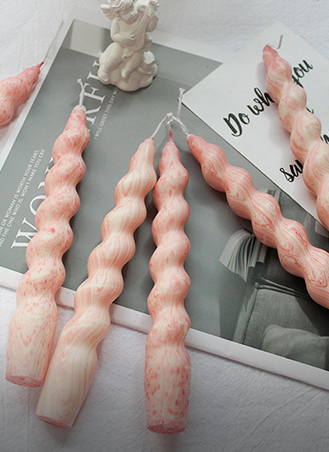
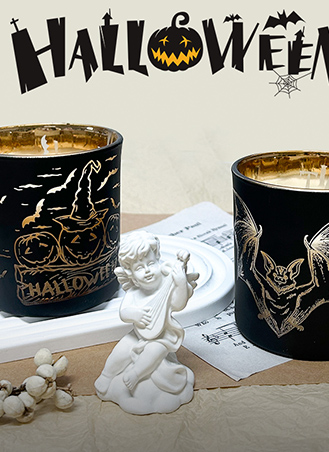
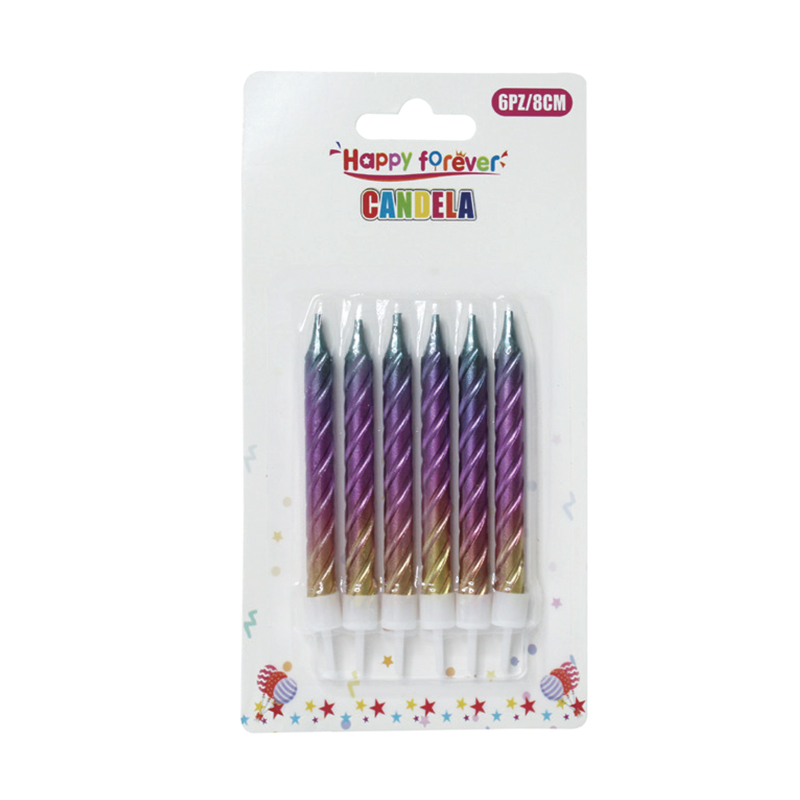
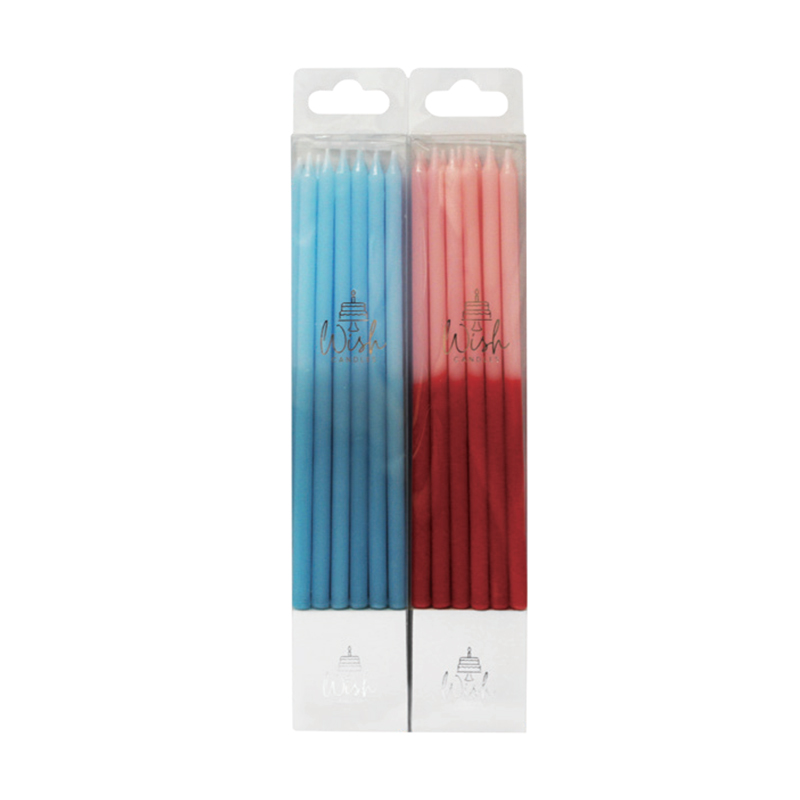
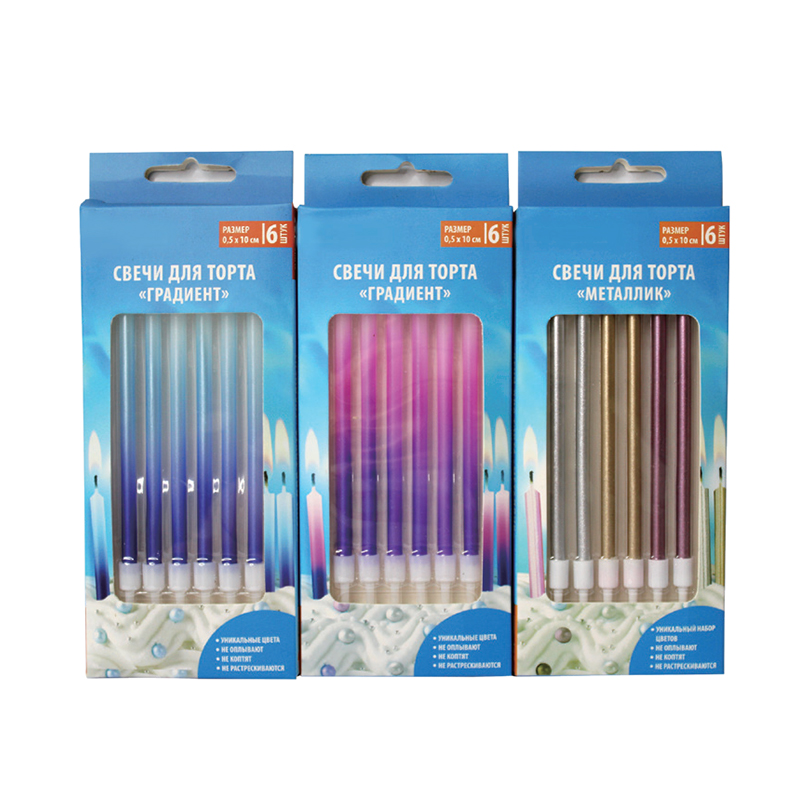
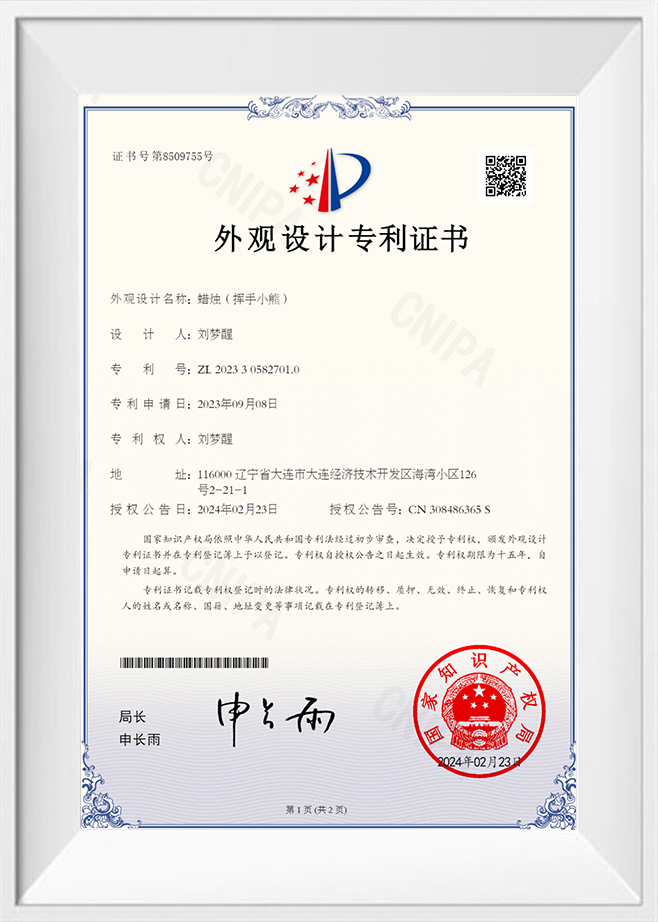
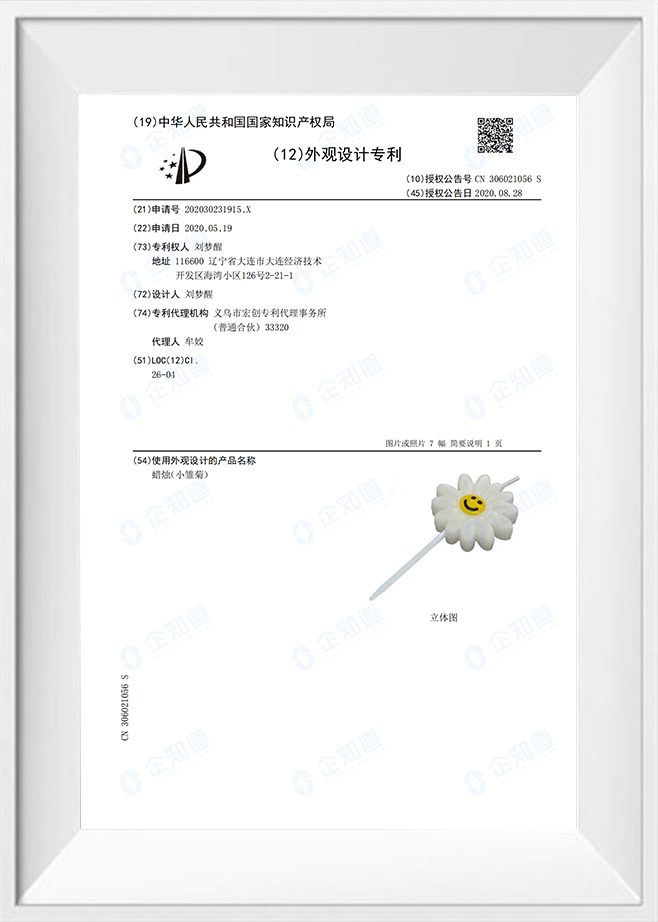
Craft candles, with decorative elements at their core, come in a variety of shapes, including cylindrical, spherical, petal, and spiral forms. Colors range from solid colors to gradients and contrasting colors. Their production relies on custom molds and meticulous craftsmanship. For example, tapered candles require specialized molds to achieve a smooth taper, while petal-shaped candles require precise control of the wax cooling rate to ensure distinct petal textures. Some high-end craft candles also utilize coarse wax, which emits a natural aroma when burned, perfect for creating an ambiance in bedrooms and bathrooms. Lavender scented candles aid sleep, ocean scents are refreshing, and rosin scents repel mosquitoes. Gewo Wax Industry's craft candle series leverages a fully automated spray coating line and patented exterior designs to achieve both aesthetic and fragrance enhancements, combining aesthetic appeal with functionality.
(III) Scented Cup Candles: Deepening the Exploration of the Olfactory Experience
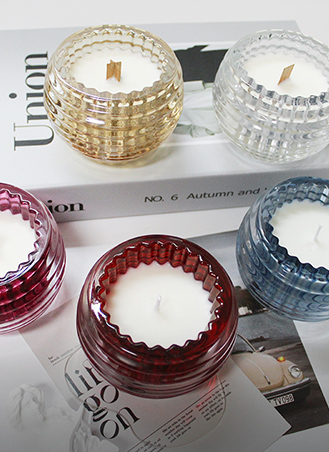
As one of the fastest-growing categories, scented cup candles' core value lies in their fragrance and ambiance. Their production process is more complex than that of ordinary candles. High-quality scented cup candles are often based on soy wax. Essential oils (such as lavender, lemon, and rose) are added in precise proportions during the melting process, and gently stirred to ensure even distribution of the fragrance. To ensure long-lasting fragrance, the wax temperature must be controlled during production (typically between 60-70°C) to prevent high temperatures from damaging the essential oils. Gewo Wax Industry's scented cup candle series, with its rigorous raw material ratios and process control, ensures a fresh, natural aroma upon burning. These candles can be used for various purposes, such as sleep-inducing, refreshing, and romantic, making them a popular choice for home decor and self-therapy.
III. Production Process: Quality Control from Wax to Finished Product
Candle production requires a combination of physical and chemical control and meticulous craftsmanship. From raw materials to finished product, multiple steps are required, each of which directly impacts product performance. Professional manufacturers often achieve quality breakthroughs through equipment upgrades and process optimization. (I) Core Production Process
Wax Melting: Place the selected wax material (e.g., paraffin wax and stearic acid mixed in appropriate proportions) into a melting furnace and control the temperature to 60-80°C to fully melt. Stir continuously to ensure uniformity. For scented candles, add essential oils at this stage and stir until fully incorporated.
Mold Preparation: Select a mold based on the product shape, apply a release agent (e.g., vegetable oil) to the interior, and secure a fire-resistant wick in place, ensuring it is centered.
Pouring and Cooling: Slowly pour the molten wax into the mold to avoid air bubbles. Circulating cold water accelerates cooling, allowing the wax to solidify quickly. Cooling time is typically controlled between 1 and 3 hours, depending on product size.
Post-Processing and Inspection: After demolding, cut the wick to the desired length, and perform surface finishing, printing, and other processes (e.g., Gewo Wax Industry uses a UV printer to achieve precise pattern printing). Finally, perform quality inspection, including indicators such as appearance integrity, dimensional deviation, and combustion performance. (II) Key Process Upgrades
Modern manufacturing equipment upgrades have significantly improved product quality consistency. Gewo Wax Industry's fully automated candle production line integrates wax pouring, cooling, and molding, eliminating errors caused by manual operation. A fully automatic blister ensures precise fit between packaging and product, reducing the risk of damage during transportation. For smokeless candle production, an appropriate amount of ammonium chloride is added during the wax melting stage to promote complete carbon combustion and eliminate black smoke production at the source.
IV. Performance and Safety: The Core Guarantee of Product Value
High-quality candles must meet both stable performance and safe use. These are key indicators of concern to consumers and brands, and professional companies typically establish a comprehensive supply chain management system.
(I) Core Performance Indicators
Combustion performance: This includes burning time and flame stability. Burning time is directly related to the type of wax and product size. For example, a paraffin candle with a diameter of 5cm and a height of 10cm will burn for approximately 10 hours, while a soy wax candle of the same size can burn 10%-15% longer. Flame stability requires no flickering or flaring during combustion, which relies on a precise match between the wick thickness and the wax's melting point.
Physical stability: High-quality candles should have a uniform texture, free of cracks and dents. They should remain solid at 20°C and transform into a colorless, transparent liquid upon heating, without any stratification.
Fragrance durability: For scented candles, the fragrance must be released evenly throughout the burning process and last for a long time. This is closely related to the wax's absorbency, the quality of the essential oil, and the proportion of essential oil added.
(II) Key safety control points
Raw material safety: Waxes and auxiliary materials containing hazardous substances such as heavy metals and formaldehyde are strictly prohibited. Raw materials that comply with the EU REACH standard or the Chinese standard GB 4943.1 are preferred. Burning Safety: Candle wicks must be made of pure cotton or fire-resistant materials to prevent sparks during combustion. Instructions for use must be labeled on the candle, including warnings to keep away from flammable materials and avoid leaving the candle unattended for extended periods.
Full-Process Inspection: From incoming raw materials (testing purity and melting point), to the production process (monitoring melting temperature and pouring speed), to finished products shipped (sampling and testing for combustion safety), a complete quality control chain is established. Gewo Wax Industry uses this comprehensive process control to ensure that every product meets international safety standards and meets the needs of global customers.
V. Customized Service: A Personalized Extension of Product Value
With the diversification of market demand, customized services have become a core competitive advantage for candle companies. Essentially, they transform customer needs into personalized products through flexible production and professional service.
(I) Core Dimensions of Customization
Professional customization services typically cover four main areas: size customization (ranging from miniature candles with a diameter of 3cm to large candles with a diameter of 10cm, suitable for different occasions); material customization (selecting paraffin wax, soy wax, or beeswax based on budget and needs); design customization (including shape, color, and surface patterns/text, such as engraving the couple's names on wedding candles or printing logos on corporate gifts); and functional customization (such as adding specific fragrances and adjusting the burning time).
(II) Foundations for Customization
The implementation of customization services relies on three key pillars: flexible production capabilities (such as Gewo Wax Industry's flexible production line, which allows for rapid switching of molds and raw material ratios); a professional design team (which accurately interprets customer needs and translates them into production plans); and an efficient response system (communicating throughout the entire process from consultation to delivery to ensure accurate implementation of needs). For example, for custom wedding candles, a company can design a heart-shaped candle based on the theme, using beeswax, infused with rose essential oil, and using UV printing to depict the couple's wedding photos, achieving a unified visual, olfactory, and emotional value.

We sincerely invite partners at home and abroad to work together to create new value for candlelight economy!



 English
 русский