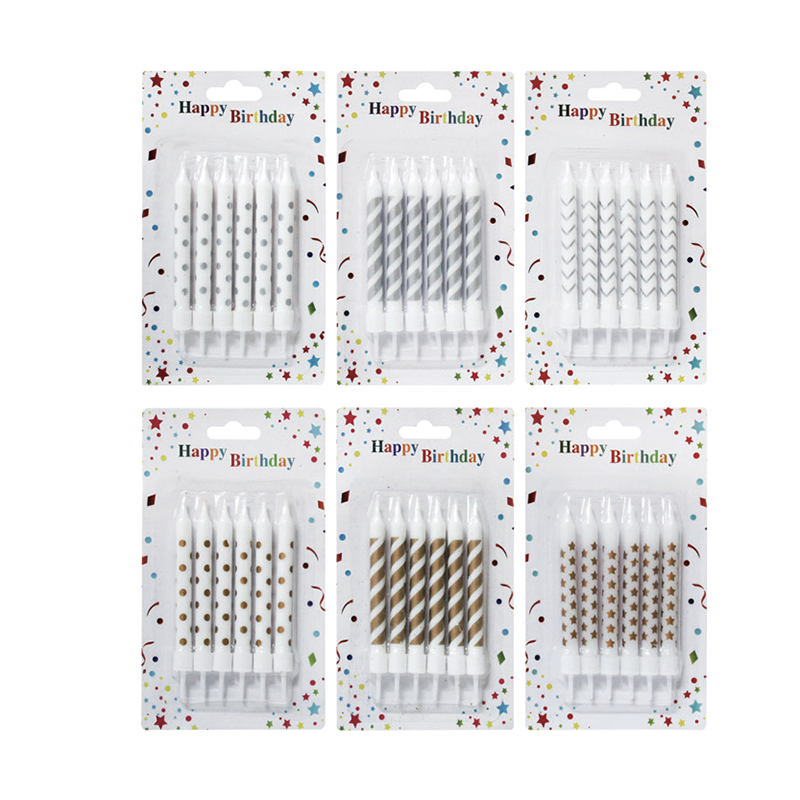
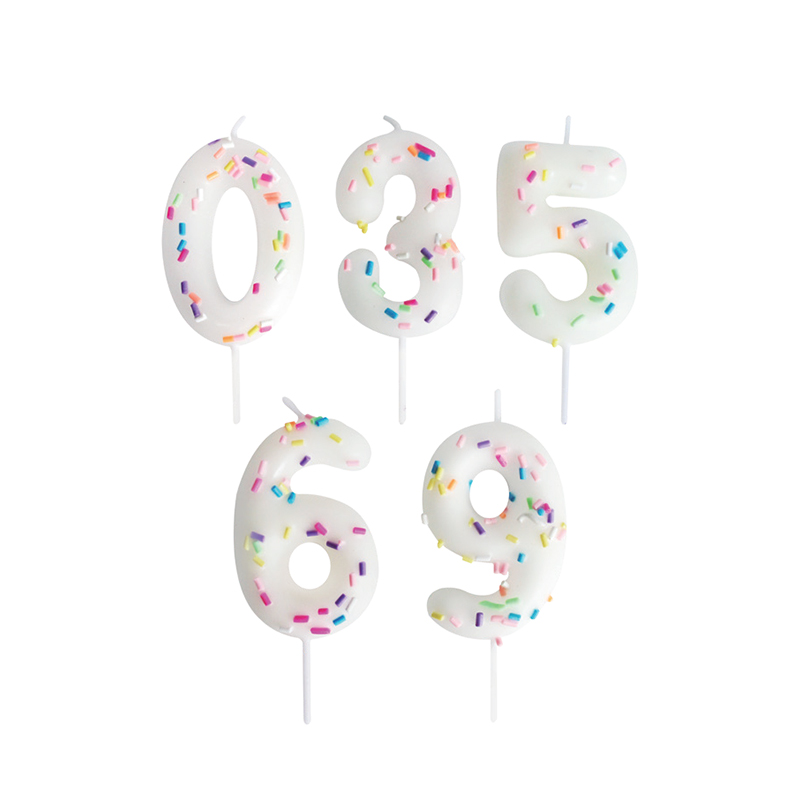
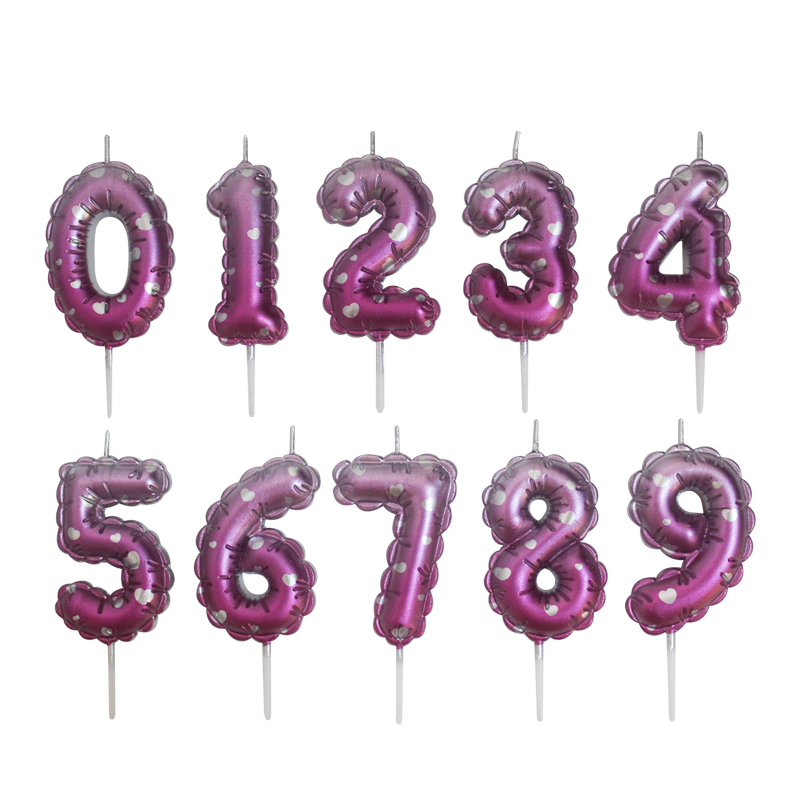
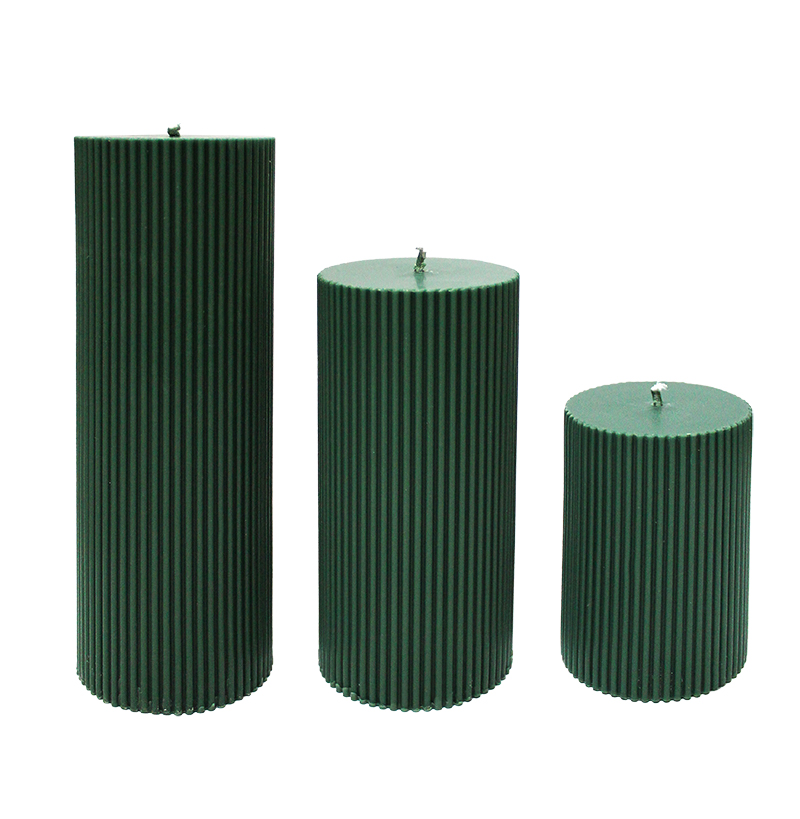
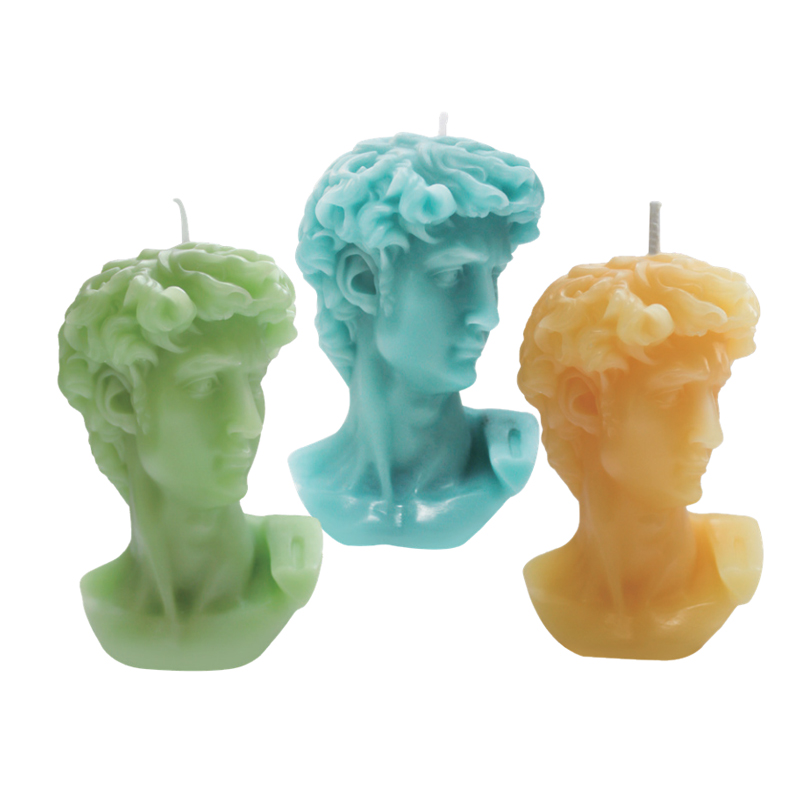
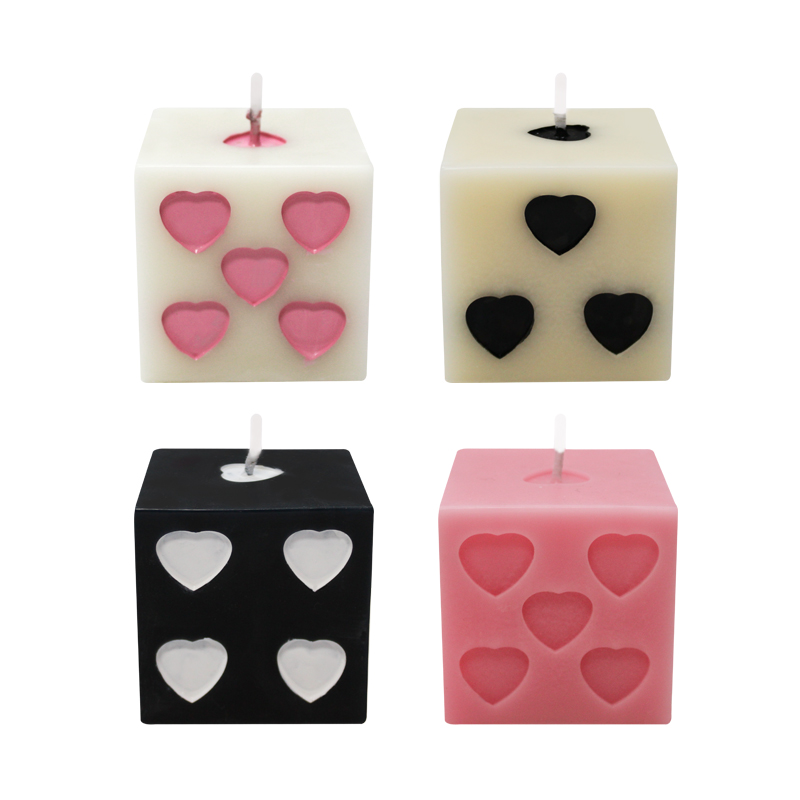
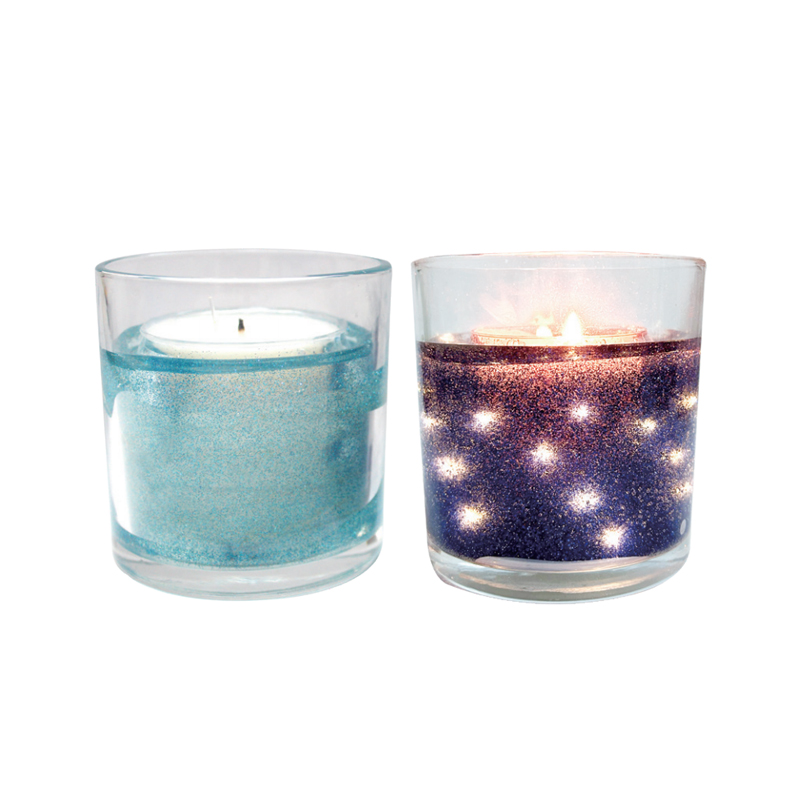
Choosing the right craft shaped candle comes down to three core decisions: the shape that fits the occasion or setting, the wax type that suits the intended use (decorative or functional), and the size that works for the space. A candle chosen for a child's birthday table has different requirements than one selected for a luxury home interior — and understanding these differences prevents spending money on a candle that looks great in a shop but disappoints in use.
Step 1: Choose the Shape Based on Occasion and Setting
The shape should match both the occasion and the aesthetic of the space it will occupy:
| Shape Category |
Best For |
Setting |
| Crown / number shapes |
Birthday celebrations, milestone events |
Party tables, cake displays |
| Floral / botanical |
Home decor, gifting, weddings |
Living rooms, bedrooms, bathroom shelves |
| Geometric / abstract |
Modern interiors, minimalist gifting |
Contemporary homes, desk and shelf displays |
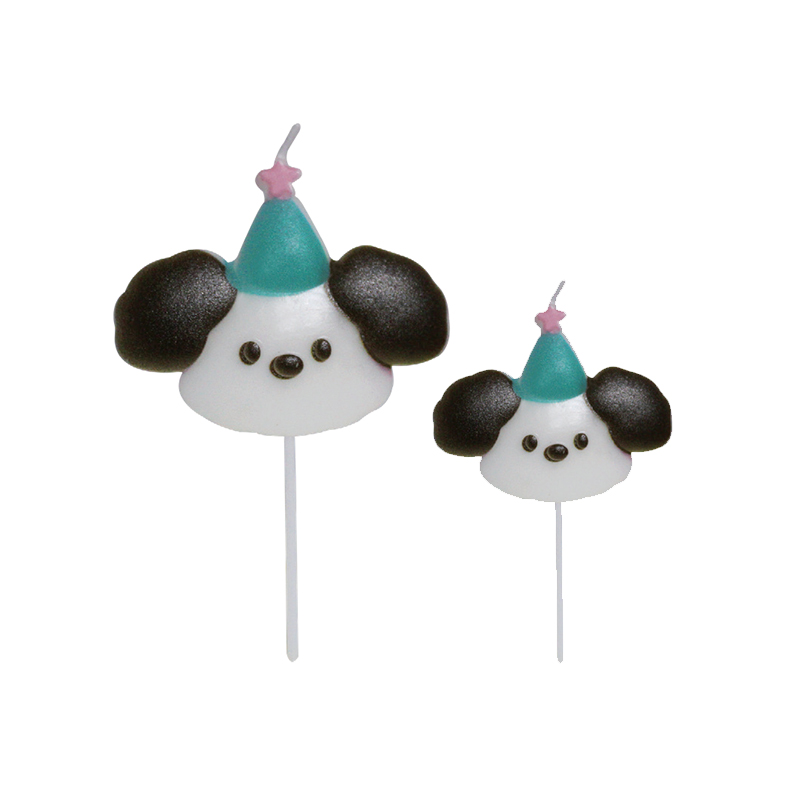
| Animal / character |
Children's events, novelty gifts |
Nurseries, party tables, children's rooms |
| Seasonal / holiday |
Seasonal home decor, holiday gifting |
Mantlepieces, dining tables, window displays |
| Novelty / food shapes |
Humor gifts, conversation pieces |
Anywhere a smile is the goal |
Candle shape categories and their recommended uses and settings
Step 2: Decide Whether the Candle Will Be Burned or Displayed
This is one of the most important questions to answer before choosing a craft shaped candle — because the answer determines whether wax type, wick size, and burn characteristics matter, or whether only appearance does.
If Primarily Decorative (Not Burned)
Many craft shaped candles — particularly intricate floral designs, animal figures, and sculptural forms — are purchased as decorative objects and never lit. In this case, the key selection criteria are surface detail quality, color accuracy, and shape integrity. Paraffin wax holds fine detail best and retains color vibrancy longest, making it the preferred wax type for purely decorative craft candles. Check that the candle's surface is smooth and free of air bubbles, flow lines, or surface blemishes — signs of quality mold work and careful production.
If Intended to Be Burned
When the candle will be burned, wax type and wick quality matter significantly:
- Check the wick position: The wick should be centered in the candle. An off-center wick causes uneven burning that pools wax to one side, causing the shape to deform unevenly and reducing burn time.
- Consider the shape vs. burn behavior: Very thin or delicate shaped sections — petals, antlers, animal ears — will melt and deform as the candle burns. If you want the shape to remain visually intact over extended use, choose a candle where the decorative detail is on the outer surface of a thicker central column, rather than the detail being a structural part of the candle itself.
- Soy or coconut wax for scented craft candles: If fragrance is important, soy and coconut wax blends carry scent better than paraffin and burn more cleanly. However, softer waxes hold fine detail less crisply — accept a slight compromise in surface detail for better burn performance.
Step 3: Choose the Right Size for the Space
Size proportionality is one of the most commonly overlooked aspects of buying craft candles. A candle that is too small disappears visually on a large table; one that is too large overwhelms a narrow shelf or small table setting.
- Birthday table centerpiece: A single statement candle or grouped arrangement of smaller ones — 10 to 20 cm height for a centerpiece candle provides visibility without blocking sightlines across the table.
- Shelf or mantelpiece display: Pair candles of different heights within the same shape family — typically one large (15–25 cm) and two smaller (8–12 cm) for a visually balanced grouping.
- Gift item: Compact candles in the 8 to 15 cm range are most practical as gifts — large enough to make an impression, small enough to pack and ship without damage risk.
Step 4: Assess Quality Before Buying
Craft shaped candles vary widely in quality across different producers and price points. Before purchasing, check:
- Mold seam visibility: High-quality candles have minimal visible seam lines where mold halves meet. Prominent seams indicate lower-grade mold work or insufficient finishing.
- Color consistency: The color should be even throughout the surface — patches, fading edges, or visible pigment streaks indicate inconsistent wax mixing or pigment quality.
- Surface integrity: No surface cracks, pitting, air holes, or frosting (a white crystalline film on soy candles) that suggest quality control issues during pouring or cooling.
- Wick quality: Cotton or wood wicks are preferred over synthetic materials. The wick should be straight, properly sized for the candle's diameter, and not excessively long.
- Scent strength (if fragranced): A well-made scented craft candle should have a perceptible cold throw (scent detectable at room temperature) as an indicator of adequate fragrance load — typically 6 to 10% fragrance oil by weight for good performance.





 English
 русский