Apr, 03, 2026
Content
Aromatherapy candles are products that combine the ambient warmth and visual appeal of traditional candles with the therapeutic benefits of aromatic fragrance — usually derived from essential oils, botanical extracts, or fragrance compounds blended into the wax. When burned, they release a controlled concentration of aromatic molecules into the air that interact with the olfactory system, producing measurable physiological and psychological effects including reduced stress hormone levels, improved sleep onset, mood elevation, and mental focus enhancement.
They are composed of four primary elements: a wax base, a fragrance component, a wick, and a container or mold — each of which significantly affects the candle's scent performance, burn quality, and safety.
The wax is the fuel source and fragrance carrier. Different wax types produce distinctly different scent throw (how far and strongly the fragrance disperses) and burn characteristics:
The aromatic element can be pure essential oils, fragrance oils (synthetic aromatic compounds), or a blend of both. Essential oils such as lavender, eucalyptus, bergamot, and sandalwood are preferred in true aromatherapy applications because they contain natural bioactive compounds. Fragrance oils provide more consistent, longer-lasting scent at lower cost but without the full botanical profile of essential oils. A typical aromatherapy candle contains 6–12% fragrance by weight of wax — the maximum loading before scent throw improvements plateau.
The wick controls the burn rate and flame size. Cotton wicks are standard in aromatherapy candles; wood wicks produce a soft crackling sound and a wider flame. Wick diameter must be precisely matched to the candle diameter — a wick too small produces a tunneling candle that wastes wax around the perimeter, while a wick too large causes excessive soot and fragrance burn-off that reduces scent longevity.
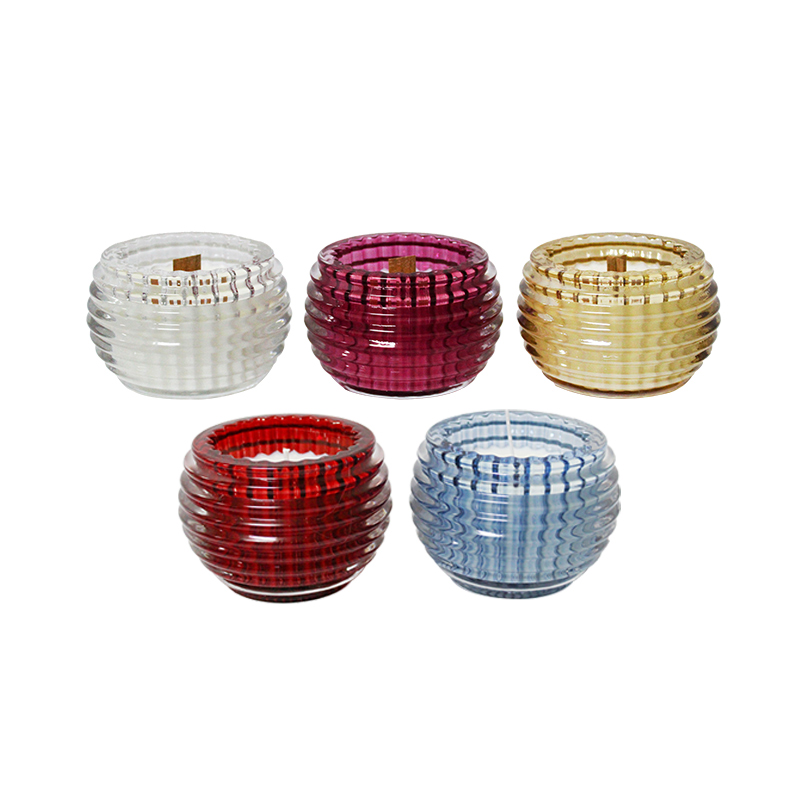
Most aromatherapy candles are sold in glass, ceramic, tin, or concrete containers. Glass and ceramic are favored for aromatherapy use because they are non-reactive, heat-tolerant, and visually attractive. The container also collects the liquid wax pool as the candle burns, affecting scent throw — a wider, shallower container provides a larger melt pool and stronger fragrance release at room temperature.
| Scent / Essential Oil | Primary Therapeutic Effect | Best Used For |
|---|---|---|
| Lavender | Reduces anxiety, promotes sleep onset | Bedroom, bedtime routine |
| Eucalyptus | Clears airways, improves mental clarity | Home office, study spaces |
| Bergamot | Mood elevation, stress reduction | Living room, social spaces |
| Sandalwood | Grounding, meditation support | Meditation, yoga practice |
| Peppermint | Energizing, improves concentration | Daytime work environment |
| Rose / Jasmine | Romantic ambiance, emotional warmth | Dining, celebrations, gifting |
Aromatherapy candles serve both functional and aesthetic purposes across a wide range of settings:

We sincerely invite partners at home and abroad to work together to create new value for candlelight economy!



 English
 русский