Oct, 13, 2025
Content
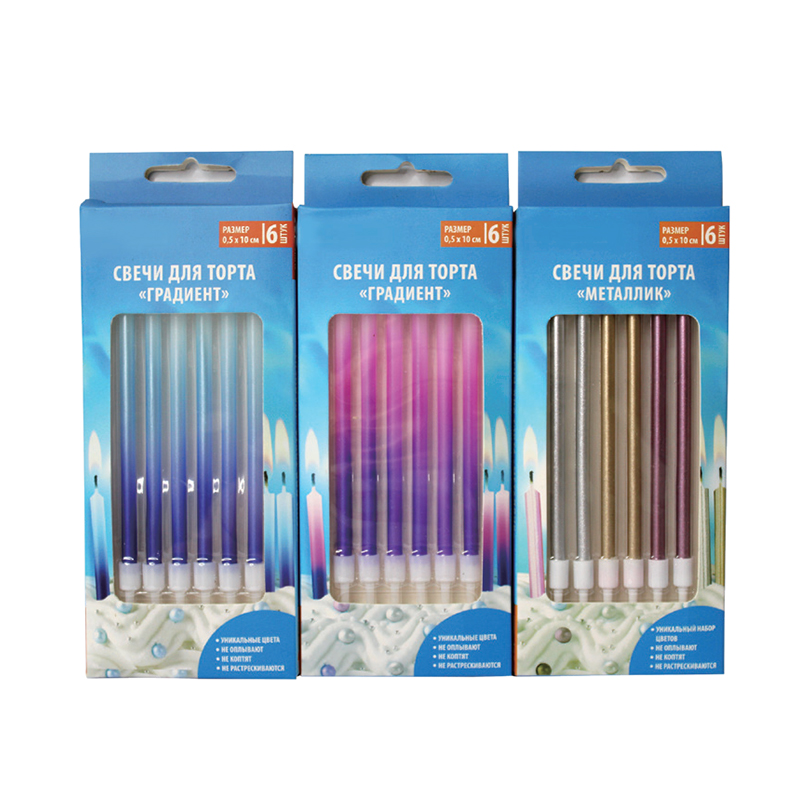
Small Family Gatherings (3-5 People): For round cakes, the "central focus method" is recommended – place one main candle (e.g., a number candle) in the center of the cake, and evenly arrange 4-6 small candles of the same color (1-2 cm in diameter) around it. Maintain a height difference of 2-3 cm between the candles to avoid obscuring the main one. Pair with silver or gold candle holders to enhance elegance and prevent wax from dripping directly onto the cake.
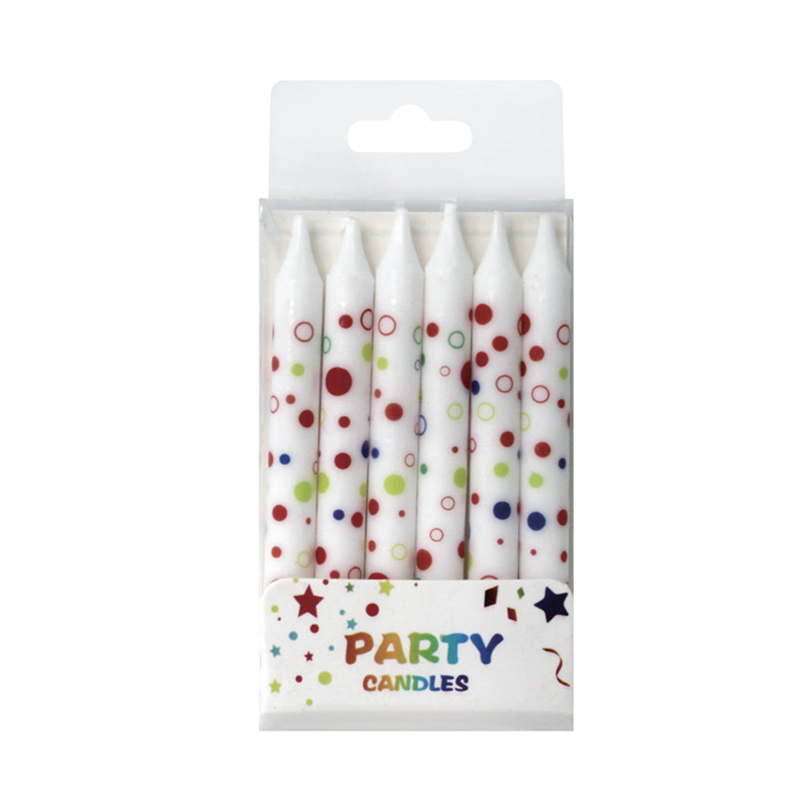
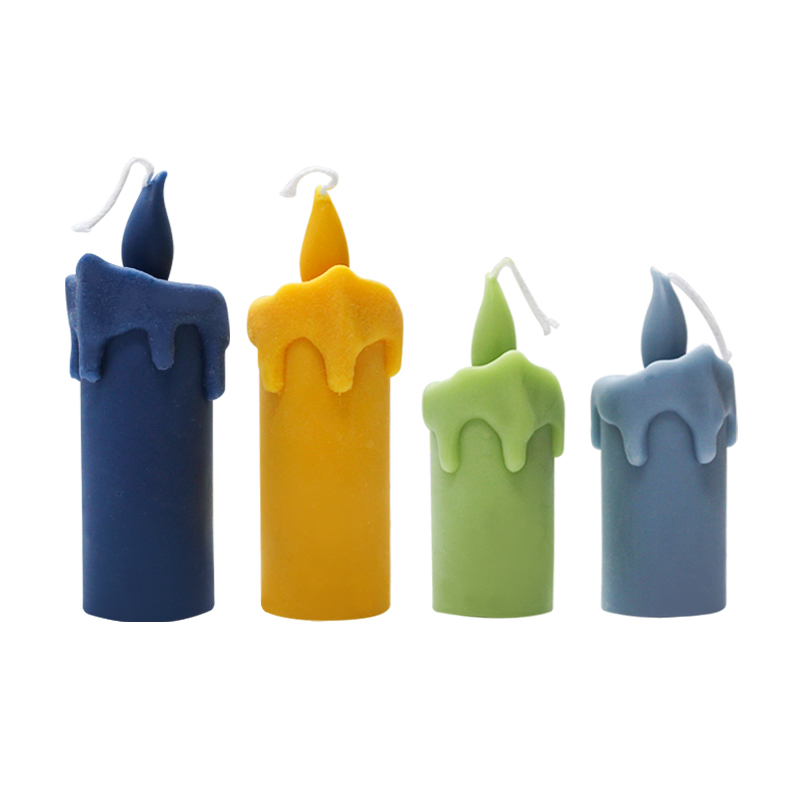
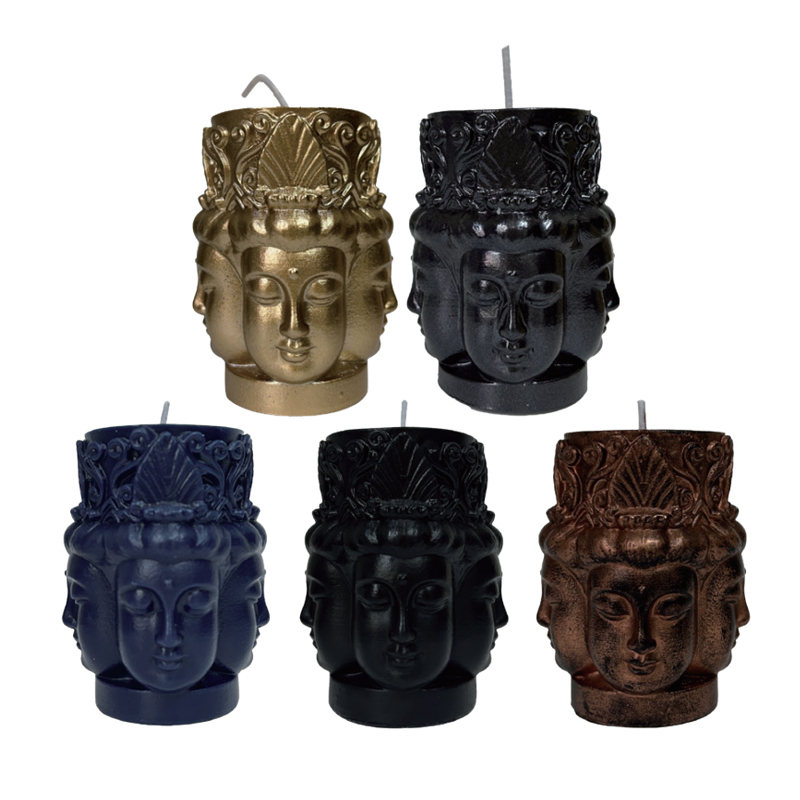
Children’s Parties (6-12 Years Old): For shaped cakes (e.g., cartoon characters), use the "edge symmetry method" – insert decorative candles (e.g., star, moon, or animal-shaped) at key points of the cake’s design (e.g., the character’s ears or hands). Limit the number to 5-8 and choose bright macaron colors. Pair with non-burning LED flickering candles placed around the cake on the floor to create a "starry surround" effect and prevent children from touching hot candles.
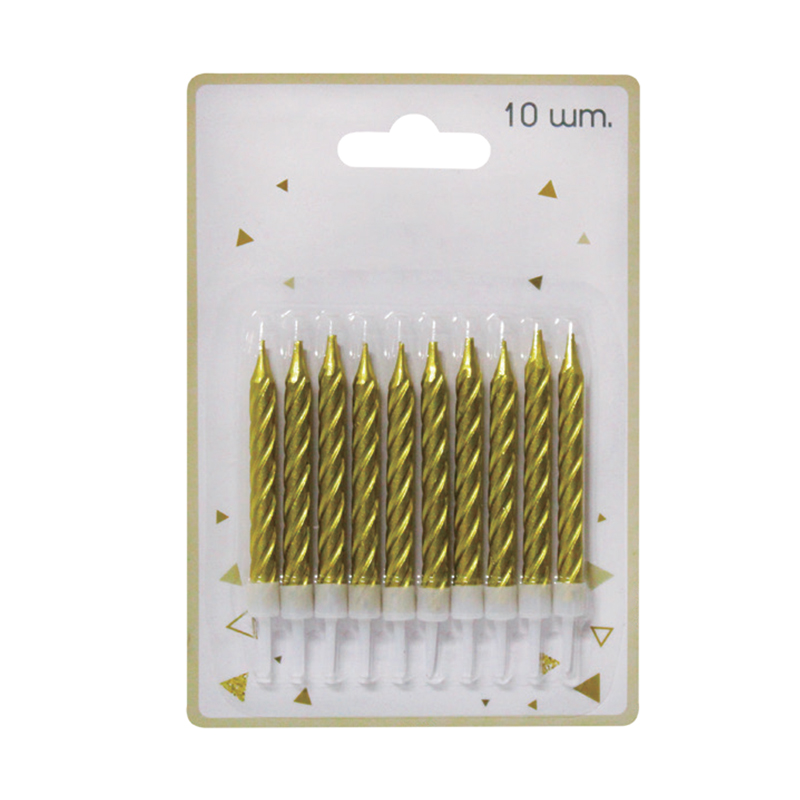
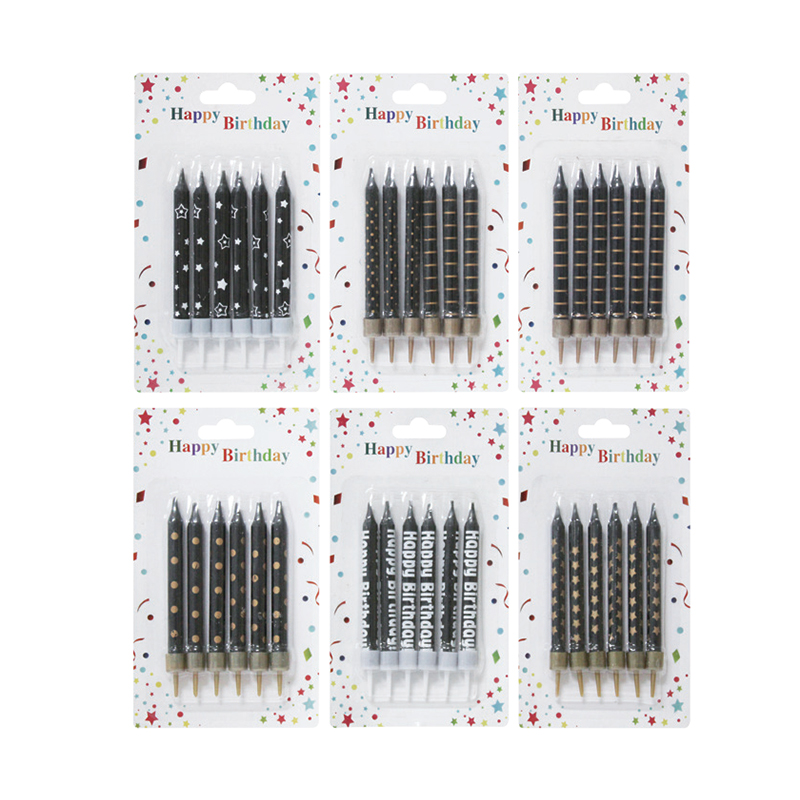
Adult Themed Parties (e.g., Vintage, Minimalist): For square or multi-tiered cakes, the "symmetrical aesthetic method" works best – insert 2 slender candles (12-15 cm tall) diagonally on each tier of a multi-tiered cake, using colors that create a low-saturation contrast with the cake’s cream (e.g., light gray candles for an off-white cake). For a vintage look, pair with brass candle holders; for a minimalist style, use clear glass holders. Place a velvet cloth of the same color under the holders to reduce table scratches and enhance texture.
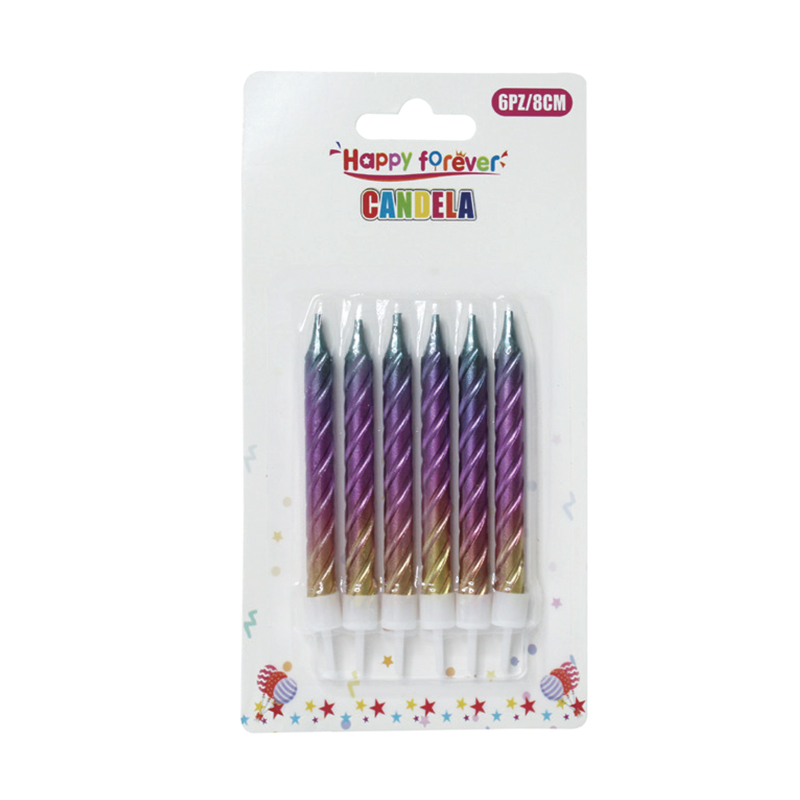
Color Matching Principles: Choose colors based on color psychology – warm tones (orange, yellow, pink) for a cozy vibe, cool tones (blue, green, white) for a calm atmosphere, and neutral colors (black, white, gray, gold, silver) for a premium feel. Avoid mixing more than 3 high-saturation colors to prevent visual clutter (e.g., pair red candles only with gold or white, not green or purple).
"Candle Wish Blind Box" (Suitable for All Ages): Prepare small candles (each with its own holder) equal to the number of guests. Attach a wish note (e.g., "Achieve a small goal this year" or "Embrace more joy") to each candle base. Guests draw candles randomly, read their notes aloud after lighting, and make wishes together. This boosts interaction while reducing hygiene risks from shared candles.
"Candle Light Show" (Suitable for Nighttime Outdoor Parties): Place a laser-cut stencil (with patterns like stars or hearts) behind the candles. When lit, the light projects patterns onto walls or the ground, which slowly change as the candle burns. Play soft music before wish-making to create a romantic atmosphere. Use heat-resistant acrylic stencils to avoid warping from heat.
"Parent-Child Candle DIY" (Suitable for Kids Aged 3-8): Use edible beeswax (low melting point, non-toxic) and small silicone molds (e.g., cartoon shapes). Parents and kids work together to make wickless decorative candles, which are then placed around the cake. Adult-supervised real candles are used separately to satisfy kids’ creativity while eliminating safety risks.
To help quickly distinguish between candle materials, the table below summarizes the core characteristics, suitable scenarios, and key pitfalls of common candle materials:
| Candle Type | Core Ingredients | Melting Point Range | Burning Characteristics (Flame/Smoke) | Burning Time (per 10g of Wax) | Suitable Scenarios | Key Pitfalls to Avoid |
| Paraffin Candles | Petroleum by-products (alkanes) | 50-55℃ | Tall flame (3-4cm), moderate smoke | 2-3 hours | Short parties, temporary decor, budget-friendly use | Avoid "no-brand" products; choose "food-grade paraffin" to prevent heavy metal contamination |
| Soy Wax Candles | Hydrogenated soybean oil (plant-based) | 45-50℃ | Stable flame (2-3cm), almost no smoke | 3-4 hours | Daily home use, enclosed spaces, families with infants/sensitive individuals | Choose "100% pure soy wax"; avoid paraffin-blended options and excessive fragrance |
| Beeswax Candles | Natural wax secreted by bees | 62-67℃ | Bright flame (2.5-3.5cm), no smoke | 4-5 hours | Enclosed spaces, nighttime relaxation, gifting | Low-cost "fake beeswax" has a pungent scent; real beeswax emits a subtle honey aroma when burned |
| Palm Wax Candles | Palm fruit extract (plant-based) | 57-60℃ | Stable flame (2.5-3cm), minimal smoke | 3.5-4.5 hours | Hot summer months, outdoor parties, long-term decor | Choose RSPO-certified palm wax to avoid rainforest destruction |
| Gel Wax Candles | Polyolefin resin + mineral oil | 70-80℃ | Extremely high flame temperature, no visible smoke | 2.5-3 hours | Decorative Ornaments only (never lit) | Never light; use heat-resistant glass containers to prevent cracking from high temperatures |
Paraffin Candles:
Additional Features: Highly moldable, ideal for complex shapes like numbers, cartoons, or multi-layered cutouts. Can hold strong fragrances (e.g., fruit or floral scents) and is perfect for decorative purposes. However, it becomes brittle in low temperatures and softens in high temperatures, requiring careful storage.
Scenario Example: For a student’s birthday party or impromptu gathering, combine paraffin number candles with shaped candles. They are cost-effective and meet decorative needs, but ensure good ventilation to reduce smoke inhalation.
Soy Wax Candles:
Additional Features: Low wax temperature (around 40-45℃ when burning) – accidental contact with skin causes only mild discomfort, making it safer than other waxes. Pure soy wax is soft and prone to surface dents, so blended options (5%-10% palm wax added) balance safety and hardness.
Scenario Example: For a family with a 2-year-old, use fragrance-free pure soy wax candles in silicone holders. Even if the child accidentally touches the holder, the low wax temperature prevents severe burns.
Beeswax Candles:
Additional Features: Releases small amounts of negative ions when burned, slightly purifying the air – ideal for bedrooms or nurseries. Natural beeswax ranges from pale yellow to deep yellow; darker shades indicate higher purity (more pollen and honey content) and a richer aroma.
Scenario Example: For someone with insomnia, place a small beeswax candle in the bedroom. The subtle honey scent and soft flame promote relaxation, but limit burning to 1 hour to avoid oxygen depletion.
Palm Wax Candles:
Additional Features: Natural crystalline patterns eliminate the need for extra decoration, making them ideal as birthday gifts. Heat-resistant – they won’t soften even on a sunny balcony (35℃) in summer, suitable for high-temperature regions.
Scenario Example: For an outdoor summer birthday party in southern China, use windproof container candles made of palm wax. They maintain their shape even in afternoon heat and burn without wax splatter, balancing aesthetics and safety.
Gel Wax Candles:
Additional Features: High transparency allows embedding decorations like dried flowers, seashells, or small toys, creating a unique visual effect. However, their high burning temperature (container surfaces can exceed 100℃) poses a burn risk.
Scenario Example: As a decorative centerpiece in a birthday-themed restaurant, place gel wax candles with embedded dried flowers in table corners. Never light them – they enhance the atmosphere without safety hazards.
For Allergy Sufferers: Prioritize "100% pure beeswax > fragrance-free soy wax > food-grade paraffin (dye-free)". Avoid candles with artificial fragrances or synthetic dyes. Test by burning in a ventilated area for 10 minutes to check for reactions like skin itching or sneezing.
For Extended Burning (3+ Hours): Prioritize "beeswax > palm wax > soy wax". Beeswax’s high melting point ensures longer burn times and prevents wax buildup.
For Decorative Complexity: Prioritize "paraffin > soy wax (with small amounts of paraffin) > palm wax". Paraffin’s moldability makes it ideal for intricate shapes like multi-layered or hollow designs, while pure soy wax is too soft for complex forms (only suitable for simple shapes like circles or squares).
Material Selection: Prioritize soy wax and beeswax – their lower hygroscopicity prevents wick mold from moisture. Avoid gel wax, which absorbs moisture in spring and crackles when burned.
Storage Tips: Place candles in sealed PP plastic boxes with 2-3 silica gel desiccant packs (1 pack per 10 candles), replacing desiccants weekly. Wrap shaped candles in soft paper before storing to prevent pattern sticking. Store away from kitchens and bathrooms (highest humidity areas) – upper Wardrobe shelves in living rooms (dry and dark) work best.
Usage Notes: Spring winds are common – place candles at least 1 meter from windows or use glass-enclosed holders (glass height 5cm above the flame). For scented candles, choose light herbal scents (e.g., mint, lavender) over strong floral scents (e.g., rose, lily) to reduce discomfort for pollen allergy sufferers. Ventilate for 5 minutes every hour while burning to balance humidity and air quality.
Material Selection: Prioritize palm wax and high-melting-point paraffin (55-60℃) – they resist softening in high temperatures. Avoid pure soy wax, which "sweats" (melts and oozes) above 30℃, ruining appearance and burn quality.
Storage Tips: For short-term storage (1-2 weeks), refrigerate (5-10℃) and let stand for 15 minutes before lighting to prevent cracking from temperature shock. For long-term storage (1+ months), store in cool, ventilated areas (e.g., basements, air-conditioned Wardrobe) at ≤20℃, away from direct sunlight (UV fades candles; heat accelerates softening). Store container candles upright to prevent leaking from softening wax.
Usage Notes: Limit single burn time to 2 hours – high summer temperatures speed up wax consumption, and prolonged burning overheats containers (glass surfaces can exceed 60℃, causing burns). Keep candles away from air conditioners, fans, or open windows – drafts cause flame flicker and wax splatter. For outdoor use, pair with windproof holders to prevent extinguishing. If candles soften, refrigerate for 10 minutes to restore hardness.
Material Selection: Prioritize soy wax (with small amounts of essential oil) and beeswax – soy wax slightly increases air humidity when burned, relieving autumn dryness. Avoid gel wax – its high burning temperature poses greater fire risks in dry environments (e.g., dry curtains or carpets).
Storage Tips: Autumn’s low humidity simplifies storage, but candles still need dark conditions. Store pillar candles horizontally or upright to prevent brittleness and breakage during handling. For small cracks (caused by dryness), apply melted wax shavings of the same material, heat gently with a hairdryer, and smooth to repair.
Usage Notes: Increase the safety distance from flammables to 50cm (up from 30cm) – dry autumn fabrics (clothing, bedding, curtains) ignite faster. Always use candle holders for pillar candles, with fire-resistant mats (e.g., silicone or metal trays) underneath to prevent wax from igniting tables if candles tip. Supervise children and pets closely – flames spread 2-3x faster in dry air.
Material Selection: Prioritize LED candles or beeswax candles with wind shields – LED candles are flame-free and safe; wind shields protect against winter drafts. Avoid unprotected real candles outdoors – cold winds extinguish flames, and low temperatures slow wax melting, reducing flame size (insufficient fuel supply).
Storage Tips: Keep candles at least 1 meter from radiators or heating pipes – heat softens wax. For rooms with central heating (>20℃), refrigerate temporarily to prevent softening. Wipe condensation (from heating) off candle surfaces before lighting to avoid damp wicks.
Usage Notes: Ventilate for 5 minutes every hour in enclosed spaces – winter’s closed windows reduce oxygen and trap carbon dioxide from burning, causing dizziness or fatigue. Keep candles away from heaters (e.g., electric radiators, air conditioners, fireplaces) – heat accelerates burning or causes wax leakage. For rooms <10℃, warm candles near heaters for 30 minutes before lighting to soften wax and ensure proper burning.
Trimming Length & Tool Selection: Trim wicks to 0.5-1cm before each use – overlong wicks cause tall flames (>5cm), excessive smoke (carbon particles), and wick carbonization (blackened tips). Use specialized wick trimmers (curved blades for precise cuts, preventing fraying); if unavailable, use sharp scissors (e.g., craft scissors) and cut perpendicular to the wick for a flat edge. Never pull wicks by hand – this loosens them, causing tilting during burning.
Science & Practice of "Wax Pool Formation" for New Candles: The goal of the first burn ("wax pooling") is to melt wax evenly to the container edge, preventing "tunneling" (wax melts in the center but remains solid at the edges, wasting wax). Burn times vary by size:
Small candles (<5cm tall, <3cm diameter): 20-30 minutes (melt wax to within 1cm of the edge).
Medium candles (5-10cm tall, 3-5cm diameter): 30-45 minutes (melt wax to fully cover the container bottom).
Large candles (>10cm tall, >5cm diameter): 60-90 minutes (melt wax to 2-3cm depth).
Note: Never extinguish mid-burn – solidified edge wax will tunnel in future burns. If interrupted, extend the next burn time to melt unburned wax.
Height Compatibility Formula: Candle height = cake height + 3-5cm. This ensures candles stand above the cake for easy lighting and wish-making, while avoiding overly tall flames (reducing ambiance) or short flames (hidden by the cake, hard to light). Example: For a 5cm-tall mousse cake, choose 8-10cm candles; for a 12cm-tall multi-tiered cake, choose 15-17cm candles.
Fixing Techniques for Soft Cakes: Mousse, cheesecake, and tiramisu are too soft for direct candle insertion – use "candle holders":
Silicone Holders: Choose 2-3cm diameter round silicone holders with holes for candles. Press gently 1-2cm into the cake (avoid damaging the interior) before inserting candles. Silicone is heat-resistant, food-safe, and easy to clean.
Stainless Steel Tray Holders: For candles >3cm diameter, use food-grade stainless steel trays with anti-slip bases. Place trays on the cake surface and insert candles into the holes – trays catch dripping wax, preventing contamination. Clean trays with boiling water before use.
Hygiene Protection for Cakes: Wipe candle bottoms with alcohol wipes before insertion to remove dust. Remove paper labels (e.g., brand logos) to prevent burning debris from contaminating the cake. After extinguishing, use sanitized tweezers to remove candles immediately – this stops hot wax from dripping onto the cake.
"Four Avoidances" for Placement:
Avoid flammables: Keep at least 30cm (50cm in autumn) from curtains, paper, clothing, sofas, or carpets.
Avoid unstable surfaces: Never place on wobbly folding tables, slanted windowsills, or cluttered desks. Opt for stable dining tables or coffee tables—if the surface is uneven, place a non-slip silicone mat under the candle base to enhance stability and prevent tipping.
Avoid children/pets’ activity zones: Position candles at heights over 1.2 meters (out of children’s reach) or on shelves with no climbing paths for pets (e.g., wall-mounted bookcases without adjacent chairs). For children’s parties, use a child-safe playpen to isolate the candle area, with an adult supervisor at all times.
Avoid electrical equipment: Keep candles at least 50cm away from power outlets, table lamps, air conditioner vents, and heaters. This prevents wax drips from causing short circuits and avoids accelerated burning due to heat from appliances.
Essential Auxiliary Tools & Usage Guidelines:
| Tool Name | Material/Type | Core Function | Suitable Scenarios | Usage Precautions |
| Long-Handled Lighter | Metal/plastic (20–30cm length) | Keeps hands away from flames to prevent burns | Lighting all real candles, especially deep-container types | Store away from children; close the gas valve tightly after use; avoid exposing to high temperatures |
| Candle Snuffer | Glass/metal (with heat-resistant handle) | Extinguishes flames via oxygen deprivation; no smoke or wax splatter | Container candles, cake candles | Glass snuffers: Avoid sudden temperature changes (e.g., placing hot snuffers on cold surfaces). Metal snuffers: Be cautious of residual heat after use |
| Wick Trimmer | Stainless steel (curved blades) | Precisely trims wicks to prevent smoke; readies wicks for reuse | Pillar candles, reusable container candles | Clean blades with a dry cloth after each use to remove wax residue; avoid using on gel wax candles |
| Fire Blanket | Fiberglass (30×30cm standard size) | Smothers small fires by blocking air; non-toxic and heat-resistant | Home use, party venues with real candles | Store in a visible, easy-to-reach location near candles; Learn to unfold quickly (pull corners with both hands) |
| Heat-Resistant Gloves | Silicone/cotton-linen (heat rating ≥200℃) | Protects hands from burns when handling hot candles/containers | Removing burned candles, cleaning wax stains, repairing deformed candles | Choose a snug fit to avoid hindering dexterity; Wash silicone gloves with mild soap after use |
| Candle Stabilizer Bases | Silicone/food-grade stainless steel | Secures candles to prevent tipping; catches dripped wax to protect cakes | Soft cakes (mousse, cheesecake), small shaped candles | Silicone bases: Clean with warm water before contact with food. Metal bases: Avoid scratching cake surfaces |
Candle Snuffer Method (Rating:five stars ):
Extinguishing Principle: Creates an airtight seal around the flame, depleting oxygen to put it out. This method preserves the candle’s shape and produces no smoke or wax splatter.
Step-by-Step Operation: Select a snuffer with a height 5cm above the flame and a diameter 1–2cm larger than the candle. Gently lower it over the flame, leaving a 1mm gap to release pressure (prevents suction that sticks the snuffer to the candle). Wait 3–5 seconds for the flame to die out, then let the snuffer cool for 10 seconds before removing it.
Ideal Scenarios: Elegant adult parties (e.g., birthday dinners), cake candles, and decorative container candles. Especially useful for preserving expensive beeswax or palm wax candles.
Wick Trimming Method (Rating: four stars):
Extinguishing Principle: Cuts the burning wick (leaving 0.5cm) to remove the fuel source, extinguishing the flame instantly while preparing the wick for next use.
Step-by-Step Operation: Wear heat-resistant gloves to protect hands from hot wax. Position the wick trimmer at the base of the burning wick (close to the wax surface) and snip quickly. If small embers remain, blow gently at the base (not the top) of the embers to avoid wax splatter.
Ideal Scenarios: Reusable pillar candles, large container candles, and daily home-use candles. Not suitable for small cake candles (wick is too short to trim safely).
Blowing Method (Rating: three stars):
Extinguishing Principle: Uses a gentle stream of air to lower the flame’s temperature below the wax’s ignition point and disperse flammable gases.
Step-by-Step Operation: Stand 30cm away from the candle, purse lips to create a focused airflow, and blow gently at the flame’s base (not the top). For multiple cake candles, blow in sections (start with outer candles, then inner ones) to minimize wax splatter.
Ideal Scenarios: Single small candles (e.g., tea lights), candles not near food, and casual home gatherings. Avoid using for gel wax candles or candles with tall flames (>5cm).
Home Daily Use: Assemble a "basic safety kit" containing 1 glass candle snuffer, 1 wick trimmer, and 1 pair of silicone heat-resistant gloves. Store them in the same container as your candles for easy access.
Children’s Parties: Prepare 10–15 disposable paper candle snuffers (cost-effective and lightweight) for adult use only. After extinguishing, use sanitized tweezers to remove candles immediately to prevent children from touching hot wax.
Outdoor Parties: Equip with windproof metal snuffers (with a protective shield to block drafts) and a small fire blanket. If winds exceed 30km/h, move candles indoors before extinguishing to avoid embers spreading.
Infants (0–3 Years Old: Zero Open Flame):
Candle Choice: Use LED simulation candles exclusively (look for products with ASTM F963 safety certification to avoid small parts that pose choking hazards). Opt for suction-cup LED candles to attach to tables or cake stands, preventing grabbing.
Environment Prep: Remove all flammable items (plastic toys, paper decorations) from the party area. Lay a non-slip mat on the floor to prevent falls near the candle display. Assign one adult to supervise the infant at all times.
Alternative Ritual: Replace "blowing out candles" with a "bubble wish"—blow colorful bubbles over the cake for the infant to pop, creating a safe, interactive moment.
Preschoolers (4–6 Years Old: Adult-Led Supervision):
Candle Choice: Use pillar candles (≥3cm diameter to prevent choking) in weighted metal holders placed on tables ≥1.2 meters high. Limit the number of candles to 3–5 to reduce risk.
Safety Education: 10 minutes before the party, use a simple demonstration (e.g., lighting a tissue, then smothering it with a cup) to teach children that "flames burn and hurt." Prohibit children from touching lighters or snuffers.
Emergency Prep: Place a small bowl of water and a fire blanket near the candle area. Designate one adult to manage candle lighting/extinguishing and another to supervise children’s movements.
School-Aged Children (7–12 Years Old: Guided Participation):
Candle Choice: Use soy wax candles (low burning temperature) in silicone holders. Allow children to choose candle shapes (e.g., animal designs) to increase engagement, but retain control of ignition tools.
Guided Involvement: Let children assist with placing candles (mark safe positions with stickers) or passing snuffers to adults. Assign a "safety monitor" (a responsible 10+ year-old) to remind peers to stay 50cm away from candles.
Post-Party Learning: After the party, involve children in cleaning extinguished candles (with gloves) to reinforce safe handling habits.
Dogs (Prevent Clawing & Knocking Over):
Small Breeds (e.g., Poodles, Shih Tzus): Place candles on high shelves (≥1.5 meters) or in closed cabinets with glass doors. Use baby gates to block access to the candle area. Avoid scented candles with meaty or sweet fragrances (e.g., vanilla, bacon) that may attract dogs.
Large Breeds (e.g., Golden Retrievers, German Shepherds): Use heavy-duty metal candle holders (weight ≥1kg) to prevent tipping. Keep candles at least 2 meters away from dog beds and food bowls. If your dog shows interest in the flame (e.g., sniffing, pawing), extinguish the candle immediately.
Cats (Prevent Jumping & Pawing):
Placement Strategy: Use wall-mounted candle sconces (no nearby furniture for climbing) or enclosed glass candle jars. Avoid windowsills—cats often jump there to sunbathe, risking contact with flames.
Deterrent Tactics: Place citrus-scented items (lemon peels, orange essential oil cotton balls) near candles—cats dislike citrus aromas. Never use water to spray cats near candles (may cause them to panic and knock over the candle).
Visually Impaired Individuals:
Candle Features: Use voice-activated LED candles (announce "lit" or "extinguished" aloud) or candles with tactile markers (raised dots on the base: 1 dot = lit, 2 dots = unlit).
Tools & Setup: Provide long-handled lighters with textured grips (easy to hold) and metal snuffers with audible clicks (confirms proper placement). Mark the candle area with glow-in-the-dark tape for low-light visibility.
Mobility-Impaired Individuals:
Placement: Position candles at 80–90cm height (easy to reach from wheelchairs) on stable, non-slip surfaces. Install magnetic holders to keep tools (snuffers, lighters) within arm’s reach.
Adaptive Tools: Use motion-sensor lighters (ignite with a wave) and extended-length snuffers (50cm handle) to reduce bending or stretching. For those with limited hand dexterity, choose candles with large, easy-to-turn wick adjusters.
Pre-Party Communication:
3 days before the event, confirm with the venue management whether open flames are permitted. Request a copy of their fire safety regulations—some venues prohibit real candles entirely (use LED alternatives in this case).
Ask for the location of fire extinguishers, fire blankets, and emergency exits. Take photos of these locations and share them with all party organizers.
On-Site Protection:
Place candles on fire-resistant mats (provided by the venue or your own) to prevent wax damage to tables or carpets. Use only container candles (no free-standing pillars) to minimize tipping risk.
Assign a "venue coordinator" to monitor candles throughout the party. 30 minutes before the event ends, extinguish all candles and clean up wax residues to avoid additional fees.
Lay the fabric flat on an ironing board. Place 2 layers of absorbent paper (kitchen towel or blotting paper) under the wax stain and 1 layer on top.
Set the iron to "cotton/linen" (150℃) and press gently on the paper (no sliding). Replace paper as it absorbs wax (usually 2–3 times).
For colored wax residue, apply a small amount of neutral laundry detergent to the stain, rub gently, and soak in warm water (30℃) for 15 minutes. Launder as usual and air-dry (avoid direct sunlight to prevent fading).
Step-by-Step Process
For persistent stains on silk, use a specialized silk cleaner (e.g., Woolite Delicates) diluted with cold water (1:10 ratio). Apply the solution with a soft sponge, dabbing gently (avoid rubbing to prevent fiber damage). Rinse thoroughly with cold water and lay the fabric flat on a clean towel, rolling it up to absorb excess moisture (do not wring). Reshape while damp and air-dry in a shaded, well-ventilated area.
Cleaning Principle: Synthetic fibers have low melting points (150–200℃), so heat-based methods (like ironing) risk melting or warping the fabric. Warm water and mild detergents effectively soften wax without damaging the material.
Step-by-Step Process:
Fill a basin with warm water (40℃—test with your hand to ensure it’s not too hot) and add 1 tablespoon of neutral laundry detergent (e.g., Tide Free & Gentle). Stir to dissolve the detergent.
Submerge the stained fabric in the solution and soak for 30 minutes. The warm water will soften the wax, while the detergent breaks down its bond with the fibers.
After soaking, gently rub the stained area between your fingers (apply light pressure only) to lift loosened wax. For stubborn spots, use a soft-bristled toothbrush to scrub lightly in circular motions.
Rinse the fabric thoroughly with warm water until all detergent and wax residues are removed. Machine wash on the "delicate" cycle (40℃ max) with a small amount of detergent, then air-dry (avoid tumble drying, which can set remaining stains).
Cleaning Principle: Electronics contain sensitive components—liquid cleaners or excessive moisture can cause short circuits. Use "cold hardening" to lift wax without damaging ports or screens.
Step-by-Step Process:
Immediate Safety First: Turn off the device (hold the power button for 10 seconds for forced shutdown on phones/laptops) and disconnect all power sources (chargers, batteries).
Freeze & Lift: Wrap an ice pack in a paper towel (to prevent condensation) and hold it against the wax-stained area for 5–10 minutes. The wax will harden and pull away from the surface.
Gentle Removal: Use a plastic scraper (e.g., a phone screen protector tool) with a rounded edge to carefully peel off the hardened wax. For small crevices (e.g., charging ports), use a wooden toothpick wrapped in a tiny piece of masking tape (sticky side out) to lift wax debris.
Final Cleanup: Dampen a microfiber cloth with 99% isopropyl alcohol (high purity evaporates quickly, leaving no residue) and wipe the surface to remove any remaining wax film. Avoid applying alcohol directly to ports—use a cotton swab dipped in alcohol for precise cleaning. Let the device air-dry for 2 hours before turning it back on.
Cleaning Principle: Paper fibers are fragile—heat or liquids can cause discoloration, warping, or mold. "Cold absorption" with blotting paper safely transfers wax without damaging pages.
Step-by-Step Process:
Isolate the Stain: Open the book to the stained page and place a piece of cardboard between the stained page and the pages below/above to prevent wax transfer.
Absorb with Blotting Paper: Cut a piece of blotting paper (or unbleached coffee filter) to fit the stained area. Place one layer under the stain and two layers on top.
Low-Heat Press: Set an iron to the "lowest" or "silk" setting (80℃ max). Hold the iron 1cm above the blotting paper and apply gentle pressure for 10-second intervals (do not slide the iron). Replace the top blotting paper every 2 intervals—you’ll see wax absorb into the paper.
Residue Removal: For faint wax marks, lightly dust the area with cornstarch, let it sit for 15 minutes, then brush off with a soft paintbrush. For vintage books, consult a professional conservator to avoid damaging delicate paper.
Cleaning Principle: Leather has natural oils that can be stripped by harsh chemicals. Use "mild dissolution" with leather-safe products to remove wax while preserving the material’s texture and shine.
Step-by-Step Process:
Fresh Wax: Blot immediately with a dry microfiber cloth (wipe in one direction, not back-and-forth, to avoid spreading wax).
Solidified Wax: Heat a hairdryer on the "cool" setting (no heat—warm air can dry out leather) and blow gently over the wax to soften it slightly. Use a plastic spatula to lift the wax, working from the edges toward the center.
Residue Treatment: Apply a small amount of leather cleaner (e.g., Lexol Leather Cleaner) to a clean cloth and rub it into the stained area in circular motions. Let the cleaner sit for 5 minutes to break down remaining wax.
Condition & Protect: Wipe off excess cleaner with a damp cloth, then apply a leather conditioner (matching the leather color—clear for light leather, brown/black for dark leather) to restore moisture. Buff with a dry cloth to bring back shine.
Storage Environment: Keep in a cool (15–25℃), dry (50–60% humidity) area away from direct sunlight (UV rays fade color) and heat sources (e.g., radiators). Avoid basements or bathrooms—high humidity causes wick mold.
Container Choice: Use airtight PP plastic boxes (thickness ≥1mm) to prevent dust and moisture. Place 1 silica gel desiccant pack per 10 candles (replace monthly) to absorb excess humidity. For shaped candles, wrap each in acid-free tissue paper to prevent pattern damage.
Special Care: Long-term storage (6+ months) requires monthly ventilation—open the box for 10 minutes to release trapped moisture. If "bloom" (white, powdery film) appears on the surface, wipe gently with a dry cloth (it’s harmless and doesn’t affect burning).
Storage Environment: Store in a dark cabinet (light fades natural wax colors) at 18–22℃. These waxes absorb odors easily—keep away from kitchens, perfumes, or cleaning products.
Container Choice: Use glass jars with tight-fitting lids for container candles (prevents wax "sweating" in humidity). For pillar candles, wrap in unbleached cotton cloth to allow slight airflow while protecting from dust.
Special Care: Beeswax candles may develop small cracks in dry environments—fill cracks with melted beeswax shavings and smooth with a warm finger (wear gloves). Soy wax candles soften above 25℃—refrigerate for 10 minutes to restore shape before use.
Storage Environment: Keep at 20–25℃ (too cold makes gel brittle; too hot causes softening). Store upright to prevent decorative elements (dried flowers, shells) from shifting.
Container Choice: Use the original packaging or airtight plastic containers—gel wax attracts dust, which is hard to remove once embedded.
Special Care: Do not store for more than 3 months—gel wax degrades over time, losing transparency and stability. If cracks appear, discard (burning cracked gel wax risks container rupture).
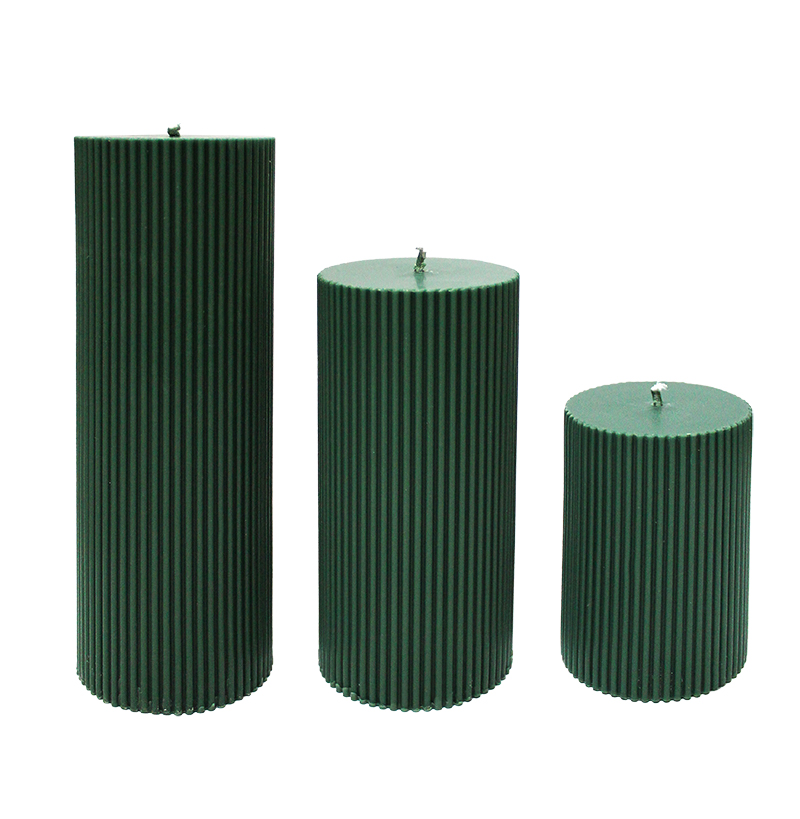
Pillar Candles: If bent or dented, heat a hairdryer on low and blow over the deformed area until wax softens (1–2 minutes). Mold the candle back into shape with your hands (wear gloves) and place in the refrigerator for 5 minutes to set.
Container Candles with "Tunneling": Melt the surface wax with a hairdryer on low, tilting the container to ensure wax covers the unburned edges. Let cool completely—this resets the wax pool for even burning next time.
DIY Mix-and-Match Candles: Collect leftover wax from different candles (avoid mixing gel wax with others). Melt in a double boiler (60–70℃), strain through cheesecloth to remove wicks/debris, and add 1–2 drops of essential oil (e.g., lavender, citrus) if desired. Pour into small silicone molds (e.g., heart, star shapes), insert new wicks, and let cool—you’ll have unique, colorful candles.
Scented Wax Melts: Melt leftover wax and pour into ice cube trays. Once solid, pop out the cubes and use them in a wax warmer (no wick needed) to scent your home—perfect for repurposing small wax scraps.
Furniture Scratch Filler: Melt beeswax and mix with a small amount of olive oil (3:1 ratio). Apply to minor scratches on wooden furniture with a cotton swab, then buff with a cloth—beeswax fills scratches and restores shine.
Causes: Overlong wick (>1cm), excessive wax in the container (>80% full), or drafty conditions.
Solutions:
If drafting: Move the candle to a sheltered area or use a windproof holder.
If wick is long: Trim to 0.5cm with wick trimmers (do this while the candle is lit—wear gloves to protect from heat).
If wax is overflowing: Extinguish immediately, let wax cool, and scrape off excess (leave ≤70% full).
Causes: Wet wick (from humidity), debris in wax (dust, hair), or uneven candle placement.
Solutions:
If wick is wet: Let the candle burn for 10–15 minutes—heat will evaporate moisture.
If debris is present: Extinguish, let cool, and remove debris with a toothpick.
If uneven: Reposition the candle on a level surface and adjust the wick to center it.
Causes: Low-quality wax (contains impurities), overloaded fragrance (more than 5% of wax weight), or carbonized wick.
Solutions:
Extinguish immediately and ventilate the area to disperse smoke.
Trim the wick to 0.5cm—if smoke persists, discard the candle (it’s likely made of low-grade paraffin).
Choose candles with natural waxes and essential oil fragrances for future use.
Actions:
Wear heat-resistant gloves and gently straighten the candle.
Blot spilled wax with a paper towel (if still liquid) or freeze with an ice pack (if solid) for easy removal.
Check for wick damage—if bent, reposition it to center before relighting.
Actions:
Do NOT use water (wax floats on water and spreads fire).
Smother the fire with a fire blanket or thick, wet towel—hold it over the flames for 5–10 seconds to ensure oxygen is cut off.
Remove burned items and cool the area with a damp cloth to prevent reignition.
Actions:
Evacuate all people and pets immediately—call emergency services (911 in the US, 112 in Europe) and provide your address and fire size.
If safe to do so: Turn off the main power (prevents electrical fires) and use a dry chemical or CO₂ fire extinguisher (aim at the base of the flames, not the top).
Do not re-enter the building until firefighters declare it safe.
First Aid:
Run cool (not cold) water over the burn for 10–15 minutes to lower skin temperature.
Pat dry with a clean towel and apply a water-based aloe vera gel to soothe pain.
Do not use butter, toothpaste, or oil—these trap heat and increase infection risk.
First Aid:
Cool the burn with water for 15–20 minutes—do not pop blisters (they protect the skin from infection).
Cover with a sterile, non-stick gauze pad and secure with medical tape.
Take over-the-counter pain medication (e.g., ibuprofen) as directed and seek medical attention within 24 hours to prevent infection.
First Aid:
Call emergency services immediately—do not attempt to treat severe burns at home.
Cover the burn with a clean, dry cloth (no water or ointments).
If the burn is on a limb, elevate it above heart level to reduce swelling.
Do not remove clothing stuck to the burn—paramedics will handle this to avoid further tissue damage.
Birthday candles are more than just a decorative item—they’re a symbol of joy, tradition, and connection. The key to using them successfully lies in balancing safety (the foundation of any celebration) and ambiance (the magic that makes birthdays memorable). By following the guidelines in this guide:
Choose wisely: Select wax types that match your needs (e.g., soy wax for families, beeswax for elegance) and avoid high-risk options like gel wax for everyday use.
Prepare carefully: Trim wicks, stabilize candles on soft cakes, and adapt to seasonal conditions (e.g., refrigerate candles in summer, use wind shields in winter).
Respond calmly: Know how to extinguish candles safely, clean wax stains without damage, and handle emergencies (like small fires or minor burns) with confidence.
Reduce waste: Repair deformed candles and upcycle leftover wax—celebrating sustainably makes your birthday even more meaningful.
Whether you’re hosting a small family dinner, a lively children’s party, or an elegant adult gathering, these tips will help you create a celebration that’s both beautiful and safe. Remember: the best birthday memories aren’t just about the candles—they’re about the people you share them with, and the peace of mind that comes from knowing everyone is protected.

We sincerely invite partners at home and abroad to work together to create new value for candlelight economy!



 English
 русский