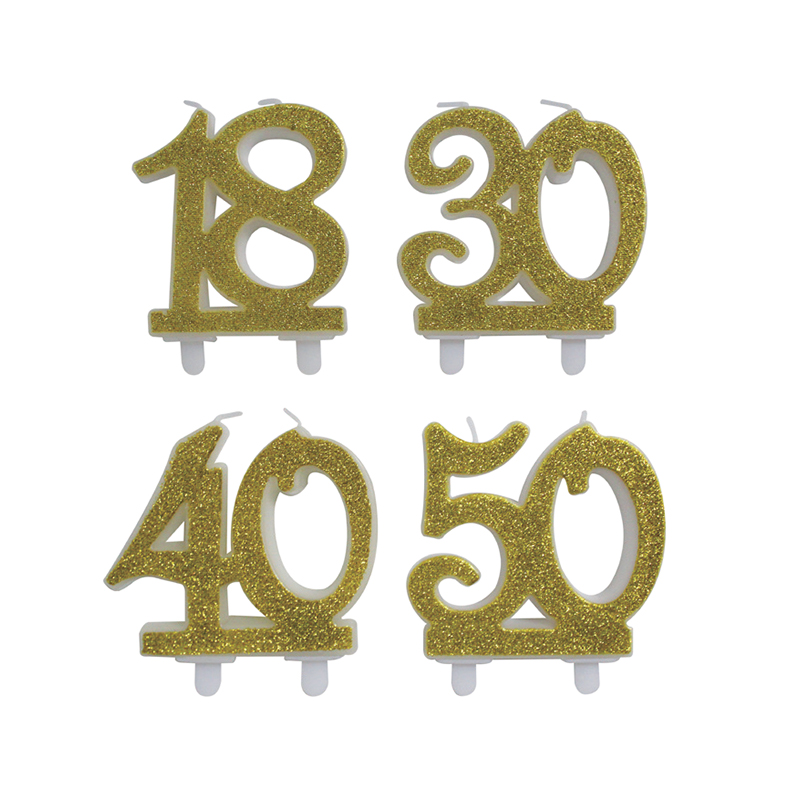
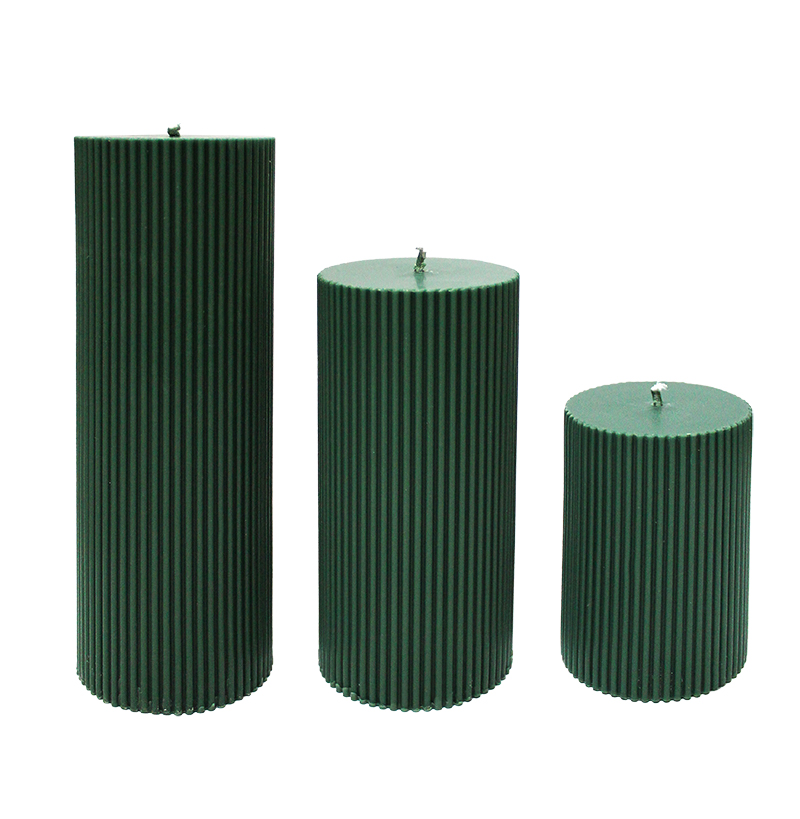
In the fast-paced modern life, aromatherapy candles have gradually become a popular choice for people to relieve stress and create a cozy home atmosphere. They not only bring warm light and shadow, but the aroma they emit can also affect people's mood and state. After a busy day at work, lighting an aromatherapy candle, watching the flickering flame, and smelling the faint aroma lingering in the air, the sense of tiredness seems to dissipate instantly. However, faced with a wide range of aromatherapy candles on the market with varying prices, scents, and materials, consumers often have many questions: How to choose the one that truly suits them among numerous products? How to use it correctly to fully release the aroma without waste? What potential safety risks should be avoided during use? Is there a scientific basis for the impact of different aromas on the human body? This article will provide detailed answers to these practical questions to help you better enjoy the wonderful experience brought by aromatherapy candles.
1. How to Choose an Aromatherapy Candle That Suits You?
Choosing an aromatherapy candle is not just about looking at its appearance or smelling its scent. It requires comprehensive consideration from multiple dimensions such as material, fragrance, and detailed design to find a product that meets your needs, is safe, and practical.
1.1 Wax Type: Choosing Between Natural and Synthetic, Affecting Safety and User Experience
Common wax types are mainly divided into natural waxes and synthetic waxes. Different wax types have significant differences in burning characteristics, aroma release effects, and safety.
- Soy Wax: Refined from soybean oil, it is a pure natural plant wax. It has a low melting point (approximately 49-54°C), produces very little smoke when burned—even almost no visible smoke—and can release aromatherapy ingredients more evenly and fully, with a wide and long-lasting aroma diffusion range. At the same time, soy wax has good plasticity, leaves little residue after burning, and makes cleaning the candle holder easier. Due to its natural material, it is more friendly to people with sensitive respiratory systems or families with children and pets. The only minor drawback is that it may have a slight "sweating" phenomenon (small water droplets condensing on the surface) in low-temperature environments (such as unheated rooms in winter), but this does not affect its use.
- Beeswax: Made from beeswax secreted by bees, it is also a representative of natural materials. Its melting point is slightly higher than that of soy wax (approximately 62-67°C). When burned, it naturally emits a faint honey fragrance. When this natural aroma is combined with the added aromatherapy ingredients, it can create a more unique olfactory experience. Beeswax burns with a stable flame, produces almost no black smoke, and has a longer burning time than soy wax. A beeswax candle of the same size may have a service life 20%-30% longer than a soy wax candle. However, due to the difficulty in obtaining raw materials for beeswax, its price is usually 1.5-2 times that of soy wax, making it more suitable for consumers who pursue high-quality natural materials and have a sufficient budget.
- Paraffin Wax: Extracted from by-products of the petroleum refining process, it is a type of synthetic wax. It has a low melting point (approximately 47-60°C) and a low price, so many low-cost aromatherapy candles on the market use this type of wax. However, paraffin wax tends to produce a lot of smoke when burned, and some products may even release trace amounts of harmful substances such as benzene and formaldehyde (especially low-quality paraffin wax). Long-term use in a closed space may cause respiratory discomfort, such as coughing and dry throat. In addition, paraffin wax has poor aroma adsorption capacity, and the aroma is released unevenly when burned. It is easy to have the situation where "there is no aroma on the outer layer, only around the wick". Moreover, it leaves a lot of residue after burning, which is difficult to clean, so long-term use is not recommended.
In addition to the above three mainstream wax types, there are also niche wax types such as palm wax and coconut wax. Palm wax has high hardness and a high melting point (approximately 80-87°C), making it suitable for making candles with three-dimensional shapes, but its aroma release effect is average. Coconut wax is similar to soy wax, being natural, environmentally friendly, and having a good aroma release effect. It is often mixed with soy wax to improve the stability of the candle.
1.2 Fragrance: Accurate Matching Based on Scenarios and Emotional Needs
The fragrance of an aromatherapy candle is not just about being "pleasant-smelling"; it needs to match the usage scenario and personal emotional state to maximize its soothing or uplifting effect. Fragrances are usually divided into top notes (the aroma emitted at the beginning of burning, lasting for 5-10 minutes), middle notes (the main aroma that appears 15-30 minutes after burning, lasting the longest), and base notes (the aroma remaining after burning or extinguishing, which is light and long-lasting). When choosing, you need to pay attention to the layering of the overall fragrance rather than just the single top note.
- Citrus Fragrances: The top notes are mostly fresh scents of fruits such as lemon, orange, grapefruit, and bergamot. The middle notes may be mixed with a small amount of floral scents (such as orange blossom), and the base notes have a slight woody or herbal tone. The characteristic of this type of fragrance is that it is "refreshing without irritation", which can quickly awaken the senses and dispel drowsiness. Suitable scenarios include: lighting it after getting up in the morning to help wake up quickly and start an energetic day; placing it on the desk when feeling tired during work or study to relieve inattention; lighting it after cooking in the kitchen to neutralize the residual odor of food.
- Floral Fragrances: Covering a variety of floral scents such as rose, lavender, jasmine, lily of the valley, and chamomile, different floral fragrances have significant differences in style. Rose and jasmine fragrances are rich and full, with a romantic feeling, suitable for use in warm scenarios such as dates and anniversaries, or lighting when feeling down to stimulate positive emotions. Lavender and chamomile fragrances are more gentle and soothing, with a calming effect, suitable for lighting 1-2 hours before going to bed to help relax the nerves and improve difficulty in falling asleep. Lily of the valley fragrance is fresh and soft with a hint of sweetness, suitable for placing in the bedroom or living room to create a fresh and natural home atmosphere.
- Woody Fragrances: Centered on the scents of woods such as cedar, sandalwood, cypress, and oak, some are mixed with warm ingredients such as amber and musk. This type of fragrance is calm and mellow, with a "calming" effect. The aroma is long-lasting and not overwhelming, suitable for use in scenarios that require concentration or relaxation such as reading, meditation, and yoga. Lighting a woody-scented aromatherapy candle in winter can also bring a warm atmosphere. Paired with a blanket and a hot drink, it feels like being in a warm cabin.
- Herbal/Green Fragrances: Such as mint, rosemary, eucalyptus, and grass. The aroma is fresh and sharp, with a natural "vitality". Mint and eucalyptus fragrances have a cooling sensation, suitable for use in summer or lighting when having a stuffy nose due to a cold to help soothe the respiratory tract. Rosemary fragrance can improve concentration, suitable for placing in the study to assist in efficient work or study. Grass fragrance simulates the fresh scent of grass after rain, suitable for people who like natural and simple styles. Placing it on the balcony or living room makes people feel close to the outdoor nature.
1.3 Wick and Details: Affecting Burning Stability and Safety
The wick is an easily overlooked but crucial part, which directly determines the burning effect and safety of the candle. High-quality wicks are usually made of pure cotton thread, and some are added with a small amount of linen to enhance stability. The thickness needs to match the diameter of the candle—for candles with a diameter of less than 5 cm, the wick diameter is recommended to be 2-3 mm; for candles with a diameter of 5-8 cm, the wick diameter is recommended to be 3-4 mm; for candles with a diameter of more than 8 cm, 2-3 wicks may be needed to ensure even burning.
When choosing, you can observe the state of the wick: if the wick has rough threads on the surface, uneven thickness, or is not firmly connected to the candle body, it is easy to have problems such as flickering flames, black smoke, and wick deviation when burning; if the wick is too thin, the flame will be too small when burning, and the aroma cannot be fully released; if the wick is too thick, the flame will be too large, which not only accelerates the burning of the candle but also may cause the candle body to overheat and lead to candle wax dripping.
In addition, attention should also be paid to the detailed design of the candle: the candle body should be smooth and flat, without obvious bubbles, cracks, or depressions. If there are bubbles, the flame may suddenly become larger when the bubbles burst during burning; the bottom of the candle should be stable and not tilt when placed on the table to avoid tipping over during burning; some candles are designed with an "anti-dripping" structure (such as the edge of the candle being slightly higher than the center), which can effectively reduce candle wax dripping and keep the candle holder clean. This design is more friendly to beginners.
2. How to Use Aromatherapy Candles Correctly for Optimal Results?
Using aromatherapy candles correctly can not only fully release the aroma and extend the service life but also avoid problems such as "uneven burning" and "pungent aroma". Many people have misunderstandings when using them, such as extinguishing the candle after burning for only 10 minutes or placing the candle in a drafty place, which will affect the user experience.
2.1 First Use: The Key to "Caring for the Candle" and Avoiding the "Memory Ring"
The first use of an aromatherapy candle is a key step in "caring for the candle", which directly determines the subsequent burning effect. Since candles follow the rule of "burning only where they melt" when burning, if the burning time is insufficient for the first use, the wax cannot be fully melted to form an even wax pool. During subsequent use, a "memory ring" will appear—that is, the candle only melts around the wick, and the wax on the edge cannot be burned, forming a hard "wax ring". This not only wastes wax but also prevents the aroma from being fully released.
The correct approach is: when lighting for the first time, determine the burning time according to the diameter of the candle—for candles with a diameter of less than 5 cm, burn for about 2 hours; for candles with a diameter of 5-8 cm, burn for about 3 hours; for candles with a diameter of more than 8 cm, burn for about 4 hours. Ensure that the wax on the surface of the candle is completely melted to form a uniformly thick wax pool (about 0.5-1 cm) before extinguishing. Even if you need to leave halfway, it is recommended to wait until the wax pool is formed before handling. If you really can't wait, you need to extend the burning time in the next use to try to repair the "memory ring" (but the effect may be limited).
2.2 Burning Environment: Balancing Ventilation and Temperature for a More Comfortable Aroma
Aromatherapy candles need to be in a relatively closed space to reach the appropriate aroma concentration, but "closed" does not mean "completely airtight". If the room is completely airtight, the oxygen will gradually decrease during the burning process, which not only causes the flame to become smaller and the burning to be insufficient but also makes the aroma concentration too high, exceeding the human comfort threshold—especially for candles with strong aromas such as citrus and floral scents. High-concentration aromas may irritate the respiratory tract and cause discomfort such as dizziness and nausea.
The correct approach is: before lighting the candle, open the windows or doors for 5-10 minutes to replace the fresh air in the room; after lighting, keep the room slightly ventilated, such as opening the window a 5-10 cm gap or leaving the door half-open. This can not only allow the aroma to spread evenly throughout the space but also ensure sufficient oxygen to avoid the aroma being too pungent. At the same time, avoid placing the candle in a place with high temperature (such as near a heater or directly below an air conditioner vent). High temperatures will accelerate the melting of the wax and cause the candle to burn too quickly; also, do not place it in a place with low temperature (such as a windowsill near a cold air vent), as low temperatures will slow down the melting speed of the wax and prevent the aroma from being fully released.
2.3 Wick Trimming: A Must Before Each Use to Control Flame Size
The length of the wick directly affects the flame size and burning stability. Trimming the wick before each use (including the first use) is a step that many people easily overlook. If the wick is too long (more than 1 cm), the flame will be too large when burning, which is easy to produce black smoke. Black smoke not only pollutes the candle holder and walls but also may adhere to the aromatherapy ingredients and affect the purity of the aroma; at the same time, a too-large flame will accelerate the melting of the wax, shorten the service life of the candle, and may cause a lot of candle wax dripping. If the wick is too short (less than 0.5 cm), the flame will be too small, the heat will be insufficient, the wax cannot be fully melted, and the aroma release will be very weak.
The correct trimming method is: use a special wick trimmer (with an arc-shaped head that can accurately cut the wick without producing rough edges) to trim the wick length to 0.5-1 cm. If you don't have a wick trimmer, you can also use clean scissors, but be careful not to cut the wax of the candle body. During the burning of the candle, if you find that the flame suddenly becomes larger or produces black smoke, you need to extinguish the candle in time, trim the wick again after the wax cools down, and then relight it.
2.4 Placement: Stable, Heat-Resistant, and Away from Risks
The placement of aromatherapy candles not only affects the user experience but also is related to safety. First of all, the placement surface must be stable and heat-resistant—wooden tabletops, plastic tablecloths, and carpets are not suitable, because the candle holder will heat up when the candle burns, and high temperatures may damage the wooden surface or ignite flammable materials. It is recommended to choose candle holders made of materials such as ceramics, glass, and metal, and the bottom of the candle holder should have an anti-slip design to avoid tipping over.
Secondly, keep away from flammable materials: curtains, sofa cushions, clothes, books, paper towels, etc. are all flammable materials, and a distance of at least 30 cm should be maintained; if placed next to a bookshelf, ensure that there are no hanging or stacked items above and around the candle to avoid the flame igniting them. At the same time, avoid placing the candle in a drafty place, such as near an air conditioner vent, a fan, or directly below a window. Wind will cause the flame to flicker, leading to uneven burning, and may even blow the flame to flammable materials; if there is a cross breeze in the room, it is recommended to close the doors and windows first and light the candle after the wind stops.
In addition, attention should also be paid to the placement height: if there are children or pets at home, the candle should be placed in a place that they cannot reach, such as a high bookshelf, the top of a cabinet, or a candle holder with a protective fence, to prevent children from touching it out of curiosity and getting burned, or pets from knocking over the candle holder and causing danger.
3. What Safety Issues Must Be Alerted to When Using Aromatherapy Candles?
Safety is the top priority when using aromatherapy candles. Even if they are candles made of natural materials and well-designed, neglecting safety details may cause serious safety accidents. The following safety issues must be alert to at all times.
3.1 Unattended Burning: Firmly Avoid "Burning When Unattended"
"Burning when no one is around" is one of the most dangerous behaviors when using aromatherapy candles. Although the flame of a candle is small, its temperature can reach hundreds of degrees Celsius. If left unattended, accidents may occur due to the following situations: the candle holder tips over (such as being blown over by the wind or knocked over by a pet), and the flame ignites the surrounding flammable materials; when the candle burns to the later stage, there is too little wax, the heat is concentrated, causing the candle holder to overheat and crack, and the high-temperature debris falls to cause a fire; it may even cause sparks generated by insufficient burning to ignite dust or hair in the air.
Therefore, no matter how long you leave the room—even if it's just to hang clothes on the balcony or pour water in the kitchen—you must extinguish the candle first; check again before going out to ensure that all candles are extinguished; never place a burning aromatherapy candle in the bedroom when sleeping, even if it is a "sleep-aiding type". If an accident occurs during sleep, it is often impossible to respond in time. When extinguishing the candle, it is recommended to use a candle lid (some candles are provided with one) or a snuffer. Avoid blowing out the candle with your mouth—blowing out may cause sparks to splash or wax liquid to spill and burn the skin, and may also leave black smoke residue at the wick.
3.2 Children and Pets: Establish a "Safety Distance" and Provide Proper Education and Protection
Children are curious about flames and may reach out to touch a burning candle or its holder, leading to burns on their hands or face; pets (especially cats and dogs) may paw at the candle holder out of curiosity, or their fur may be ignited by the flame while grooming near the candle. Therefore, a strict "safety distance" must be established for children and pets.
- Placement: Place the candle in a location that is completely out of reach of children and pets, such as a hanging candle holder or the top of a cabinet that pets cannot jump onto. Avoid placing the candle near areas where pets frequently move (e.g., next to a cat tree or dog bed) to prevent their fur from being ignited by the flame or pets accidentally licking the melted wax.
- Educational Guidance: For older children, clearly explain the dangers of candles, emphasizing that they "must not touch the flame or play with the candle holder." Use simple examples (such as pictures of burns or fire videos) to help them understand the risks. Avoid treating candles as "toys" in front of children—for instance, if using candlelight to tell stories, always supervise closely and extinguish the candle immediately afterward.
- Pet Management: When using the candle, try to keep pets in another room or separate the candle area with a barrier. If your pet likes to move around on tables, never place the candle on a table to prevent the pet from knocking over the candle holder when jumping onto the table.
3.3 Quantity Control: Avoid "Excessive Burning" to Protect the Respiratory Tract and Environment
Some people believe that "more candles mean a stronger aroma" and thus light multiple aromatherapy candles in one room. This practice is not only unnecessary but also poses health risks. Firstly, burning too many candles consumes a large amount of oxygen—lighting more than 3 candles in a closed 15-square-meter room can reduce the oxygen concentration by 5%-10% within an hour, causing symptoms such as dizziness, fatigue, and difficulty breathing. Secondly, overly concentrated aromas can irritate the respiratory mucosa, and people with allergies, asthma, or rhinitis may experience aggravated symptoms or even allergic reactions. Additionally, burning multiple candles simultaneously generates more heat, which may increase the room temperature and raise the risk of fire if ventilation is poor.
The correct quantity standard is determined by the room area: for a 15-20 square meter room, 1 candle (with a diameter of 5-8 cm) is sufficient; for a 20-30 square meter room, 2 candles (with a diameter of 5-6 cm) can be used, placed in different corners of the room to ensure even aroma diffusion; for rooms larger than 30 square meters, it is recommended to use a large-sized candle (with a diameter of over 8 cm) or pair it with an essential oil diffuser, rather than lighting multiple small candles. Meanwhile, the burning time of candles should not be too long—each use is recommended to last no more than 4 hours to allow sufficient air circulation and prevent the accumulation of aromas and harmful substances (even natural waxes release a small amount of carbon dioxide when burned).
3.4 Remaining Wax: Stop Use in Time to Avoid "Over-Burning"
When only a small amount of wax remains in the candle, many people tend to continue burning it until the wax is completely used up, thinking "it's a waste to stop." However, this practice carries significant safety risks. When the remaining wax is only 1-2 cm thick, the heat of the candle concentrates at the bottom of the holder and cannot be dissipated by a large amount of wax, causing the holder to overheat rapidly. Ceramic holders may crack due to high temperatures, glass holders may soften or even shatter, and metal holders can become extremely hot—accidental contact can result in severe burns. Additionally, with too little remaining wax, the wick may come into direct contact with the bottom of the holder, leading to incomplete combustion of the wick, increased black smoke, and even ignition of the holder.
Therefore, when only 1-2 cm of wax remains, the candle must be stopped and extinguished immediately. The remaining wax does not have to be wasted: you can place the candle holder in hot water (at a temperature of approximately 60°C) to melt the wax, then clean the wax residue with a cotton swab or paper towel—this allows the holder to be reused. If the remaining wax still has a noticeable aroma, it can be collected and used as a "wax block" in an oil burner, where the aroma is released through low-temperature heating, making it both safe and environmentally friendly.
4. What Practical Effects Do Aromatherapy Candle Scents Have on the Human Body, and How to Choose Based on Needs?
The aroma of an aromatherapy candle is not merely an "olfactory decoration"; its effects on the human body stem from the core principle of "aromatherapy." When aroma molecules enter the human body through the nasal cavity, they stimulate the olfactory nerve endings and transmit signals to the limbic system of the brain (including areas such as the amygdala and hippocampus). The limbic system is not only responsible for processing emotions and memories but also closely connected to the autonomic nervous system (which regulates physiological functions such as breathing, heart rate, and blood pressure). Thus, aromas can influence human states both emotionally and physiologically. Understanding these practical effects allows for precise selection based on personal needs, avoiding blind following of trends.
4.1 Emotional Regulation: Different Aromas Correspond to Different "Emotional Switches"
The most direct effect of aromas is on emotional regulation—different scents trigger distinct neural responses, helping to alleviate negative emotions or enhance positive ones.
- Relieving Anxiety and Stress: Lavender, chamomile, and sandalwood scents are "mainstays for anti-anxiety." The linalool component in lavender aroma inhibits the overactivity of the amygdala (the brain region responsible for generating anxiety) while promoting the release of serotonin (a neurotransmitter that regulates mood). Studies have shown that consistent exposure to lavender aroma before bed for one week can reduce anxiety scale scores by 20%-30%. The apigenin in chamomile aroma acts like a "sedative," soothing tense nerves—it is suitable for lighting after high-pressure work, exams, or important events to quickly calm the mind. The woody aroma of sandalwood uses slow, steady olfactory stimulation to shift attention away from "anxiety triggers" to the present moment, creating a sense of "stability." It is ideal for use when feeling irritable or mentally scattered.
- Boosting Low Mood: Citrus (lemon, grapefruit), bergamot, and rose scents effectively improve low mood. The limonene component in lemon aroma stimulates the brain to release dopamine (the "happy neurotransmitter"), rapidly enhancing feelings of pleasure. Research has found that spending 15 minutes in an environment with lemon aroma can increase positive mood scores by approximately 15%. Bergamot aroma combines the freshness of citrus with the softness of flowers—it lifts the spirit without being as "stimulating" as pure citrus scents, making it suitable for lighting when feeling low or unmotivated (e.g., Monday mornings, rainy days, or after setbacks). Rose aroma triggers brain regions associated with "pleasant memories" (such as the hippocampus), evoking positive emotional experiences. It is particularly beneficial for low mood caused by loneliness or loss.
- Improving Concentration and Sleep Quality: Aromas also offer targeted solutions for two common issues: "poor concentration" and "difficulty falling asleep." Rosemary and eucalyptus scents are ideal for enhancing concentration—the 1,8-cineole component in rosemary increases blood flow to the prefrontal cortex of the brain (the region responsible for logical thinking and focus). Experiments have shown that working in an environment with rosemary aroma can improve task completion efficiency by 10%-15%, making it suitable for students preparing for exams or professionals handling complex work. In contrast, lavender, valerian, and cedar scents are effective for improving sleep. Lavender aroma reduces the intensity of beta waves (associated with wakefulness and anxiety) in the brain and increases the proportion of theta waves (associated with relaxation and light sleep), helping to shorten the time it takes to fall asleep. The woody aroma of cedar creates a "sense of enclosure," reducing nighttime awakenings and making it suitable for people who struggle with chronic insomnia or frequent dreams.
4.2 Physiological Regulation: Indirectly Alleviating Physical Discomfort with Rational Expectations
The physiological effects of aromas are mostly "auxiliary adjustments"—they cannot replace medical treatment but can alleviate mild physical discomfort to a certain extent.
- Soothe Respiratory Discomfort: Eucalyptus, mint, and tea tree scents have mild "decongestant" and "mucosa-soothing" effects. The cineole component in eucalyptus aroma stimulates the respiratory mucosa to secrete mucus, helping to thin phlegm and relieve nasal congestion and coughing caused by colds or rhinitis. The cooling sensation of mint aroma soothes sore throats, making it suitable for use during seasonal colds or allergy seasons. However, it is important to note that these aromas are relatively stimulating—if the respiratory tract is in an acute inflammatory state (e.g., severe coughing or asthma attacks), their use should be avoided to prevent worsening discomfort.
- Relieve Muscle and Joint Aches: While aromatherapy candles cannot act directly on muscles, certain scents (such as ginger, cinnamon, and lavender) can indirectly alleviate aches through "psychological suggestion." The warm aromas of ginger and cinnamon create the illusion of "body warmth," enhancing the perception of improved blood circulation and thus reducing muscle stiffness. Lavender aroma relieves muscle tension caused by emotional stress, making it suitable for lighting after exercise or prolonged sitting at a desk—paired with hot compresses, it enhances the soothing effect.
- Regulate Digestive Function: Citrus, mint, and bergamot scents can improve indigestion and loss of appetite to some extent. Lemon aroma stimulates the secretion of saliva and gastric juice, boosting appetite—it is suitable for use during summer or pregnancy when appetite is poor. Mint aroma soothes the smooth muscles of the gastrointestinal tract, relieving bloating and acid reflux. It is recommended to light it half an hour after meals (avoid use immediately after eating to prevent gastrointestinal irritation).
4.3 Selection Taboos for Specific Groups: Avoid Blind Following
Not all aromas are suitable for everyone—specific groups need to avoid certain scents based on their health conditions to prevent adverse reactions.
- Sensitive Groups: People with sensitive respiratory systems (asthma, rhinitis), sensitive skin, or allergies should prioritize candles made of natural waxes with "no added fragrances" (such as pure beeswax candles) or choose products with mild scents (e.g., low-concentration lavender or chamomile). Avoid strongly scented floral candles (e.g., jasmine, lily) or those with synthetic fragrances—these can irritate the respiratory tract, triggering sneezing or asthma attacks, or cause skin allergies (e.g., redness or itching after contact with melted wax). Before use, it is advisable to test the scent in a well-ventilated area for 5-10 minutes to ensure no discomfort occurs.
- Groups in Special Physiological Stages: Pregnant women, breastfeeding mothers, and infants require extra caution. Pregnant women should avoid scents with "stimulating" or "blood-activating" properties (e.g., rosemary, cinnamon, clove) to prevent risks to fetal stability. Breastfeeding mothers should avoid overly strong aromas, as they may affect the baby's mood through breast milk or olfaction. Infants have underdeveloped respiratory and nervous systems—use of aromatherapy candles is not recommended, but if necessary, extremely low-concentration pure beeswax candles can be used in well-ventilated rooms (placed far from the baby's crib).
- People with Chronic Diseases: Individuals with hypertension or heart disease should avoid highly stimulating scents (e.g., mint, bergamot), as these may cause fluctuations in heart rate or blood pressure. Patients with depression who are taking medication should consult a doctor before using aromatherapy candles to avoid adverse interactions between the aroma and medication.
4.4 Scientific Use: Avoid "Over-Reliance" and Adhere to the "Moderation Principle"
To maximize the positive effects of aromas, it is essential to follow the "moderation principle" and avoid common misunderstandings.
- Control Usage Duration and Concentration: Each use of an aromatherapy candle is recommended to last no more than 4 hours, with a total daily usage time of no more than 6 hours. Prolonged exposure to high-concentration aromas can cause olfactory fatigue (reduced sensitivity to scents) and may even lead to "aroma intoxication" symptoms such as dizziness, nausea, and poor concentration. For small rooms (less than 10 square meters), choose small-sized candles (with a diameter of less than 5 cm) or reduce the burning time.
- Flexibly Adjust Based on Scenarios: Avoid using specific scents in inappropriate scenarios—for example, do not use energizing citrus or mint scents before bed, as they may disrupt sleep; avoid using overly soothing lavender or sandalwood scents during work, as they may induce drowsiness. A practical daily routine could be: using citrus scents in the morning to boost energy, rosemary in the afternoon to maintain focus, and lavender in the evening to relax before bed.
- Do Not Replace Medical Treatment: It is crucial to recognize the "auxiliary nature" of aromatherapy candles—their effects on emotions and physiology cannot replace medical treatment. For conditions such as severe anxiety, depression, chronic insomnia, or asthma, professional medical treatment should be the priority; aromatherapy candles can be used as an "auxiliary rehabilitation tool," not the "primary solution."
5. How to Extend the Service Life of Aromatherapy Candles and Reduce Waste?
Many people encounter issues such as "fast burning" or "fading aroma" when using aromatherapy candles, leading to unnecessary waste. In fact, with proper care, the service life of a candle can be extended by 20%-30% while maintaining its aroma intensity.
5.1 Daily Care: Extend Life Through "Details"
- Ensure "Full Melting" Each Time: In addition to forming a complete wax pool during the first use, sufficient burning time is required for subsequent uses—burn for at least 1-2 hours to ensure the wax pool covers the entire surface of the candle, avoiding "local burning" that wastes wax. Burning for less than 30 minutes each time accelerates the formation of a "memory ring," leaving unused wax that eventually has to be discarded.
- Avoid Frequent Lighting and Extinguishing: Repeatedly lighting and extinguishing the candle causes uneven heating of the wax, accelerates wick aging, and disrupts continuous aroma release. It is recommended to burn the candle continuously for the desired duration—for example, light it when returning home in the evening and extinguish it before bed, avoiding frequent on-off cycles.
- Clean the Candle Holder and Wax Pool: Dust or wick debris falling into the wax pool during burning affects wax purity and accelerates combustion. After the wax cools, gently clean the surface of the wax pool with a clean cotton swab. For wax residue on the inner wall of the holder, wipe it regularly with warm water (avoid using hard objects to scrape, as this may damage the holder).
5.2 Reuse "Remaining Wax": Turn Waste into Treasure to Reduce Waste
Even when only 1-2 cm of wax remains, there are multiple ways to reuse it, avoiding waste.
- Make "Aromatherapy Wax Blocks": Collect remaining wax from different candles (note scent compatibility—e.g., mix citrus and herbal scents, avoid combining floral and woody scents to prevent unpleasant odors). Melt the wax in a metal container with indirect heat, pour it into silicone molds (e.g., small squares or star shapes), insert a thin cotton wick, and allow it to cool. The resulting mini aromatherapy candles are suitable for small spaces such as bathrooms or entryways.
- Use as "Oil Burner Refills": Cut the remaining wax into small pieces and place them in the tray of an oil burner. Heat them with a tea light or electric heater to release the aroma through low-temperature heating (no need to light the wax directly). This method is safer and releases the aroma more slowly, making it suitable for bedrooms or children's rooms.
- Maintain Leather Products: Remaining wax from pure beeswax or soy wax can be used as a "natural leather conditioner." Melt the wax, dip a soft cloth in a small amount, and gently wipe leather items such as shoes, bags, or jackets. It provides waterproofing, anti-cracking, and shine-enhancing effects while leaving a faint natural aroma.
6. How to Adapt Aromatherapy Candles to Different Seasons to Enhance the Home Experience?
Climatic conditions, human physical states, and home needs vary by season—selecting and using aromatherapy candles in accordance with seasonal changes ensures they align with physical and mental comfort, avoiding discomfort caused by inappropriate scents or usage methods.
Table: Seasonal Adaptation Guide for Aromatherapy Candles
| Season |
Climatic Characteristics |
Common Physical States |
Suitable Scent Types |
Recommended Scent Combinations |
Usage Notes |
| Spring |
Warm & humid, high pollen levels |
Spring fatigue, low energy, sensitive respiratory tract |
Fresh herbal, low-concentration citrus |
Mint + Rosemary, Chamomile + Lemongrass |
Avoid strong floral scents; ventilate for 15 mins before burning; pair with a humidifier (40%-50% humidity) |
| Summer |
Hot & stuffy, prone to odors |
Heat exhaustion, poor appetite, fatigue |
Cool citrus, aquatic, antibacterial |
Grapefruit + Lime, Ocean Breeze + Mint |
Keep away from direct sunlight/AC vents; use light-colored, thin-walled holders; burn for 2-3 hours max per use |
| Autumn |
Dry, little rain, reduced sunlight |
Dry skin, sore throat, autumnal melancholy |
Warm woody, warm floral |
Sandalwood + Cedar, Osmanthus + Honey |
Place a small bowl of water near the candle to boost humidity; avoid cool scents (e.g., mint, ocean breeze) |
| Winter |
Cold & dry, closed windows |
Chills, low mood, stuffy indoor air |
Spicy, rich woody, bakery-inspired |
Cinnamon (small amount) + Vanilla, Caramel + Vanilla |
Ventilate for 10 mins every 2-3 hours; choose high-melting-point wax (beeswax, palm wax); keep away from heaters |
6.1 Spring: Choose Fresh & Soothing Scents to Combat "Spring Fatigue" and Seasonal Sensitivities
Spring brings warm, humid weather and increased pollen, which often leads to "spring fatigue" (low energy), mental grogginess, and respiratory discomfort for sensitive individuals. When selecting aromatherapy candles this season, prioritize scents that "refresh without irritation" to balance energy levels and soothe sensitivities.
- Scent Selection: Opt for light herbal or low-concentration citrus scents. For example, a mint-rosemary blend uses mint’s cooling effect to dispel drowsiness and rosemary’s earthy notes to boost focus—ideal for daytime work or study. A chamomile-lemongrass blend combines chamomile’s anti-inflammatory properties (soothing for sensitive airways) with lemongrass’s fresh, green aroma to neutralize musty spring odors, perfect for evening relaxation.
- Usage Tips: Spring air tends to trap allergens, so open windows for 15 minutes before lighting the candle to refresh indoor air. Avoid strong floral scents (e.g., jasmine, lily), as they may intensify pollen-related allergies. Pair the candle with a humidifier set to 40%-50% humidity—this prevents dryness from worsening respiratory irritation while maintaining a comfortable moisture level.
6.2 Summer: Choose Cool & Antibacterial Scents to Beat Heat and Odors
Summer’s high temperatures and humidity create stuffy indoor environments, frequent odors (sweat, cooking residues), and rapid bacterial growth. Aromatherapy candles should focus on "cooling the senses" and "reducing odors/bacteria" to enhance comfort.
- Scent Selection: Cool citrus, aquatic, or antibacterial scents work best. A grapefruit-lime blend offers bright, tangy notes that create a "mental coolness" and naturally neutralize odors—great for living rooms or bedrooms. An ocean breeze-mint blend mimics the crispness of sea air, paired with mint’s cooling sensation to ease heat exhaustion, ideal for evening relaxation. A tea tree-eucalyptus blend (low concentration) uses tea tree’s antibacterial properties to reduce indoor bacteria and eucalyptus’s decongestant effect to relieve stuffiness from air conditioning—suitable for bathrooms or kitchens.
- Usage Tips: Summer heat accelerates wax melting, so keep candles away from direct sunlight and air conditioning vents (wind disrupts flame stability). Choose light-colored, thin-walled holders (glass works well) to avoid heat absorption. Limit each burn to 2-3 hours—prolonged burning in high temperatures increases fire risk and wax waste.
6.3 Autumn: Choose Warm & Nourishing Scents to Alleviate Dryness and "Autumnal Melancholy"
Autumn’s dry air causes skin and throat dryness, while reduced sunlight often triggers "autumnal melancholy" (low mood, anxiety). Aromatherapy candles this season should feel "warm and enveloping" to soothe both physical dryness and emotional low points.
- Scent Selection: Warm woody or soft floral scents are ideal. A sandalwood-cedar blend offers deep, earthy warmth that calms anxious thoughts—light it in the evening with a warm lamp to create a cozy atmosphere. An osmanthus-honey blend combines osmanthus’s sweet, delicate floral notes (evoking autumn harvests) with honey’s rich warmth to ease feelings of melancholy, perfect for bedrooms. A vanilla-amber blend provides a creamy, sweet aroma that feels like a "hug for the senses," helping to counteract the chill of autumn evenings.
- Usage Tips: Autumn’s dry air can irritate airways—place a small bowl of water near the candle to add subtle moisture (the candle’s heat will gently evaporate the water). Avoid cool scents (mint, ocean breeze), as they may worsen skin or throat dryness. Opt for natural waxes (soy wax, coconut wax), which release small amounts of moisture when burned to further combat dryness.
6.4 Winter: Choose Warm & Rich Scents to Ward Off Cold and Lift Mood
Winter’s cold, dry weather and closed windows lead to chills, low mood, and stuffy indoor air. Aromatherapy candles should focus on "warming the senses" and "boosting positivity" to create a cozy, inviting space.
- Scent Selection: Rich, warm scents like spicy, woody, or bakery-inspired blends work best. A cinnamon-vanilla blend (use small amounts of cinnamon to avoid irritation) offers spicy warmth that creates a "physical heat illusion"—pair it with a blanket and hot drink for winter evenings. A pine-amber blend mimics the scent of winter forests, with amber’s sweetness adding warmth—ideal for holiday gatherings or quiet nights. A caramel-vanilla blend evokes freshly baked treats, triggering feelings of comfort and happiness, perfect for family time.
- Usage Tips: Closed winter windows trap stale air, so ventilate for 10 minutes every 2-3 hours while the candle burns to refresh oxygen levels. Choose high-melting-point waxes (beeswax, palm wax)—they resist melting in cold temperatures and burn more slowly. Keep candles away from heaters or radiators, as excessive heat will melt wax too quickly and shorten the candle’s life.
7. How to Use Aromatherapy Candles in Special Scenarios to Create Custom Ambiance?
Beyond daily home use, aromatherapy candles excel at enhancing "scene-specific ambiance." By matching scents to the purpose of the scenario (focus, relaxation, socializing), you can elevate the experience and create lasting memories.
7.1 Home Office/Study: Choose Focus-Boosting Scents to Minimize Distractions
Working or studying from home often involves distractions (household chores, phone notifications). Aromatherapy candles can create an "immersive focus zone" by stimulating the brain’s attention centers without overwhelming the senses.
- Scent Selection: Prioritize low-intensity, non-irritating scents that enhance focus. A rosemary-eucalyptus blend (1:1 ratio) uses rosemary’s ability to increase blood flow to the prefrontal cortex (boosting focus) and eucalyptus’s subtle freshness to reduce fatigue—great for data analysis or writing. A lemon-basil blend offers lemon’s energizing notes to fight drowsiness and basil’s calming earthiness to reduce mental clutter—ideal for long study sessions (e.g., exam prep). A cedar-mint blend (2:1 ratio) uses cedar’s grounding effect to minimize distractions and mint’s light coolness to prevent mental fog—suitable for creative tasks (design, planning).
- Usage Tips: Place the candle 1-2 feet from your workspace (e.g., top-left corner of the desk) to avoid flame distraction. Sync burn time with your work/study schedule (e.g., burn for 1 hour while working, then extinguish during breaks)—this creates a "scent-triggered focus routine." Pair with soft white noise (rain, café background sounds)—the combination of scent and sound further blocks external distractions.
7.2 Relaxation & Wellness (Meditation/Yoga/Bathing): Choose Calming Scents to Deepen Relaxation
Scenarios like meditation, yoga, or bathing require "mental detachment" and physical relaxation. Aromatherapy candles should have "slow, gentle scents" that guide the mind into a state of calm without disrupting focus on breath or movement.
- Meditation/Yoga: Opt for single-note, mild scents to avoid overwhelming the senses. Pure lavender (low concentration) uses its sedative properties to slow breathing and reduce racing thoughts—perfect for seated meditation. Pure cedar offers steady, woody notes that promote "rootedness," ideal for static yoga poses (Tree Pose, Child’s Pose). Pure chamomile’s soft, apple-like aroma eases muscle tension, making it suitable for relaxation poses (Savasana).
- Bathing: Choose scents that soothe both the skin and mind. A rose-geranium blend combines rose’s hydrating properties (gentle for skin) with geranium’s balancing notes to relieve stress—pair with bath salts for a spa-like experience. A sandalwood-ylang-ylang blend uses sandalwood’s warmth to relax the nervous system and ylang-ylang’s sweet floral notes to boost mood—great for pre-bed baths to improve sleep. A mint-tea tree blend (low concentration) offers cooling relief for summer baths and tea tree’s antibacterial effect to prevent skin irritation.
- Usage Tips: For meditation/yoga, place the candle 3-4 feet from your practice area—this ensures the scent is subtle enough to not distract from breathwork. For bathing, set the candle on a dry, stable surface (away from bathwater) and turn on the exhaust fan to maintain gentle ventilation (prevents steam from diluting the scent). Limit burn time to 30-60 minutes—prolonged relaxation may lead to overexposure to the scent.
7.3 Social Gatherings (Family Dinners/Friend Gatherings): Choose Inviting Scents to Enhance Connection
Family dinners or friend gatherings require an ambiance that’s "warm, welcoming, and non-intrusive"—scents should encourage conversation without competing with food aromas or overwhelming guests.
- Family Dinners: Select scents that "stimulate appetite without clashing with food." A lemon-thyme blend uses lemon’s bright notes to boost hunger and thyme’s savory undertones to complement meats, seafood, or roasted vegetables—ideal for weeknight dinners or holiday meals. An orange-cinnamon blend (3:1 ratio) offers sweet orange aromas to create warmth and a hint of cinnamon to evoke comfort—perfect for winter stews or holiday feasts.
- Friend Gatherings: Match scents to the vibe of the gathering. For casual chats, a bergamot-lily of the valley blend provides soft, fresh notes that feel light and approachable—great for afternoon tea or evening cocktails. For retro-themed parties, a sandalwood-amber blend offers rich, nostalgic warmth that enhances the retro atmosphere. For girlfriends ' afternoons, a rose-lychee blend combines sweet rose and fruity lychee to create a playful, joyful vibe—ideal for sharing desserts or hobbies.
- Usage Tips: Place candles in multiple small areas (e.g., one on the dining table edge, one on the living room side table) to ensure even scent distribution—avoid clustering candles in one spot (prevents overwhelming guests). Keep candles at least 12 inches from food to avoid scent overlap. After the gathering, extinguish all candles and open windows for 15 minutes to clear residual scents—this prevents lingering aromas from affecting the next day’s home environment.
8. How to Pair Aromatherapy Candles with Other Aromatherapy Methods (Diffusers/Aroma Pads/Incense) for Complementary Scents?
Aromatherapy candles are not the only way to add scent to your home—pairing them with diffusers, aroma pads, or incense can create "layered, versatile scent experiences" that compensate fort he limitations of a single method.
8.1 Aromatherapy Candles + Essential Oil Diffusers: Balance "Atmospheric Ambiance" and "Wide-Range Scent Coverage"
Candles excel at creating warm, cozy ambiance with their flame and "heated scent," but their aroma range is limited and they require supervision. Diffusers, by contrast, spread scent quickly across large spaces and use no open flame—though they lack the ambiance of a candle. Together, they create a seamless, balanced experience.
- Pairing Scenarios: Large living rooms or bedrooms. During daytime activities (e.g., cleaning, working), run the diffuser with an essential oil that complements the candle (e.g., if the candle is lemon, use rosemary oil)—this fills the space with a base scent quickly. As evening falls, turn off the diffuser and light the candle—the flame adds warmth, and the candle’s scent blends with the residual diffuser scent to create depth.
- Pairing Tips: Follow the "main scent + complementary note" rule—for example, a woody candle (sandalwood) pairs with a herbal diffuser oil (cedar), while a floral candle (lavender) pairs with a soft citrus oil (bergamot). Avoid conflicting scents (e.g., a rose candle with peppermint oil)—this creates a jarring experience. Keep the diffuser at least 3 feet from the candle to prevent water vapor from affecting the candle’s burn.
8.2 Aromatherapy Candles + Aroma Pads: Combine "Fixed-Space Scent" and "Portable Scent"
Aroma pads (wooden or paper pads infused with essential oils) are small, portable, and long-lasting (1-2 months)—ideal for small, enclosed spaces like closets, drawers, or cars. Candles, meanwhile, serve larger, fixed spaces. Together, they create a "head-to-toe, home-to-outdoor" scent consistency.
- Pairing Scenarios: Daily home use + daily commutes. At home, light a lavender candle in the bedroom—its scent will infuse the air. Simultaneously, soak an aroma pad in lavender essential oil (add a drop of melted candle wax for longer hold) and place it in your closet—your clothes will absorb the subtle scent. Before leaving home, move the aroma pad to your bag or car—this ensures the same lavender scent follows you, creating a sense of familiarity and calm throughout the day.
- Pairing Tips: Use identical or highly similar scents for the candle and aroma pad—mixing scents (e.g., a citrus candle with a floral aroma pad) will feel disjointed. When soaking the aroma pad, add 1-2 drops of melted candle wax (from the same candle) to the essential oil—this helps the scent last longer. For closet use, place the aroma pad in a breathable cloth bag to prevent oil stains on clothes.
8.3 Aromatherapy Candles + Incense: Balance "Tranquility" and "Long-Lasting Ambiance"
Incense offers pure, concentrated scents (e.g., sandalwood, agarwood) with a meditative, "zen" quality and burns quickly (20-30 minutes)—perfect for short, focused relaxation (meditation, reading). Candles provide longer-lasting ambiance (2-4 hours) and a softer scent. Together, they cater to both short-term tranquility and extended comfort.
- Pairing Scenarios: Meditation + evening leisure. For meditation, light a stick of sandalwood incense—its pure, earthy scent helps quiet the mind quickly. Once the incense burns out (20-30 minutes), light a sandalwood candle—the candle’s flame extends the calm ambiance, and its softer scent complements the residual incense, creating a smooth transition to post-meditation activities (reading, drinking tea).
- Pairing Tips: Stick to the same scent category for incense and candles (e.g., both woody, both herbal)—incense scents are strong, so mixing categories (e.g., floral incense with a woody candle) can feel overwhelming. Burn incense in a dedicated incense holder in a well-ventilated area to avoid smoke buildup. Wait until the incense smoke dissipates completely before lighting the candle—this prevents smoke and candle scent from mixing into an unpleasant odor.
9. Frequently Asked Questions (FAQs) About Aromatherapy Candles: Solving Practical Problems
During use, many people encounter specific issues with aromatherapy candles. Below are answers to common questions to help resolve confusion and improve your experience.
9.1 Why Does My Candle Drip Wax, and How to Prevent It?
Wax dripping (candle "tears") ruins the appearance of the holder and may damage surfaces. It typically occurs due to three reasons: an overlong wick, drafty conditions, or poor candle design.
Solutions: First, trim the wick to 0.5-1 cm before each use—an overlong wick creates a large flame that melts wax too quickly, leading to drips. Second, place the candle in a draft-free area (away from windows, fans, AC vents)—wind disrupts the flame’s shape, causing uneven melting and drips. Third, choose candles with "anti-drip designs" (e.g., a slightly raised rim around the candle’s edge or a tapered shape)—these designs encourage melted wax to flow back into the pool instead of dripping. If wax has already dripped, wait for it to harden, then wipe glass holders with a warm, damp cloth or gently scrape metal holders with a plastic scraper (avoid sharp tools that scratch surfaces).
9.2 How to Clean Black Smoke Residue from Candle Jars?
Black smoke residue on jar interiors is usually caused by an overlong wick, incomplete combustion, or low-quality wax. The cleaning method depends on the jar material:
- Glass/Ceramic Jars: Place the jar in the freezer for 1-2 hours—frozen wax contracts and detaches easily from the glass. Once removed, use a cotton swab dipped in rubbing alcohol to wipe away remaining smoke stains. For stubborn residue, fill the jar with warm water (40-50°C) and let it soak for 10 minutes—melted wax will float to the surface, and you can wipe the interior with a sponge and mild dish soap.
- Metal Jars: Metal is heat-resistant, so you can rinse the jar with warm water directly. Use a soft-bristled brush or steel wool (gentle pressure) to scrub away wax and smoke residue. Avoid acidic cleaners (e.g., vinegar), as they may corrode the metal surface.
- Prevention Tips: Trim the wick to 0.5-1 cm before each use to ensure complete combustion. Choose natural waxes (soy wax, beeswax), which produce less smoke than paraffin. Keep the room slightly ventilated while the candle burns—fresh air helps the flame burn steadily, reducing smoke.
9.3 Why Does the Candle’s Scent Fade Over Time, and How to Fix It?
Fading scent is a common issue, caused by three main factors: olfactory fatigue, uneven fragrance distribution in the wax, or incorrect burning habits.
- Olfactory Fatigue: Your nose becomes less sensitive to a scent after prolonged exposure—this is a natural biological response, not a problem with the candle. Solution: Rotate between 2-3 different scents (e.g., citrus one week, herbal the next) to give your sense of smell a break. Shorten each burn time from 4 hours to 2 hours—less exposure prevents fatigue.
- Uneven Fragrance Distribution: Low-quality candles often have fragrance only in the outer wax layer; once the outer layer burns, the inner wax has little to no scent. Solution: Choose candles made with natural waxes (soy wax, beeswax)—these hold fragrance more evenly throughout the wax. When burning, always let the wax pool reach the jar’s edge (this ensures inner wax with fragrance is melted and released).
- Incorrect Burning: A too-short wick produces a small flame that doesn’t generate enough heat to melt wax fully—fragrance molecules remain trapped in unmeltered wax. Solution: Trim the wick to 0.5-1 cm before each use. If the wick is too short to trim, gently pull it upward with tweezers (when cool) to expose a new section of cotton.
9.4 How to Store Unused Candles to Prevent Scent Loss and Wax Damage?
Poor storage leads to scent evaporation, wax discoloration, or mold growth. Follow these steps for long-term storage:
- Storage Environment: Keep candles in a cool, dry, dark place (e.g., a top shelf in a closet, a sealed cabinet). Ideal temperature: 15-25°C. Avoid direct sunlight (it fades wax color and breaks down fragrance molecules) and humid areas (e.g., bathrooms)—moisture softens wax and causes mold.
- Packaging: Use the original packaging (paper boxes, tin cans) if possible—these are designed to protect the candle. If the original packaging is lost, wrap the candle in wax paper (not plastic wrap, which sticks to wax when temperatures change) and place it in an airtight container with 1-2 silica gel packets (to absorb moisture).
- Storage Don’ts: Never store candles with strong-smelling items (e.g., mothballs, perfume, cleaning products)—candles absorb odors easily, ruining their original scent. Don’t stack candles, especially soft waxes (soy wax)—weight from top candles bends or flattens the bottom ones, affecting burn shape.
9.5 What Special Precautions Are Needed for Candles Around Pets?
Pets have a sense of smell 10-100 times stronger than humans, and some (e.g., cats) have weak liver function, making them more sensitive to fragrance ingredients. Extra care is essential:
Table: Safety of Common Fragrance Ingredients for Pets
| Fragrance Ingredient |
Safety for Cats |
Safety for Dogs |
Potential Harmful Symptoms (If Exposed) |
Recommended Alternatives |
| Tea Tree |
Toxic |
Low Toxicity |
Vomiting, diarrhea, lethargy, muscle tremors |
Chamomile, Lavender |
| Eucalyptus |
Toxic |
Low Toxicity |
Difficulty breathing, drooling, loss of balance |
Low-concentration Mint |
| Cinnamon |
Toxic |
Toxic |
Mouth irritation, vomiting, liver damage |
Low-concentration Lemongrass |
| Clove |
Toxic |
Low Toxicity |
Vomiting, diarrhea, central nervous system depression |
Low-concentration Lemongrass |
| Lavender |
Low Risk |
Safe |
Lethargy, loss of appetite (in sensitive cats) |
— |
| Chamomile |
Safe |
Safe |
Mild diarrhea (if overexposed) |
— |
| Unscented Beeswax |
Safe |
Safe |
No known harmful effects |
— |
- Scent Selection: Avoid ingredients marked "toxic" for your pet (see table). Opt for unscented beeswax candles or low-concentration lavender/chamomile blends. Test the candle in a small room first—if your pet sneezes, hides, or refuses to enter, the scent is too strong.
- Placement: Keep candles out of pets’ reach—use hanging candle holders or place them on high shelves (cats can jump up to 5 times their height, so aim for 6+ feet high). Never put candles near pet beds, food bowls, or favorite perches—pet hair can catch fire, and curious pets may knock over the holder.
- Usage Time: Burn candles for no more than 1 hour when pets are home. Keep windows open slightly to ventilate—fresh air reduces scent concentration. If your pet has a respiratory condition (e.g., dog asthma, cat bronchitis), avoid candles entirely—use scent pads (placed in closets) instead.
10. Eco-Friendly Use of Aromatherapy Candles: Reducing Environmental Impact
While enjoying the comfort of aromatherapy candles, it’s important to minimize their environmental footprint. By choosing eco-friendly products, reusing waste, and reducing consumption, you can enjoy candles sustainably.
10.1 Choose Eco-Friendly Candles to Reduce Pollution at the Source
- Wax Selection: Prioritize renewable natural waxes (soy wax, beeswax, coconut wax). These waxes burn cleanly (releasing only CO₂ and water) and are derived from sustainable sources (soybeans are crop-based; beeswax is a byproduct of beekeeping). Avoid paraffin wax—it’s a non-renewable petroleum byproduct that may release harmful chemicals when burned.
- Fragrance Selection: Opt for candles scented with 100% natural essential oils, not synthetic fragrances (e.g., phthalates). Synthetic fragrances break down into toxic compounds that pollute soil and water. Check ingredient labels—avoid vague terms like "fragrance" or "parfum," which often hide synthetic additives.
- Packaging Selection: Choose candles with minimal, recyclable packaging. Paper boxes, glass jars, or metal tins are ideal—these can be recycled or reused. Avoid overpackaged candles (e.g., those in plastic gift boxes with decorative ribbons)—excess packaging creates unnecessary waste.
10.2 Dispose of Candle Waste Responsibly
- Remaining Wax: Don’t throw away leftover wax! As mentioned earlier, it can be melted to make mini candles, used in oil burners, or applied to leather goods as a conditioner. If wax can’t be reused: natural waxes (soy, beeswax) are compostable—add small pieces to a home compost bin (they break down in 3-6 months). Paraffin wax is non-compostable—place it in regular trash (never pour liquid wax down drains, as it clogs pipes).
- Candle Holders & Packaging: Glass, ceramic, or metal holders can be cleaned and reused (as planters, storage jars, or pen holders) or recycled with other glass/metal waste. Paper packaging (boxes, labels) should be recycled with paper waste—remove plastic stickers or tape first. Plastic packaging (e.g., shrink wrap) should be recycled if your local program accepts it; otherwise, reuse it for storage.
- Wicks: Cotton wicks are compostable—separate them from wax and add to compost. Wicks with metal cores (for stability) should have the metal removed and recycled with other metals; the cotton part can be composted.
10.3 Reduce Consumption to Lower Resource Use
- Limit Burn Time: Only burn candles when needed (e.g., for relaxation or ambiance), not as a "decorative item" all day. Shortening each burn from 4 hours to 2 hours cuts wax use in half.
- Choose Large-Sized Candles: A single large candle (10 cm diameter) burns longer (80-100 hours) than 2-3 small candles (5 cm diameter, 30-40 hours each). Large candles also have less packaging per hour of use, reducing waste.
- Alternate with Other Aromatherapy Methods: Use essential oil diffusers (electric, no wax needed) during the day, and reserve candles for evenings. This reduces wax consumption while still enjoying scent.
11. Conclusion: Enjoy Aromatherapy Candles Responsibly for Comfort and Safety
Aromatherapy candles offer more than just scent—they create moments of calm in busy lives, turning ordinary spaces into cozy retreats. But their true value lies in "intentional use": choosing the right candle for your needs, using it safely, and minimizing waste.
From selecting natural waxes and pet-safe scents to trimming wicks and reusing leftover wax, every small step ensures you get the most out of your candle while protecting your health and the environment. Remember: candles are a tool for comfort, not a solution for serious health issues—if you struggle with anxiety, insomnia, or allergies, always seek professional help.
By following the tips in this guide, you can enjoy the warmth and aroma of aromatherapy candles without compromise. Whether you’re lighting a citrus candle to start your morning, a lavender candle to unwind at night, or a woody candle for a cozy gathering, may each flame bring you peace and joy.





 English
 русский