May, 08, 2026
Content
The core advantages of ceramic aromatherapy candles lie in their perfect fusion of practical functionality and artistic aesthetics. Compared to ordinary glass or metal containers, ceramic material offers superior heat insulation, effectively reducing outer wall temperature for safer use; its durability allows the container to be reused long-term, delivering significant environmental value. Meanwhile, the ceramic surface can showcase rich artistic patterns through hand-painting, relief carving, and other techniques, serving dual functions of home decor and emotional expression, making it the preferred choice for gift markets and upscale settings.
The thermal conductivity coefficient of ceramic material is approximately 1.5–2.5 W/(m·K), significantly lower than that of glass (around 1.0 W/(m·K) surface touch temperature) and metal. This physical property means that during candle burning, the outer wall temperature of a ceramic cup can typically be controlled within the 40–50°C range, whereas glass containers under the same conditions can reach over 60°C. For households with children or pets, this temperature difference directly reduces burn risks and enhances usage safety.
Ceramics are fired at high temperatures (usually 1200–1300°C), achieving a Mohs hardness of 6–7, well above the 5.5 rating of ordinary glass. This high-strength characteristic makes ceramic cups resistant to cracking or scratching from daily impacts. More importantly, once the candle burns out, the ceramic cup can be reused through simple cleaning—as a planter, storage jar, or decorative piece—with a service life exceeding 10 years. In contrast, disposable glass or plastic containers become waste immediately after use, giving ceramic containers a clear sustainability advantage.
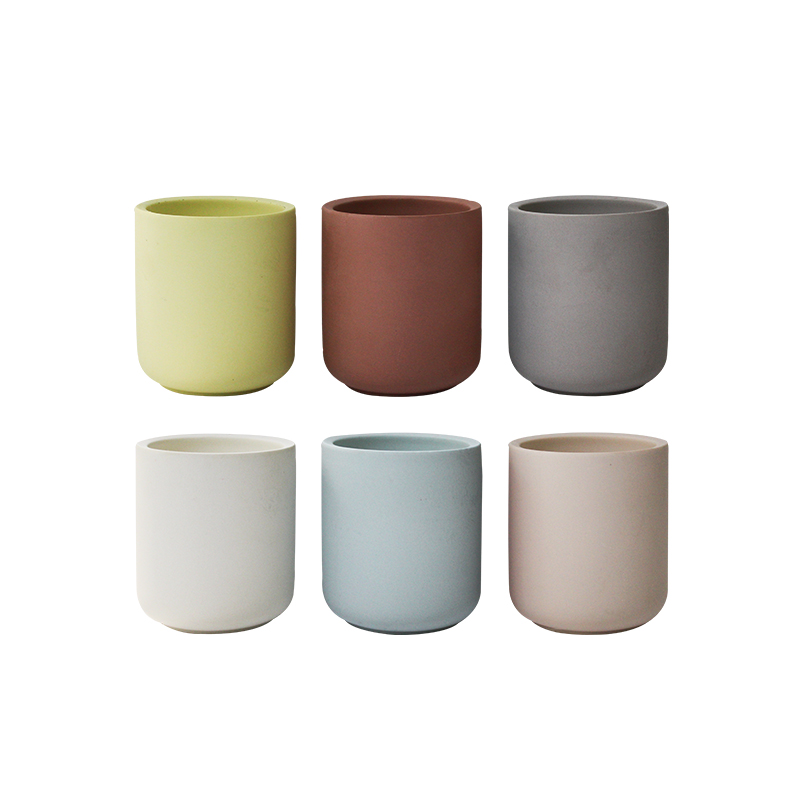
The surface of a ceramic cup provides vast space for artistic creation. Through the following techniques, every candle can become a unique work of art:
The microporous structure of ceramic allows it to lightly adsorb fragrance molecules after the first use, forming a unique "scent memory layer." When relit, this property facilitates gradual scent release, avoiding the "top-note overload" common in ordinary containers. At the same time, the matte texture of ceramic interacts with candlelight to produce a soft, warm lighting effect, creating a more intimate and serene atmosphere compared to the transparent refraction of glass.
Ceramic aromatherapy candles are highly adaptable to home environments. Depending on the function of each space, placement and usage methods vary:
| Space | Recommended Scents | Placement | Ambiance Effect |
|---|---|---|---|
| Living Room | Citrus, Woody Notes | Coffee table, Mantelpiece | Warm hospitality, Elevated style |
| Bedroom | Lavender, Sandalwood | Nightstand, Dresser | Sleep aid, Private tranquility |
| Bathroom | Ocean, White Tea, Eucalyptus | Window sill, Bathtub edge | Spa experience, Fresh deodorizing |
| Study | Cedar, Leather, Tea | Desk, Bookshelf | Focus and calm, Inspiration boost |
Thanks to their high aesthetic appeal and personalization, ceramic aromatherapy candles have become a popular choice in the gift market. Industry data shows that within the holiday gift category, the aromatherapy candle segment has an annual growth rate exceeding 15%, with ceramic container styles accounting for approximately 35% of the market. Key advantages include:
In commercial venues such as hotels, restaurants, cafés, and SPA clubs, ceramic aromatherapy candles are not merely decorative elements but an extension of brand identity. Upscale hotels typically place ceramic candles matching their overall design style in guest rooms; while their cost is about 1.5–2 times that of ordinary glass candles, their reusability and premium texture result in lower overall usage costs. Restaurants can also build olfactory memory in customers' minds by customizing ceramic cup candles with brand logos, enhancing brand recognition.
Against the backdrop of rising global environmental awareness, the sustainability advantages of ceramic aromatherapy candles are becoming increasingly prominent. Ceramic raw materials are primarily natural clay and mineral glazes; although the production process requires energy for high-temperature firing, the finished product can be recycled indefinitely. A 200ml ceramic cup can hold approximately 20–30 candle refills over a 10-year lifespan, equivalent to eliminating the same quantity of glass or plastic waste. If filled with plant-based waxes such as soy wax or beeswax, the carbon footprint across the entire product lifecycle can be further reduced by 40–60%.
Furthermore, ceramic material contains no BPA or plasticizers and does not release harmful substances at high temperatures, making it more friendly to indoor air quality. For consumers pursuing green consumption, the combination of ceramic containers with natural waxes and essential oils represents an ideal choice for achieving a zero-waste lifestyle.
To extend the service life of your ceramic cup and maintain optimal burning performance, trim the wick to 5–8mm before each use to prevent oversized flames and black smoke. When extinguishing the candle, use a candle snuffer or wick dipper rather than blowing it out directly, which reduces smoke and burnt odors. After the candle burns out, melt any remaining wax with hot water and pour it out, then clean with warm water and neutral detergent—the ceramic cup will be as good as new, ready for the next refill or alternative use.
Related Products

We sincerely invite partners at home and abroad to work together to create new value for candlelight economy!



 English
 русский