May, 22, 2026
Content
Birthday candles represent the light of life, the passing of years, the power of a wish, and the warmth of celebration shared between people. Each candle placed on a birthday cake carries layered meaning — one candle for each year of life lived, a flame that symbolizes vitality and the human spirit, and the ritual of blowing them out in a single breath to send a silent wish into the world. Far from being mere decoration, birthday candles are among the most symbolically rich objects in modern celebration culture, connecting us to thousands of years of human ritual around fire, light, and the marking of time.
Their meaning operates on multiple levels simultaneously — historical, spiritual, psychological, and social — and has evolved considerably from their ancient origins to the diverse forms and cultural interpretations they carry today. The sections below explore each dimension of what birthday candles represent and why this small, flickering tradition has endured so powerfully across so many cultures and centuries.
The practice of placing lit candles on a celebratory cake is generally traced to ancient Greece, where worshippers of Artemis — the goddess of the moon, hunting, and childbirth — honored her on her sacred day by baking round honey cakes meant to represent the full moon. Candles were placed on these offerings and lit so that the glowing cake resembled the luminous moon itself, and the smoke rising from the flames was believed to carry prayers and wishes upward to the goddess in the heavens.
This early practice established the core symbolic framework that persists in birthday candles today: fire as a medium between the human and the divine, light as a representation of something sacred and alive, and the act of extinguishing flames as a ritual act with intentional meaning. The ancient Greeks were not alone in this symbolic use of flame — virtually every major ancient civilization, from the Egyptians and Romans to the Persians and Chinese, incorporated fire and light into rituals marking important transitions in human life.
The more direct ancestor of the modern birthday candle tradition is widely attributed to 18th-century Germany, where a celebration called "Kinderfest" — a birthday party for children — included placing candles on a cake equal in number to the child's age, plus one additional candle called the "light of life." This extra candle represented the year ahead — the unlived time stretching forward from the birthday moment — and introduced the idea of candles as markers of time rather than purely as offerings to deities. The child was encouraged to blow out all the candles in a single breath, and success was interpreted as a positive omen for the year to come.
This German tradition gradually spread through Europe as travel and cultural exchange increased during the 19th century, and by the early 20th century, birthday candles on cakes had become a widespread practice across the Western world. The Industrial Revolution played a significant role in this popularization — mass production made candles cheap and readily available for the first time, transforming what had been a relatively exclusive celebration element into something accessible to ordinary families.
The most widely understood meaning of birthday candles is their role as a visual count of years lived. One candle for each year of age transforms the birthday cake into a tangible record of a life's progression — a small, glowing timeline that makes the abstract concept of passing time concrete and visible for a moment before it is extinguished.
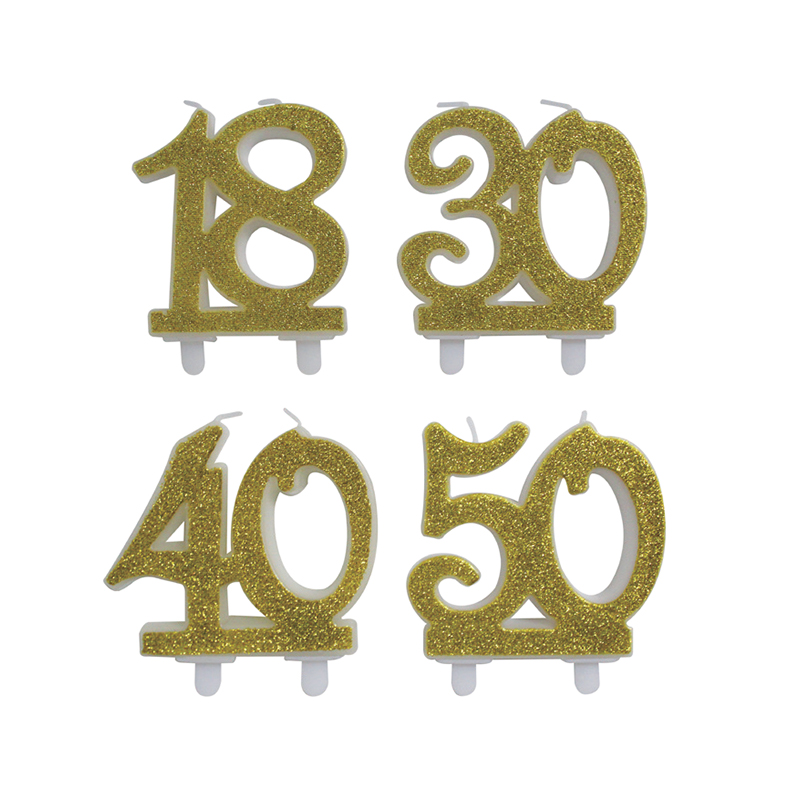
This representation of age through candles carries emotional depth that goes beyond simple counting. For a child, seeing five or seven candles on their cake makes their age feel real and significant in a way that no verbal statement of "you are seven years old today" quite achieves. For an adult celebrating a milestone birthday — 30, 40, 50, or beyond — the candles prompt genuine reflection on the years that have passed and those that lie ahead. The birthday candle makes time visible, and in doing so, gives the birthday celebration its particular combination of joy and contemplative weight.
The candle flame has served as a metaphor for human life across an extraordinary range of cultures and literary traditions. Like a human life, a candle flame is born from a moment of ignition, burns with varying intensity through its existence, produces light and warmth for those around it, consumes itself in the process of giving that light, and inevitably goes out. This parallel between the candle's lifecycle and the human lifecycle gives birthday candles a poignancy that deepens rather than undermines the joy of the occasion — a quiet reminder that life is finite, precious, and worth celebrating fully in each of its years.
The moment when all candles are extinguished and a curl of smoke rises from the cake carries this metaphorical weight most powerfully — the light is gone, one more year has passed, and the person at the center of the celebration is simultaneously one year older and, in the ritual logic of the birthday, reborn into a new year of life.

Of all the elements of the birthday candle ritual, the moment of making a wish and blowing out the candles is the most universally practiced and emotionally resonant. The wish tradition transforms a passive symbol into an active ritual — the birthday person is not merely observed but participates in a moment of focused intention, sending a private hope or desire into the world through the act of breath and extinguished flame.
The mechanics of the wish ritual follow a consistent pattern across cultures that have adopted it: the person closes their eyes, forms a wish silently in their mind, and then exhales to extinguish all candles. Two conditions are generally understood to be required for the wish to come true — all candles must be extinguished in a single breath, and the wish must be kept secret. Both conditions have their own symbolic logic.
The requirement to extinguish all candles in one breath connects to ancient beliefs about the power of breath and its relationship to the soul and vital force. In many ancient traditions — Greek, Hebrew, Sanskrit, and Chinese among them — breath was understood as the vehicle of the animating spirit, the invisible energy that distinguished the living from the dead. To extinguish many flames with a single exhalation was, in this symbolic framework, to demonstrate the strength and fullness of one's vital force — and therefore the worthiness of one's wish to be granted.
In more practical psychological terms, the single-breath requirement creates a moment of genuine challenge and suspense that heightens the emotional impact of the ritual. The collective holding of breath by all present as the birthday person draws in air, the shared watching of whether all flames go out, and the burst of applause and cheering when they do — all of this generates a peak moment of shared attention and joy that is disproportionately powerful for such a brief act.
The secrecy requirement for the birthday wish reflects a widespread folk belief about the fragility of wishes and intentions when exposed to external scrutiny. The logic — that speaking a wish aloud diminishes or nullifies its power — appears in wishmaking traditions across dozens of cultures, from wishing on stars to throwing coins in fountains. Keeping the wish private preserves it as a purely interior intention, undiluted by others' reactions, skepticism, or influence. It also gives the birthday person a moment of genuine privacy at the center of a highly public, socially directed celebration — a brief retreat into their own inner life before returning to the collective festivities.
Fire and light carry symbolic meanings that predate and transcend any specific birthday tradition, rooted in the most fundamental human experiences with flame — as a source of warmth, protection, food preparation, and illumination in darkness. When a birthday candle is lit, it draws on this entire reservoir of human symbolic association with fire, even if no one present is consciously aware of doing so.
Across religious and spiritual traditions worldwide, light consistently represents some version of the following:
While much of the symbolism of birthday candles centers on the individual being celebrated, the ritual of the candles also carries important meaning for everyone present at the celebration. The birthday candle moment is one of the few genuinely collective rituals in secular modern life — a moment when everyone in the room stops other activities, gathers together, and jointly directs their attention and goodwill toward a single person.
The singing of "Happy Birthday" as the candles burn, the shared watching of the wish and the blowing out, and the collective applause that follows form a complete social ritual with a clear structure: preparation (lighting the candles), procession (the birthday person approaches the cake), invocation (the song), peak moment (the wish and the blowing), and resolution (applause and the cutting of the cake). This ritual structure — recognizable to nearly everyone in the room regardless of their specific cultural background — creates a moment of genuine social cohesion and shared joy that is increasingly rare in the individualized, screen-mediated rhythms of contemporary life.
For the person being celebrated, the moment when lit candles are brought out on a cake represents something deeply human: being seen, honored, and held at the center of other people's attention and care. The candles signal to the birthday person that this moment has been prepared for them — someone took the time to light those flames, to dim the lights, to gather people around. The act of presenting the lit cake is an act of devotion, however casually it may be performed in practice, and most people feel its emotional significance even when they don't articulate why.
While the birthday candle tradition has spread globally from its Western European roots, different cultures have adapted the ritual in ways that reflect their own symbolic priorities and values. Understanding these variations reveals how flexible and meaningful the core symbols — light, time, and the wish — are across very different cultural frameworks.
| Culture / Region | Birthday Candle Practice | Symbolic Emphasis |
|---|---|---|
| Western Europe and North America | One candle per year of age; single-blow wish | Age, personal wish, collective |
| Germany (traditional) | Age candles plus one "light of life" | The year ahead; continuous vitality |
| China | Western birthday cake tradition | Long life; prosperity; family |
| Mexico and Latin America | Candle ritual combined with piñata | Transition to adulthood; community |
| Jewish tradition | Birthday candles used alongside | Divine light; sacred marking of time |
| South Korea | Birthday cake with candles standard | Survival and thriving; fortune |
What these variations share is more significant than what differentiates them. In every cultural adaptation, the candle remains associated with the preciousness of the individual life being celebrated, the passage of time, and the goodwill of the community gathered to mark the occasion. The specific number, color, placement, and ritual choreography differ; the underlying symbolism converges.
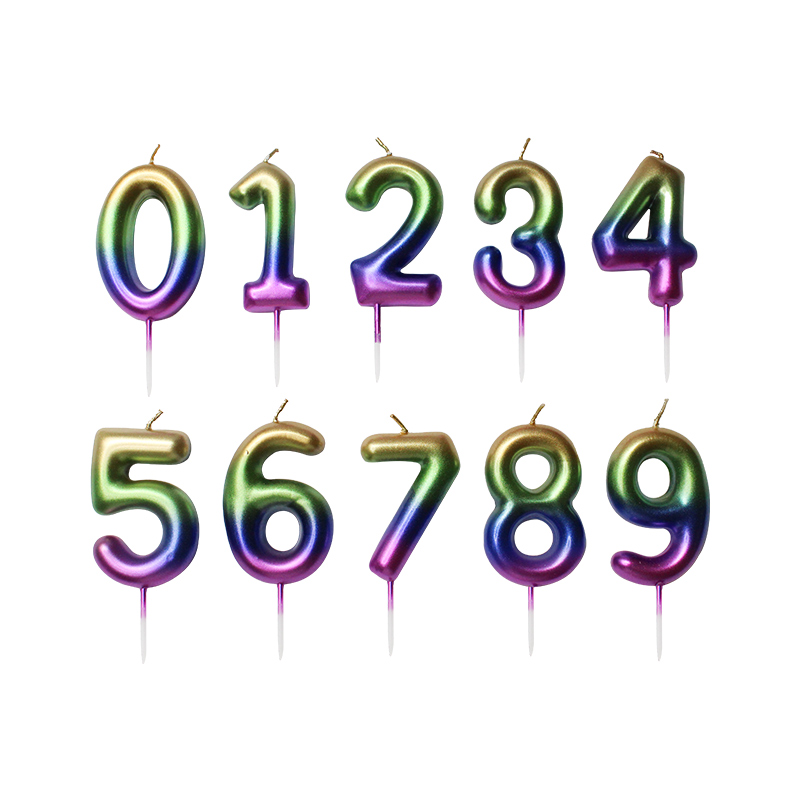
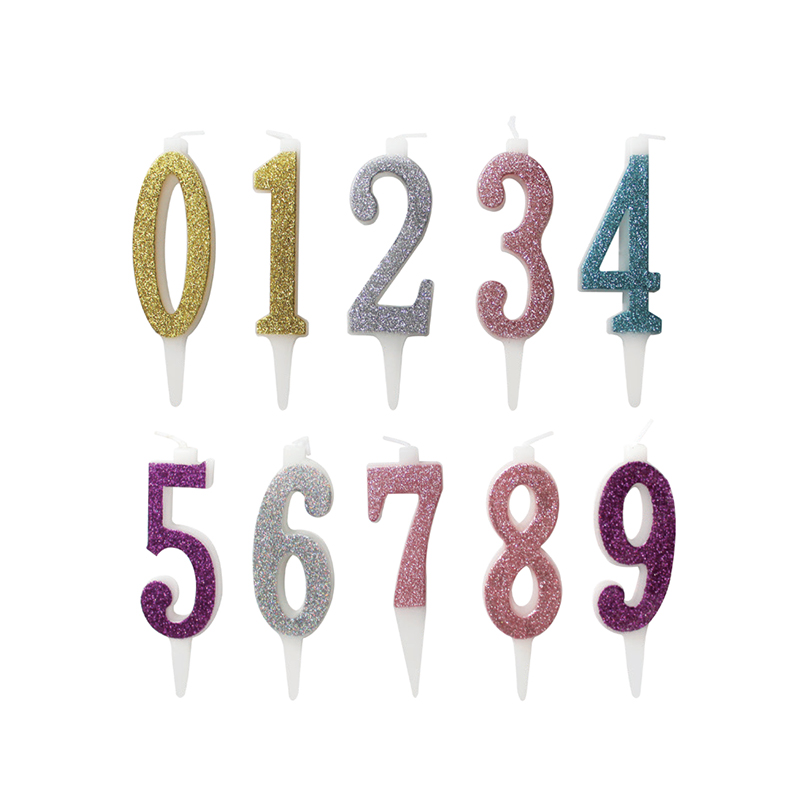
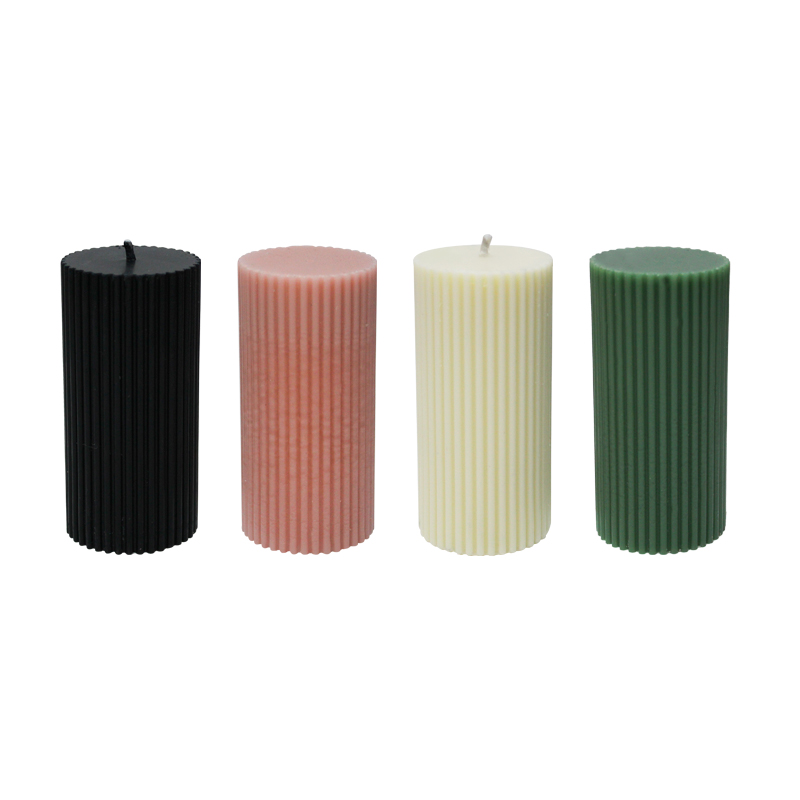
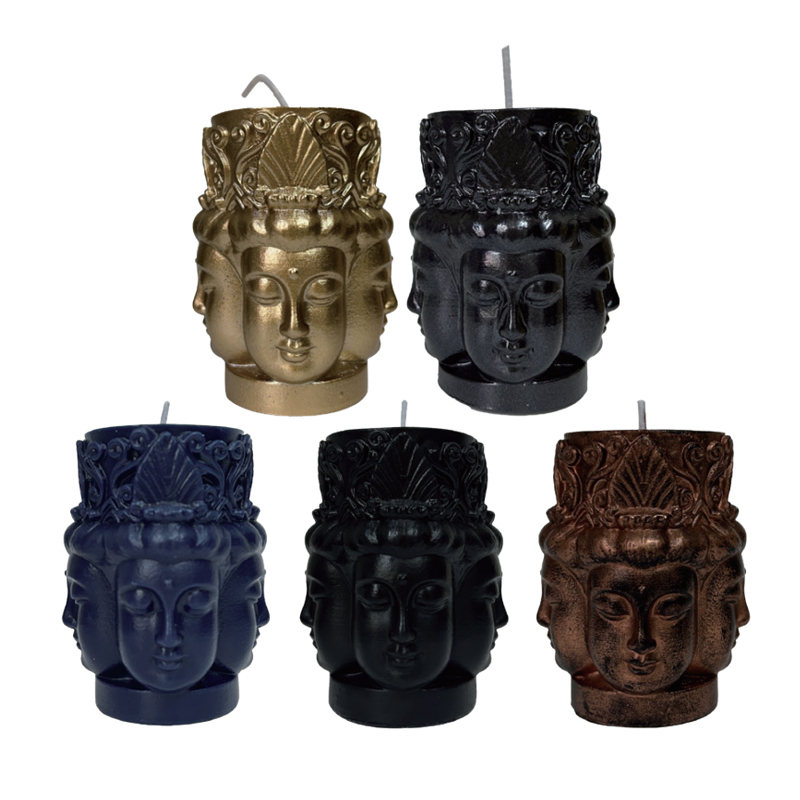
Modern birthday candles come in an extraordinary variety of colors, shapes, sizes, and designs — from simple tapered wax candles in primary colors to elaborate number-shaped candles, sparkler candles, musical candles, and color-changing candles. These variations add additional symbolic and expressive dimensions to the basic candle tradition.
Color carries its own symbolic language in birthday celebrations. While candle color choices are often made for aesthetic reasons rather than strict symbolic adherence, the associations are nonetheless present and felt:
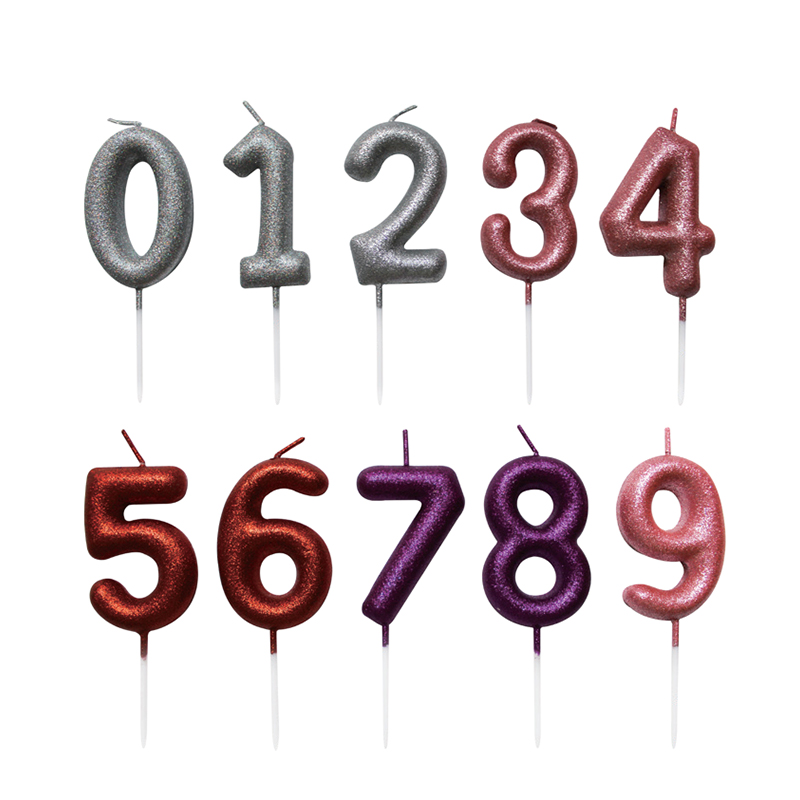
Number-shaped candles, which display the birthday person's age in large numeral form, emphasize the age-counting symbolism of the traditional single candles — making the number of years lived impossible to miss or overlook. Sparkler candles, which emit bright cascading sparks rather than a steady flame, add a theatrical dimension of brightness and spectacle that transforms the birthday moment into a more dramatic visual event. Relighting candles — which reignite after being blown out — introduce a playful element of surprise and persistence, subverting the traditional wish ritual in a way that is usually experienced as humorous rather than frustrating.
Each of these innovations preserves the essential ritual structure — the lit candle, the gathering, the wish, the extinguishing — while adding new expressive possibilities that allow birthday candles to be personalized to the specific personality, age, and sensibility of the person being celebrated.
Beyond their historical and cultural meanings, birthday candles serve important psychological functions that help explain why the tradition persists so robustly even in an age when many other traditional rituals have faded. Psychologists who study ritual behavior have found that structured ceremonies — even simple ones — help people process transitions, create memories, and feel connected to others and to their own life story.
Birthdays mark a genuine life transition — the crossing of a threshold from one year of existence to the next — and the birthday candle ritual gives that transition a concrete, sensory form. The lighting of the candles says: this moment is beginning. The wish says: here is what I hope for. The blowing out says: this moment is now complete, and I am crossing into what comes next. This structured beginning, middle, and end gives the birthday a ceremonial weight that protects it from passing unnoticed in the flow of ordinary days.
The birthday wish, trivial as it may seem in the context of adult rationality, represents something psychologically significant: a moment of deliberate hope. In the few seconds of closed eyes and focused thought before blowing out the candles, the birthday person is invited to ask themselves what they most want — for their life, their relationships, their health, their future. This brief but genuine act of introspection, embedded in a joyful social occasion, can serve as a small but meaningful annual check-in with one's own deepest desires and aspirations.
Research in positive psychology suggests that rituals involving explicit hope or intention-setting — however informal — contribute to subjective wellbeing and a sense of personal agency. The birthday wish, in this light, is not merely superstition but a culturally sanctioned moment of positive self-direction that most people engage in sincerely, regardless of whether they believe their wish will literally be granted.
The meaning of birthday candles shifts as the person being celebrated moves through life's stages. The same ritual carries different emotional weight and different symbolic resonance at age five, at age eighteen, at age forty, and at age eighty. Understanding these variations helps explain why the birthday candle tradition feels personal and meaningful rather than generic across an entire lifetime.
| Life Stage | Age Range | Primary Symbolic Meaning | Emotional Tone |
|---|---|---|---|
| Early childhood | 1–7 | Wonder, magic, being special | Pure delight and excitement |
| Later childhood | 8–12 | Growing up, counting years to adulthood | Pride and anticipation |
| Adolescence and young adulthood | 13–25 | Freedom, identity, the future opening up | Eagerness and social celebration |
| Midlife | 35–55 | Reflection, reassessment, gratitude | Bittersweet; humor about age mixed with deeper appreciation |
| Later life | 65+ | Survival, legacy, connection with family | Profound gratitude and warmth |
This ability to carry different meanings at different life stages without losing its essential symbolic coherence is one of the most remarkable qualities of the birthday candle tradition. The same ritual object — a small wax candle with a flame — can represent magical possibility to a five-year-old and decades of lived experience to a seventy-year-old, while remaining recognizable and meaningful to both.
The persistence of birthday candles across millennia, across vastly different cultures, and through dramatic changes in technology, religion, and social organization is not accidental. It reflects the depth and universality of the needs they meet and the symbols they embody. A few simple elements — a flame, a count of years, a breath, a wish, and a gathering of people who care about the one being celebrated — address fundamental human needs for meaning, connection, hope, and the ritual marking of time's passage.
In a world with fewer shared rituals than previous generations enjoyed, the birthday candle moment remains one of the few experiences that nearly everyone — across cultures, religions, ages, and backgrounds — has participated in and felt to be significant. Its very simplicity is its strength: it requires no special equipment, no religious belief, no particular cultural knowledge beyond the most basic familiarity with the tradition. Light the candles, gather the people, make the wish, blow out the flames, and feel, for a moment, the weight and the gift of being alive for another year.
That is what birthday candles represent — not just in their ancient origins or their cultural variations, but in the moment itself, every time they are lit.

We sincerely invite partners at home and abroad to work together to create new value for candlelight economy!



 English
 русский