Nov, 07, 2025
Content
Number candles serve as the "atmosphere highlight" at kids' birthday parties. They not only clearly show the child's age but also spark children's interest with their cute designs. However, with a wide range of styles available on the market, how should parents choose number candle designs that are both safe and appealing to children? This article will break down the types of number candle designs suitable for kids' birthday parties from perspectives such as safety, fun, and scene adaptability.
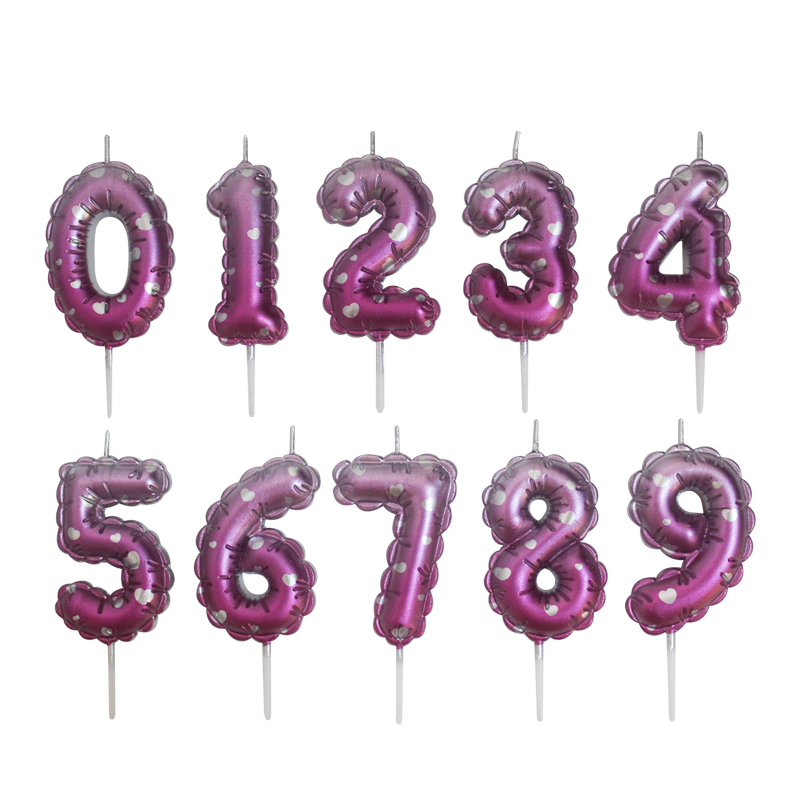
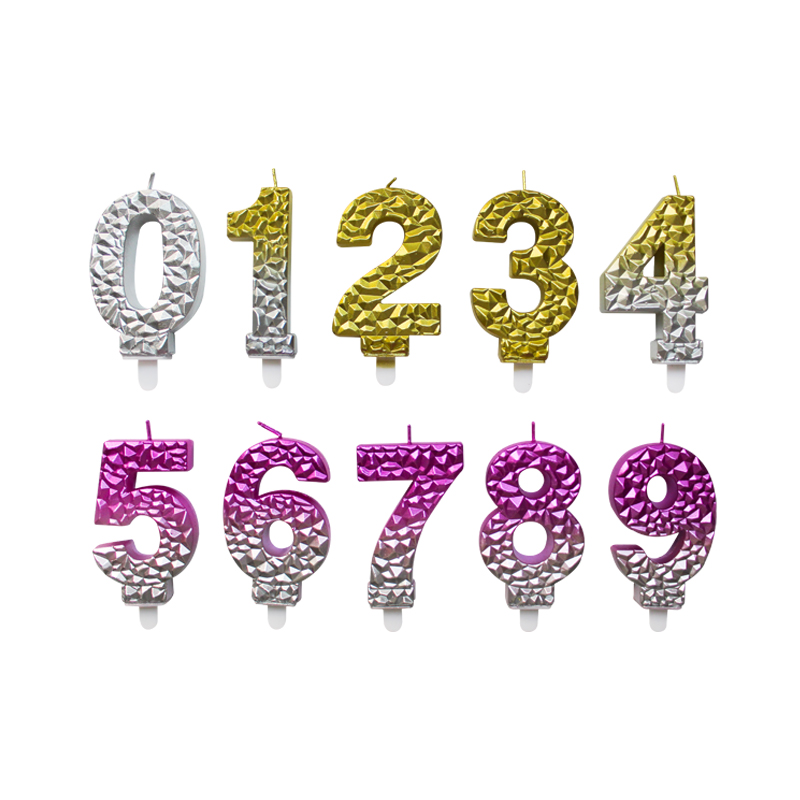
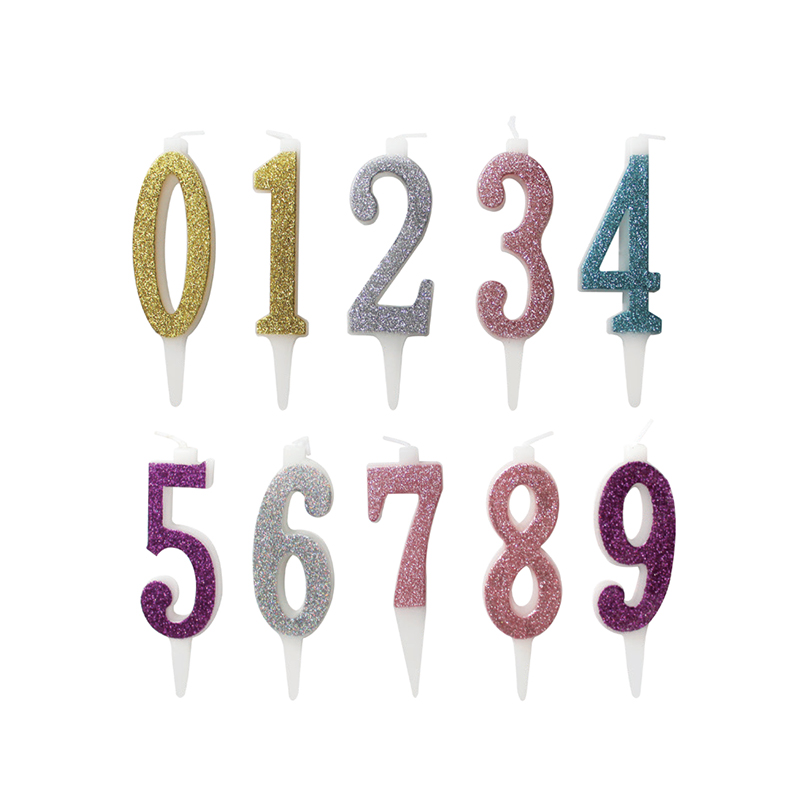
When choosing number candles for children, safety is always the top priority, and the material and structural design of the candle directly affect its safety in use. First, is it more advisable to choose rounded designs without sharp edges? The answer is yes. Such number candles (e.g., "0-9" numbers with rounded transitions, candles with enclosed wick designs) can prevent children from being scratched when touching or blowing out the candles, while also reducing the risk of the wick falling off. Second, are designs made of degradable wax and food-grade pigments more reassuring? Number candles crafted from degradable materials like soy wax and beeswax, combined with non-irritating food-grade colorants (such as macaron-colored numbers, numbers with embedded cartoon patterns), eliminate safety concerns even if they accidentally come into contact with the cake. Additionally, designs with drip-proof features (e.g., number candles covered with a heat-resistant transparent cover, styles with a wax-catching tray at the bottom) can prevent wax from dripping onto the cake and contaminating it or scalding children, making them especially suitable for active young kids.
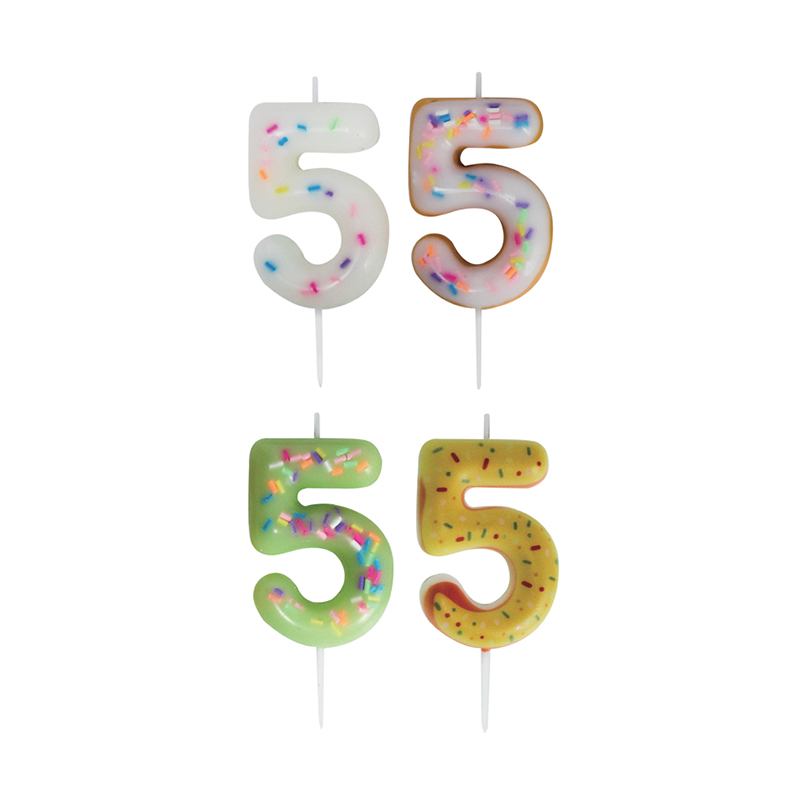
The core of a kids' birthday party is to make the child happy. If the design of the number candle incorporates elements that the child is familiar with and interested in, it can greatly enhance the fun of the party. So, are number candle designs featuring popular children's IPs more popular? For example, number candles printed with outlines of animated characters (like the number "5" with cartoon animal ears on its edges, the number "8" with superhero logos on its surface), or number candles whose overall shape imitates cartoon characters (such as the number "3" designed to look like a bear's head, the number "6" shaped like a princess dress). These designs can quickly attract children's attention and even serve as "photo props" at the party. Besides, are fun designs with glowing or color-changing effects more appealing? For instance, number candles that emit soft colored light when the wick is lit, or those whose wax reveals hidden patterns (like small stars, small flowers) when heated. These interactive designs can bring more joy to children during the candle-blowing session.
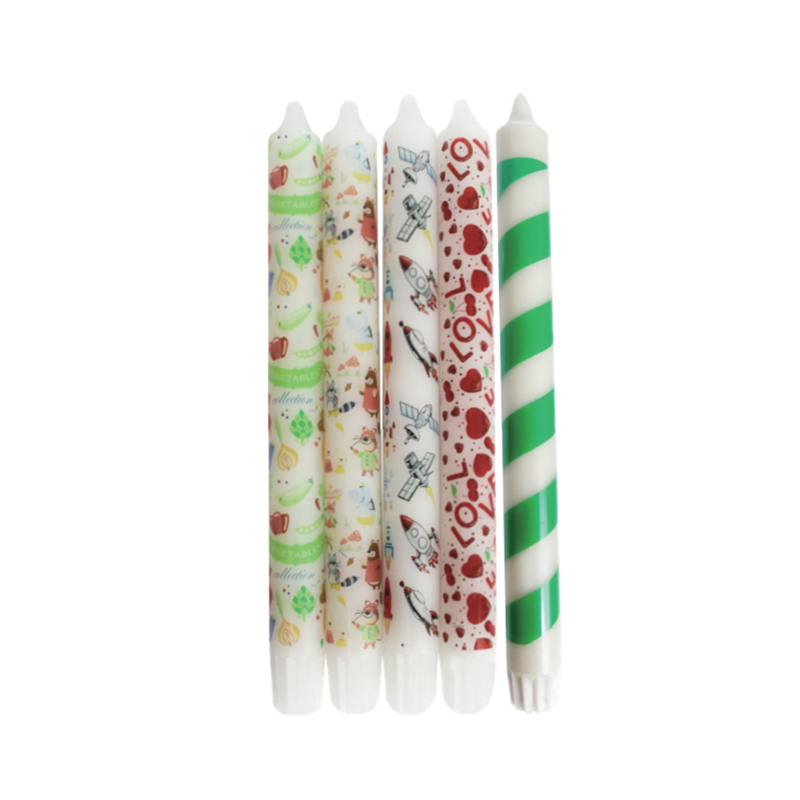
Kids' birthday parties often revolve around specific themes (such as forest, ocean, space, etc.). If the design of the number candle aligns with the theme, it can create a more unified party atmosphere. Then, how do number candle designs with embedded theme elements fit into different scenarios? For a "forest-themed party," you can choose number candles decorated with leaf and mushroom patterns on the edges; for an "ocean-themed party," opt for number candles with small fish and wave textures printed on the surface; and for a "space-themed party," number candles with outlines of stars and rockets are ideal. These designs allow the number candle to become part of the theme decoration rather than just an isolated "age marker." Furthermore, are combinable set designs more flexible? For example, a set that includes numbers and small cartoon accessories (such as the number "7" paired with matching small cake and small balloon-shaped candles). Parents can freely match them according to the party theme, which not only highlights the age but also enriches the decorative layers of the cake, making it suitable for families who prefer personalized decorations.
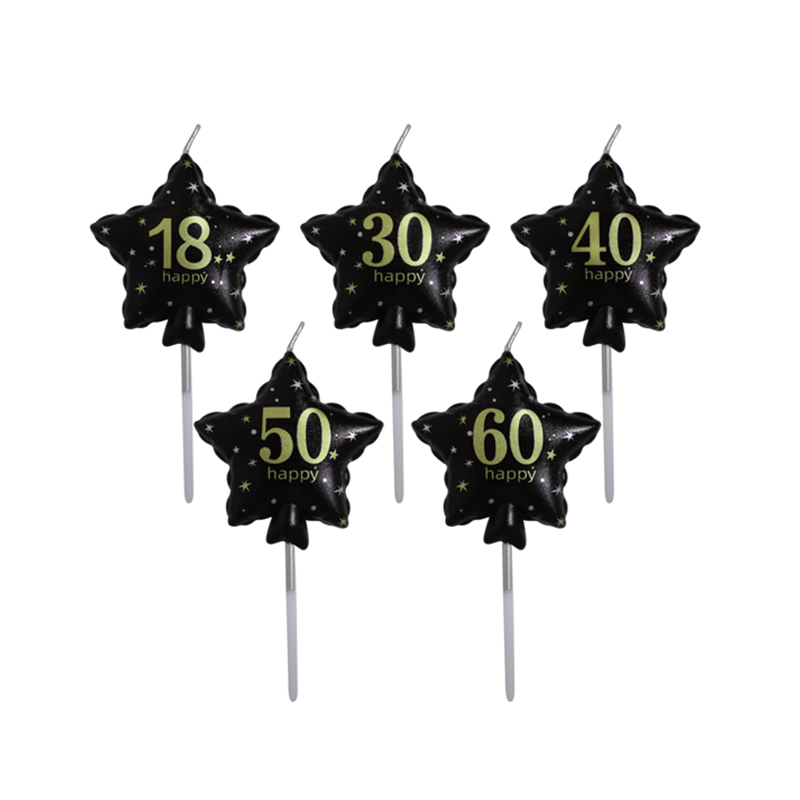
At kids' birthday parties, parents expect number candles to be easy to use, and children may also want to take part in the placement process. Therefore, the user-friendliness of the design is also important. First, are number candle designs with a stable base at the bottom easier to place? For example, number candles with non-slip silicone pads at the bottom, or styles with thick fixing pins that can be inserted into the cake. These designs prevent the candles from tilting or falling over on the cake, so parents don't have to adjust them repeatedly, and children can safely assist with the placement. Second, are segmented or detachable number candle designs more flexible? For example, number candles made up of multiple small modules (such as the number "9" that can be split into a combination of "0" and "9," large numbers that can be split to fit cakes of different sizes). They can adapt to cakes of various sizes and allow children to participate in the assembly under parental guidance, increasing the interactive experience. In addition, designs with wicks that are easy to light and produce a soft flame (such as number candles with fire-starting cotton on the top of the wick, styles where the flame height is controlled within 3cm) are more suitable for children's scenarios, reducing waiting time during ignition and safety concerns.
Children of different age groups have different preferences for designs, so the selection should be based on the child's cognitive level and interests. For younger kids aged 3-6, which designs are more acceptable? This group of children prefers bright, concrete designs, such as rounded "cartoon animal numbers" (like the number "2" shaped like a rabbit's body, the number "4" designed to look like a duckling), or simple designs with sound functions (such as number candles that play a short "Happy Birthday" song when lit). The intuitive images and sounds can quickly win their favor. For school-aged kids over 7, which designs fit their aesthetic better? At this stage, children begin to have clear interests (such as sports, animation, science, etc.). You can choose number candle designs that incorporate their specific interests (like the number "10" with a football texture, the number "12" printed with robot patterns, the number "8" designed to look like a Star Wars lightsaber). These designs can reflect the child's personality and also make them feel "proud" in front of their peers.
Number candle designs suitable for kids' birthday parties need to strike a balance between safety, fun, and adaptability—they should not only have an eye-catching appearance that surprises the child but also ensure that parents can use them with peace of mind and convenience. Parents can select styles that are both safe and interactive based on the child's age, interests, and the party theme, allowing the number candle to be more than just an "age symbol" but also a warm highlight in the child's birthday memories.

We sincerely invite partners at home and abroad to work together to create new value for candlelight economy!



 English
 русский