1. Is "Focusing Only on Appearance" a Common Pitfall in Birthday Candle Selection?
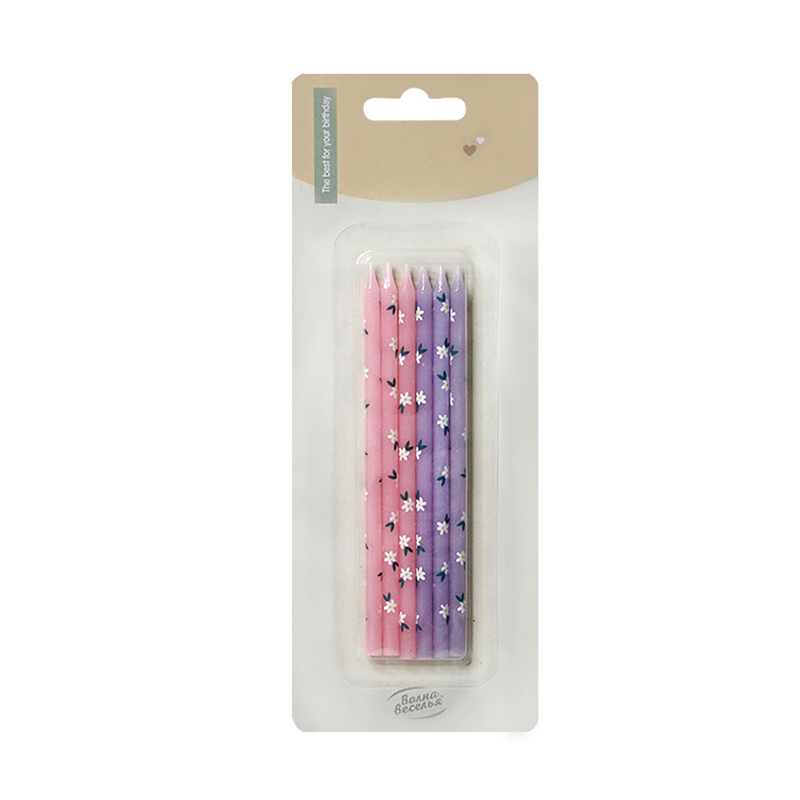
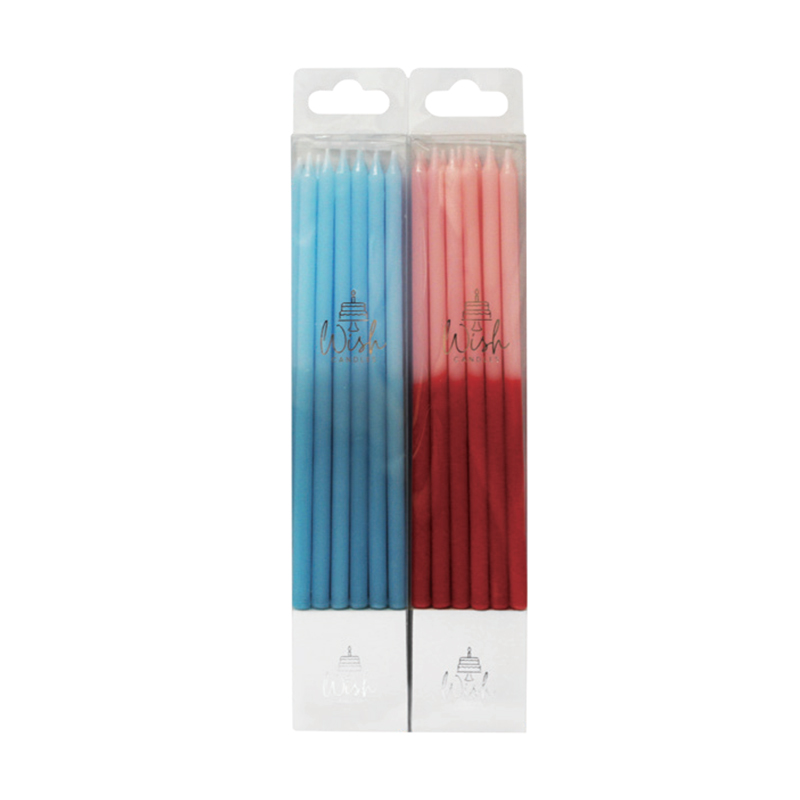
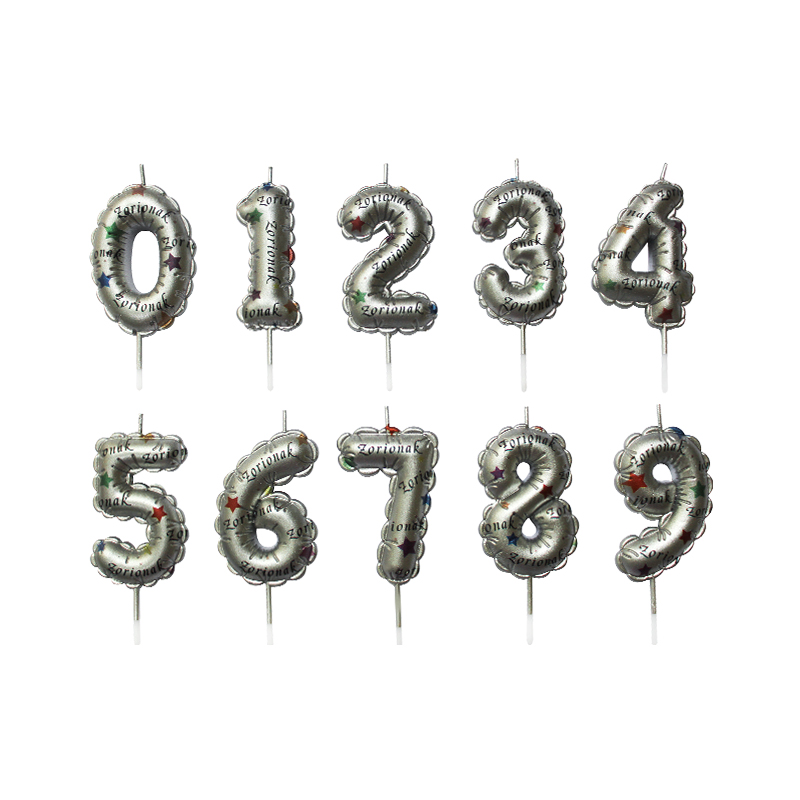
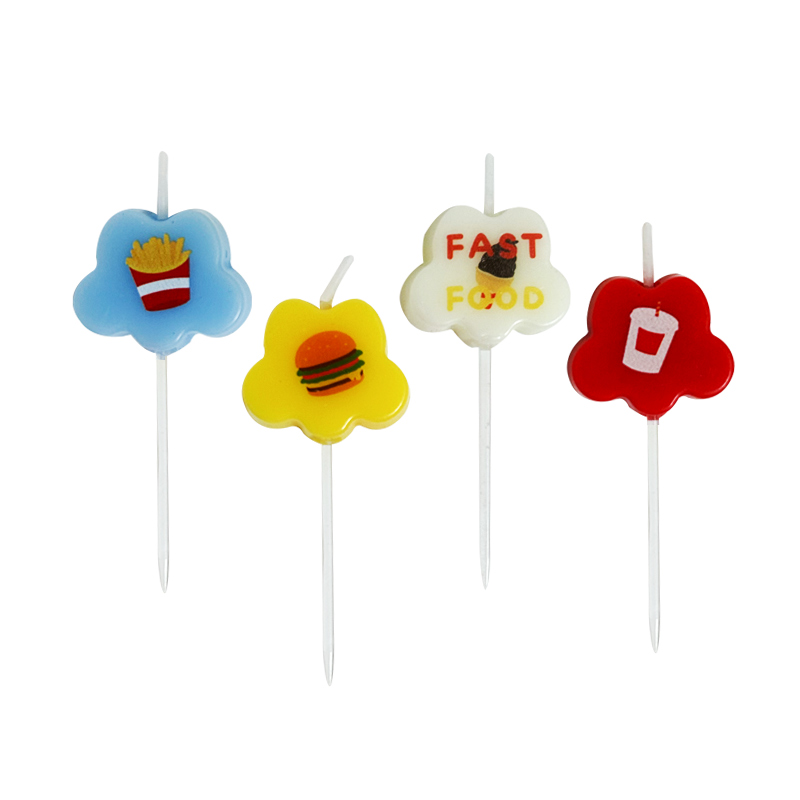
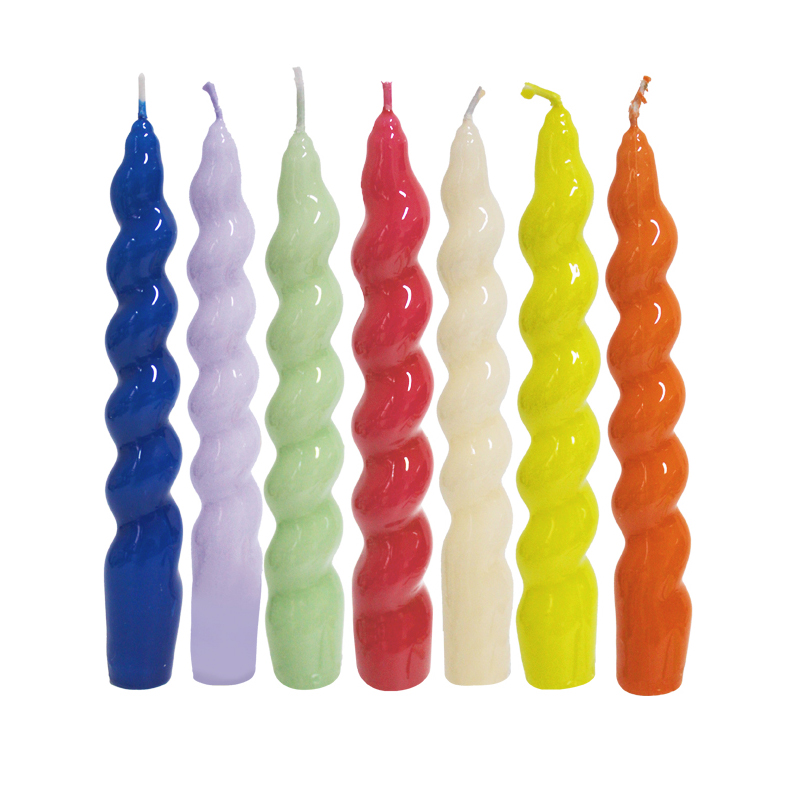
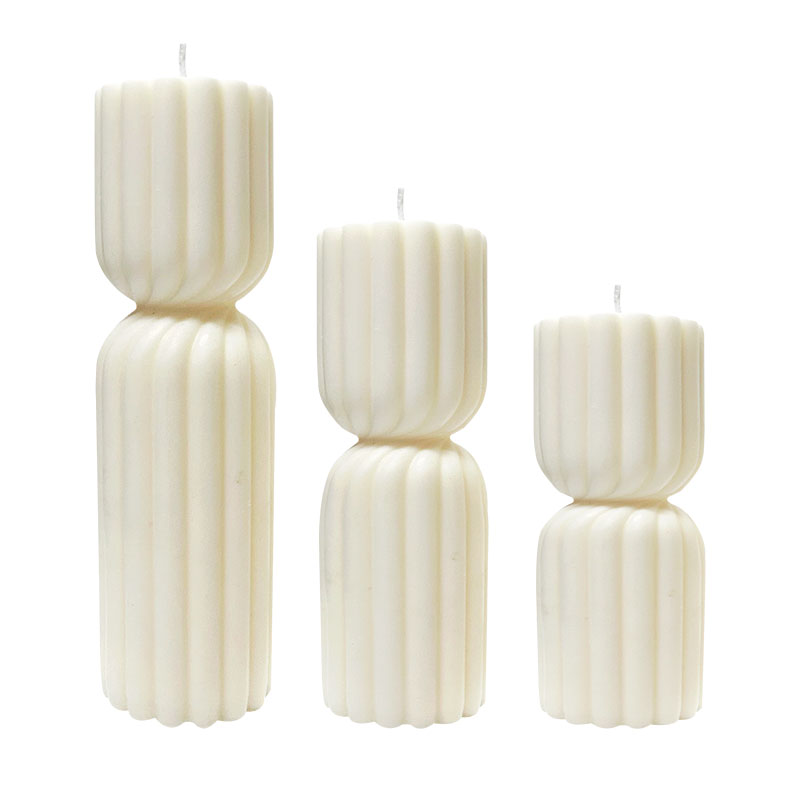
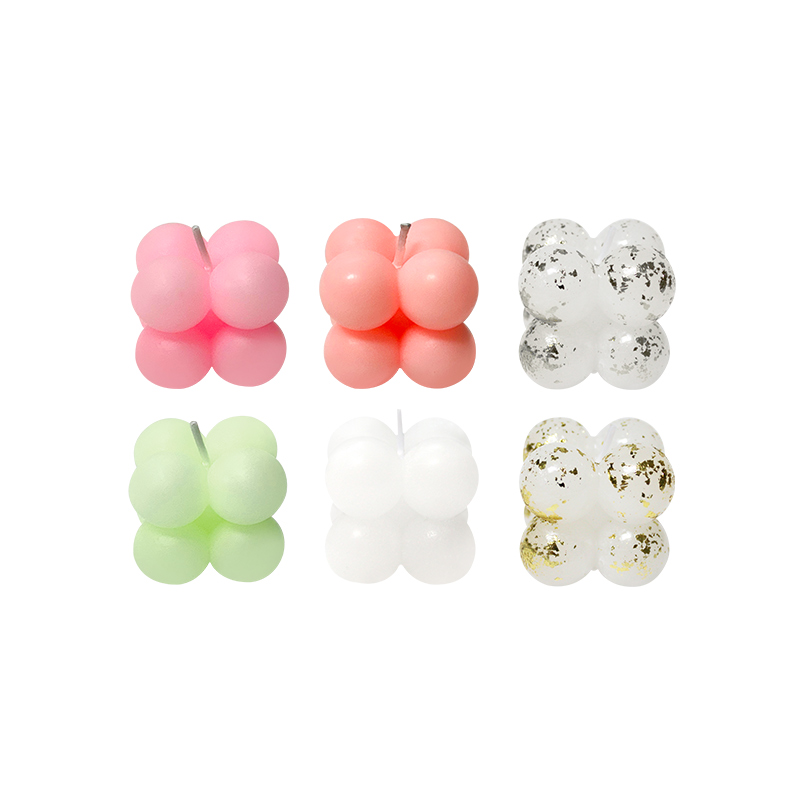
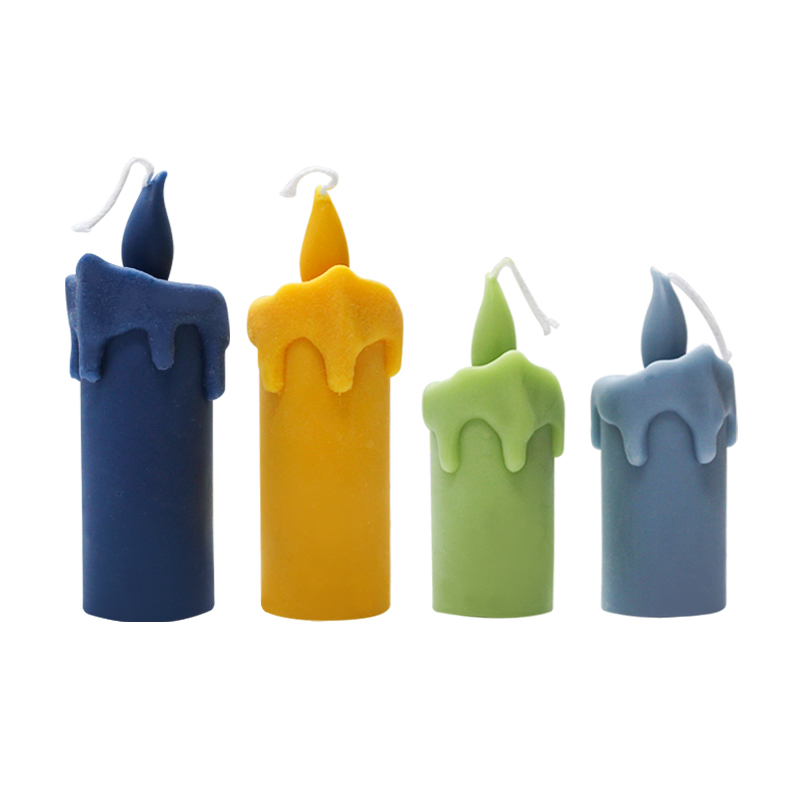
In daily purchases, many users prioritize birthday candles’modeling (such as cartoon shapes, color gradients, or decorative patterns) while ignoring core performance indicators like burning duration and safety. This "appearance-first" mindset often leads to poor user experience or even safety risks:
- Shortened Use Time: A candle with a complex 3D shape may look attractive, but if its wax material is too thin or the wick is too short, it may burn out in just 5-8 minutes—far less than the 10-15 minutes needed for a typical birthday celebration (including singing, making wishes, and taking photos). This can result in the candle extinguishing halfway through the celebration, ruining the atmosphere.
- Hidden Safety Hazards: Some decorative candles use flammable additives (such as glitter powder, paper accessories) to enhance appearance. These additives may ignite during burning, producing sparks or even dripping burning debris, increasing the risk of igniting the cake, tablecloth, or other nearby items. For example, a candle with a paper flower decoration on the surface may cause the paper to catch fire within 2 minutes of lighting, with the flame height suddenly jumping from 2cm to 8cm.
Therefore, appearance should be a "secondary consideration"—burning duration and safety must be the primary criteria for selection. A high-quality birthday candle should not only have a pleasing appearance but also meet basic performance and safety requirements.
2. What Factors Determine the Burning Duration of Birthday Candles? How to Choose the Right Duration?
The burning duration of birthday candles is mainly determined by wax material, candle size, and wick specifications, and the choice of duration should match the actual celebration needs.
Core Factors Affecting Burning Duration
- Wax Material: Common birthday candle waxes include paraffin wax, beeswax, and soy wax, with different burning efficiencies:
-
- Paraffin Wax: The most widely used material, with a moderate burning rate (about 0.3-0.5cm per 10 minutes). A standard 7cm-tall paraffin wax candle can burn for 12-18 minutes, which is suitable for most birthday scenarios.
-
- Beeswax: A natural wax with a slower burning rate (about 0.2-0.3cm per 10 minutes) due to its higher melting point (62-64℃, compared to 50-55℃ for paraffin wax). A 7cm beeswax candle can burn for 20-25 minutes, making it ideal for longer celebrations (such as large birthday parties with more guests).
-
- Soy Wax: A renewable wax with a burning rate similar to paraffin wax but with better wax pool stability (less likely to produce uneven burning). However, soy wax candles are more sensitive to temperature—they may soften and deform in hot environments (above 25℃), which can shorten the actual burning duration by 10%-20%.
- Candle Size: The height and diameter of the candle directly affect the total wax content, which is the basis for burning duration. Generally, the burning duration is proportional to the candle’s volume:
-
- Small Candles: Height 5-7cm, diameter 0.8-1.2cm (common in mini cake decorations). They usually burn for 8-12 minutes, suitable for small cakes (6-inch or smaller) or individual servings.
-
- Standard Candles: Height 8-10cm, diameter 1.5-2cm. With a burning duration of 15-20 minutes, they are the most practical choice for regular 8-10 inch birthday cakes.
-
- Large Candles: Height 12-15cm, diameter 2.5-3cm. Burning for 25-35 minutes, they are suitable for extra-large cakes (12-inch or larger) or long-duration celebration activities.
- Wick Specifications: The wick’s thickness and material affect the flame size and wax melting speed:
-
- A too-thin wick (diameter <1mm) will produce a small flame (height <1.5cm), leading to incomplete melting of the wax around the wick—this "wax tunneling" phenomenon wastes wax and shortens the actual burning duration by 30%-40%.
-
- A too-thick wick (diameter >2mm) will cause a large flame (height >3cm), accelerating wax burning and possibly producing black smoke. A standard candle with a 1.5cm diameter should use a 1.2-1.5mm thick cotton wick to ensure balanced burning.
How to Choose the Right Burning Duration
The selection of burning duration should be based on two factors: cake size and celebration process:
- For small cakes (≤6 inches) with 1-3 people: Choose candles that burn for 8-12 minutes—there’s no need for an overly long duration, as the celebration process is relatively simple.
- For medium cakes (8-10 inches) with 4-10 people: Opt for 15-20 minute burning duration, which can fully cover the time needed for lighting, singing, making wishes, and taking group photos.
- For large cakes (>12 inches) or celebrations with more than 10 people: Select candles that burn for 25-30 minutes to avoid the candle extinguishing before the celebration ends.
Note: It’s advisable to choose a duration that is "slightly longer than needed" (e.g., adding 2-3 minutes to the estimated celebration time) to account for possible delays (such as adjusting the cake position or waiting for guests to be ready).
3. How to Balance Burning Duration and Safety in Birthday Candles?
Balancing burning duration and safety requires starting from material selection, structural design, and usage specifications—ensuring that extending the burning duration does not compromise safety, and safety measures do not excessively shorten the usable time.
Material Safety: The Foundation of Balancing Duration and Safety
- Wax Material Purity: High-purity wax (without impurities or excessive additives) not only burns more stably but also reduces the risk of abnormal combustion. For example, food-grade paraffin wax (meeting FDA standards) has a uniform melting point and will not produce sudden flame surges during burning. Avoid candles with a strong chemical odor—this may indicate the presence of harmful additives (such as industrial-grade plasticizers), which can release toxic gases when burned and may also accelerate the burning rate, making it difficult to control the duration.
- Wick Safety: The wick should be made of natural materials (such as cotton or linen) without chemical coatings. Some low-quality candles use wicks with lead cores to maintain rigidity—lead can melt during burning and contaminate the cake or air. A safe wick should self-trim during burning (the burned wick tip falls off automatically) to keep the flame height stable (1.5-2.5cm), avoiding both overly fast burning (due to a large flame) and incomplete wax melting (due to a small flame).
- Decorative Material Control: If decorative elements are needed, choose non-flammable or flame-retardant materials (such as food-grade edible glitter or heat-resistant ceramic accessories). Avoid candles with paper, fabric, or plastic decorations that are in direct contact with the flame—these materials can ignite in seconds, causing the candle to burn out prematurely or produce dangerous sparks.
Structural Design: Ensuring Stable Burning and Safety
- Wick Position: The wick should be centered in the candle. If the wick is off-center, the candle will burn unevenly—one side may melt too quickly (shortening the duration) while the other side remains unburned, and the uneven wax pool may cause the candle to tip over. A well-designed candle will have a wick deviation of less than 0.5mm, ensuring balanced melting of the wax.
- Wax Thickness Uniformity: The candle’s wax layer should be evenly distributed. A candle with uneven thickness (e.g., one side is 1cm thick and the other is 0.5cm thick) will burn faster on the thinner side, leading to a shortened overall duration and an increased risk of the wick being exposed too early (causing a larger flame).
- Base Stability: Candles used on cakes should have a stable base (such as a flat bottom or a small metal holder). A unstable candle may tip over during burning, even if it has a long duration—this is a major safety hazard. For example, a tall candle with a narrow base (diameter <1cm) may easily lean over when the wax softens, causing the flame to come into contact with the cake.
Usage Specifications: Maximizing Safety While Ensuring Duration
- Proper Lighting Method: Light the candle from the bottom of the wick, not the side. Lighting from the side may cause the wax to melt unevenly, and the flame may quickly spread to the decorative parts, shortening the duration. Each candle should be lit individually to ensure that the flame is stable (no flickering) before proceeding to the next one.
- Controlled Burning Environment: Keep the candle away from drafts (such as air conditioners, fans, or open windows). Strong air flow will accelerate the burning rate (shortening the duration by 20%-30%) and cause the flame to flicker, increasing the risk of wax splashing. The ideal burning environment is a windless room with a temperature between 18-25℃.
- Timely Extinguishing: Once the celebration is over, extinguish the candle immediately using a candle snuffer (not by blowing with your mouth). Blowing may cause wax to splash or the wick to fly off, while a snuffer can extinguish the flame gently without disturbing the wax. Do not let the candle burn until it is completely exhausted—leave at least 1cm of wax at the bottom to prevent the candle holder (if any) from overheating and causing a fire.
4. What Other Safety Details Should Be Paid Attention to When Using Birthday Candles?
In addition to balancing duration and safety, the following easily overlooked details are also crucial for ensuring safe use:
- Age-Appropriate Selection: For children’s birthday parties, choose short candles (height ≤7cm) with a thick wick (1.2-1.5mm) to avoid the candle being too tall and easy to tip over. Avoid candles with small detachable parts (such as plastic eyes on a cartoon candle)—these parts may fall off and be accidentally ingested by children.
- Cake Surface Compatibility: If the cake has a lot of cream or decorations (such as chocolate shavings), ensure that the candle’s base is large enough to avoid sinking into the cream. A sinking candle may cause the wick to be submerged in melted cream, leading to extinguishing or producing black smoke. It’s advisable to insert the candle into a small piece of cardboard (placed on the cake) to increase stability.
- Emergency Preparedness: Keep a small fire extinguisher (or a basin of water) nearby when using candles. In case of accidental ignition (such as the tablecloth catching fire), immediately extinguish the fire—do not use water to put out a wax fire (as wax floats on water and may spread the fire), and use a fire extinguisher or a damp cloth instead.
5. How to Identify Low-Quality Birthday Candles That "Compromise Safety for Duration"?
Some low-quality candles use improper methods to extend burning duration, which hides significant safety risks. Here are three ways to identify them:
- Excessively Thick Wick: A candle with a wick thicker than 2mm (for a 1.5cm diameter candle) may claim to "burn longer," but in reality, it will produce a large flame (height >3cm) and a lot of black smoke. The excessive flame may ignite nearby items, and the smoke contains harmful substances (such as carbon monoxide) that can contaminate the cake.
- Hard and Brittle Wax: If the candle feels unusually hard and brittle (even at room temperature), it may contain excessive industrial wax or plasticizers. This type of wax has a high melting point and burns slowly (extending the duration), but it may not melt completely during burning, forming a hard shell around the wick—and the shell may crack suddenly, causing hot wax to splash.
- Unusual Odor: A candle with a pungent chemical odor (even before lighting) may use low-quality wax or harmful additives. When burned, these substances will release toxic gases (such as formaldehyde, benzene) and may also cause the flame to fluctuate abnormally, making the burning duration difficult to predict (sometimes too long, sometimes too short).
In summary, the selection of birthday candles should adhere to the principle of "safety first, appearance second." By focusing on wax material, wick specifications, and structural design, we can balance burning duration and safety, ensuring that the birthday celebration is both joyful and secure.





 English
 русский