Oct, 13, 2025
Content
When choosing Christmas candles, scenario-specific needs are the top priority. The size of the space, functional requirements, and environmental characteristics of different scenarios determine significant differences in the types of candles that are suitable.
For dining table decoration, the core requirement is "not interfering with the dining experience while being safe and aesthetically pleasing." Priority should be given to candles of moderate size that produce little smoke and have a stable flame when burning. Typically, such candles have a height of 5-10 cm and a diameter of 3-5 cm. This size ensures they do not block the line of sight between diners due to being too tall, nor do their flames flicker excessively due to being too short and affected by the heat from dinner plates. Meanwhile, candles that produce little smoke prevent a smoky atmosphere during meals, which could affect breathing and appetite; a stable flame avoids hot wax splattering onto food or tablecloths. Additionally, unscented or lightly scented candles are recommended for dining tables. Overly strong scents may clash with the aroma of food—for example, a strong cinnamon scent might overpower the freshness of steak—while a light cedar or citrus scent better complements the dining scenario, enhancing the ambiance without interfering with the sense of taste.
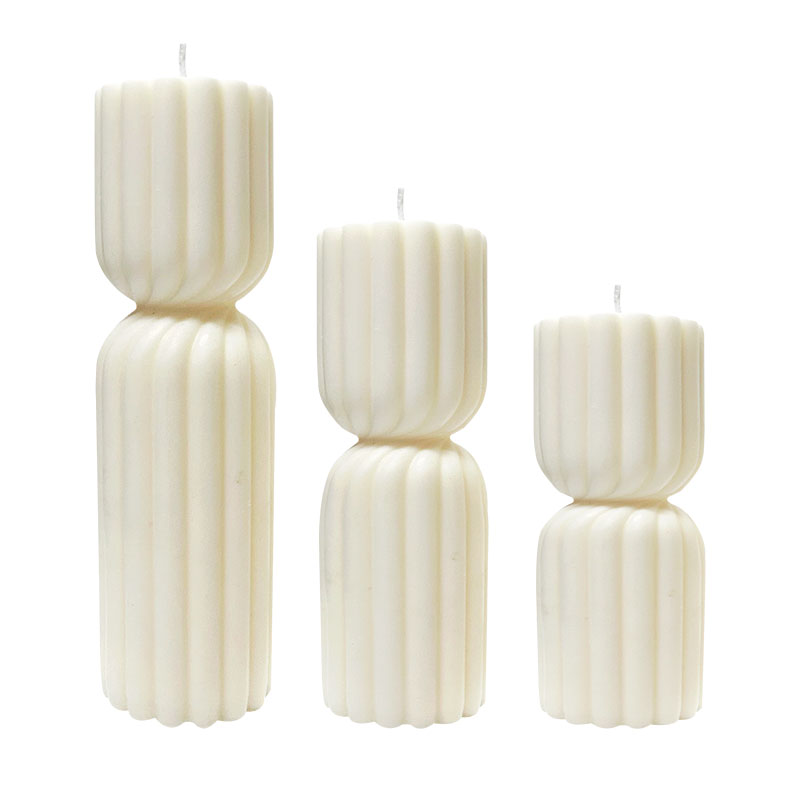
For living room decor, selection should align with "spatial style and visual effect." As the central area for family activities, candle decorations in the living room need to harmonize with the overall decor style. For a minimalist modern living room, sleek pillar candles in neutral colors like white or beige, paired with metal candle holders, can highlight a minimalist and sophisticated feel. For a Nordic-style living room, shaped candles featuring Christmas elements such as snowflakes or reindeer, or candles in fresh tones like light blue or light pink paired with wooden candle holders, can enhance a warm and natural atmosphere. Considering the size of the space: for larger living rooms (over 20 square meters), taller pillar candles (15-25 cm in height) or combined candle sets can be used. For instance, 3-5 pillar candles of varying heights (10 cm, 15 cm, 20 cm) placed around Christmas decorations (such as small Christmas trees or Christmas figurines) can create a layered visual effect. For cozy, smaller living rooms (under 15 square meters), compact spherical candles (5-8 cm in diameter) or cartoon-shaped candles (such as Santa Claus or Christmas stocking designs) are more suitable. These can be placed in corner areas like coffee tables or side cabinets, preventing the space from feeling cramped due to overly large candles while adding a lively and cute touch.
Furthermore, Christmas candles used outdoors must prioritize "environmental adaptability" and be windproof and waterproof. Outdoor scenarios often face challenges such as wind, rain, and low temperatures, which ordinary candles struggle to withstand—strong winds can extinguish flames directly, rain can cause candles to melt and deform, and low temperatures may make candle wax brittle and prone to cracking. Therefore, the outer casings of outdoor candles are usually made of metal (such as wrought iron or aluminum) or hard plastic. These casings are designed with windproof holes (which facilitate ventilation for combustion while blocking strong winds), and some high-end outdoor candles even have a waterproof coating inside the casing to prevent rainwater from seeping into the candle. Additionally, the wax of outdoor candles is more resistant to low temperatures, allowing stable combustion even in environments around 0°C without being extinguished by the cold.
Safety is of utmost importance when using Christmas candles. Every Christmas season, fire and burn accidents caused by improper candle use occur frequently, so mastering correct safe usage methods is crucial.
First, the placement of candles is the foundation of safe use—they must be kept at least 30 cm away from all flammable materials. Common flammable items include curtains (especially cotton or silk curtains, which ignite quickly when in contact with flames), tablecloths (synthetic tablecloths burn rapidly and may produce toxic gases), sofa cushions, carpets, and paper products (such as Christmas cards or wrapping paper). Additionally, avoid placing candles near electrical appliances (such as table lamps or televisions) to prevent candle flames from damaging the outer casings of appliances or the heat from appliances affecting the stable combustion of candles. Meanwhile, candles should be placed on stable, non-tippable surfaces—avoid placing them on the edges of tables or in areas prone to collisions (such as spaces where children frequently run or pets move around). If there are children or pets at home, it is advisable to place candles on high surfaces (such as the top of a bookshelf or a wall cabinet) or use candle holders with protective barriers to prevent children or pets from touching them.
Second, special attention must be paid to the method of lighting candles—incorrect lighting methods can directly lead to hazards. Use a lighter (a long-handled lighter is preferable to avoid burning your hands by getting too close to the flame) or matches to light candles; avoid using one burning candle to light another. When using a burning candle to ignite another, hot wax is likely to drip, and if it drips onto flammable materials, it could start a fire. After lighting a candle, do not leave immediately—observe it for 1-2 minutes to ensure the flame is stable (the flame height should be around 2-3 cm, with no obvious flickering or black smoke). If the flame is too large (exceeding 4 cm), the wick may be too long—extinguish the candle promptly, trim the wick, and relight it. If the flame flickers uncontrollably, there may be air currents nearby (such as drafts from window gaps or air conditioning vents)—adjust the candle's position or close windows/turn off the air conditioner.
Furthermore, never leave the room while Christmas candles are burning—this is a key principle to prevent accidents. Even if you need to leave briefly (such as going to the kitchen to fetch water or answer a call), extinguish the candle first and wait for it to cool down before leaving. There have been cases where someone lit a candle and went to the balcony to hang laundry; in just 5 minutes, the candle was knocked over by the wind, igniting the nearby curtains and eventually causing a fire in the living room. Particularly at night, if you need to use candles in the bedroom (to create a warm pre-sleep atmosphere, for example), be sure to extinguish them completely before going to bed—never sleep with burning candles. For families with children, parents must increase supervision, educate children that "candles are dangerous and should not be touched," and prevent children from playing with candles out of curiosity (which could lead to burns) or knocking over candles (which could cause accidents). For families with pets, keep pets away from candles—cats, in particular, are easily attracted to candle flames and may accidentally touch the candle, resulting in burns or knocking it over.
Christmas candles vary in price, and handcrafted beeswax or soy wax candles, in particular, are relatively expensive. Extending the burning life of candles not only saves costs but also allows them to decorate the festive atmosphere for a longer period.
First, "creating a proper wax pool" during the first burn of a candle is crucial, as it directly affects subsequent burning performance and lifespan. Allow the candle to burn long enough for the wax on the top to melt fully and form a smooth wax pool—the diameter of the wax pool should be roughly the same as the diameter of the candle. This ensures that during subsequent burns, the wax melts evenly, avoiding the "memory ring" phenomenon. The "memory ring" is a common issue in candle burning: if the wax does not melt fully during the first burn and only melts in the center, the flame will continue to burn only in the center during subsequent uses. The wax on the edges will not melt due to insufficient temperature, eventually leaving a large amount of unused wax on the edges and shortening the candle's lifespan. Typically, the burning time required depends on the candle's diameter: for candles with a diameter of 3-5 cm, the first burn should last 1-2 hours; for 6-8 cm diameters, 2-3 hours; and for large candles with a diameter exceeding 10 cm, 3-4 hours—ensuring the wax fully covers the top of the candle.
Second, maintaining the appropriate length of the candle wick is key to controlling the burning rate and extending lifespan. An overly long wick will cause a larger flame, accelerating the burning rate (the larger the flame, the more wax consumed per unit time) and producing more smoke (incomplete combustion of the wick generates carbon black, forming black smoke). An overly short wick, on the other hand, will result in a small flame or even extinguish it (the flame cannot generate enough heat to melt the wax sufficiently, and the melting rate of the wax cannot meet the flame's combustion needs). Therefore, before each use, trim the wick to a length of 0.5-1 cm using scissors (specialized wick scissors are preferable for a clean cut). Avoid trimming it too short, and do not leave frayed edges on the wick (frayed wicks easily produce black smoke). If the wick becomes charred (turns black at the top) during burning, extinguish the candle promptly, wait for it to cool, trim the wick, and relight it.
In addition, the ventilation of the burning environment also affects the candle's lifespan—avoid burning candles in well-ventilated areas. Strong winds (such as from wide-open windows or direct fan drafts) accelerate air circulation, making the flame burn more intensely, thereby speeding up wax consumption and shortening the burning life. At the same time, strong winds destabilize the flame, increasing the risk of black smoke or even tipping over the candle. Therefore, burn candles in windless or low-wind environments. If there is a slight breeze indoors, place the candle in a sheltered location such as a corner or behind a screen. Additionally, room temperature affects candle burning: excessively high temperatures (such as near heaters or fireplaces) cause the wax to soften in advance, accelerating melting and shortening the burning time; excessively low temperatures (such as outdoor cold environments) may slow down wax melting, resulting in a smaller flame. Therefore, the optimal temperature for candle burning is 15-25°C, at which candles burn stably and achieve their maximum lifespan.
After Christmas candles burn, wax remains are left behind. Improper disposal not only stains furniture and floors but also causes waste. Properly disposing of wax remains not only keeps the environment clean but also enables secondary use of resources, practicing environmental protection.
If wax remains in the candle container (such as a glass jar, ceramic bowl, or metal box), the first step in disposal is to "soften the wax" before cleaning. Soak the container with residual wax in hot water—control the water temperature at 60-80°C (excessively high temperatures may cause thin-walled glass containers to crack). The water level should submerge half the height of the residual wax in the container. Soak for approximately 10-15 minutes until the wax melts completely into a liquid, then wipe the wax clean with paper towels or a cloth (a lint-free cotton cloth is recommended). Note that the container will be hot at this point, so use gloves or wrap the outer wall with a cloth to avoid burning your hands. For high-quality candle containers such as transparent glass jars or patterned ceramic bowls, they can be repurposed after cleaning: glass jars can store small items (such as paper clips, buttons, or earrings) or serve as mini flower pots (for succulents or small daisies); ceramic bowls can be used as tableware (for holding nuts or candies) or decorations (for inserting dried flowers or branches)—both practical and eco-friendly.
If wax drips onto surfaces such as tabletops or floors, targeted cleaning methods should be adopted based on the surface material to avoid damage. For smooth surfaces (such as tiles, marble, or acrylic), wax does not adhere easily. Wait for the wax to cool and solidify completely (usually 20-30 minutes), then gently scrape it off with a blade (a utility knife or razor blade is suitable—ensure the blade is not too sharp to avoid scratching the surface). When scraping, hold the blade at a 45° angle to the surface, apply light pressure, and scrape from the edge of the wax toward the center to prevent the wax from breaking into small, hard-to-remove pieces. After scraping, wipe the surface with a damp cloth (dampened with a small amount of warm water) to remove any remaining wax residue. For wooden tabletops or floors (especially solid wood with a painted finish), avoid using a blade to scrape (as this may damage the paint). Instead, use a hair dryer (set to medium heat, with the air outlet 10-15 cm away from the wax) to melt the wax, and at the same time, gently press a stack of paper towels (multiple layers for better absorption) onto the melted wax to absorb it. Continuously replace the paper towels until all the wax is absorbed. After absorption, wipe the surface with a damp cloth dipped in a small amount of neutral detergent (such as diluted dish soap) to remove residual wax, then dry it with a clean cloth to prevent moisture from seeping into the wood and causing warping.
Furthermore, collected wax can be repurposed to make small candles, achieving "upcycling." First, place the collected wax (different colors and types of wax can be mixed; for a uniform color, select wax of the same color family) in a pot (use a dedicated small pot to avoid mixing with cooking utensils). Add a small amount of water (the water level should be lower than the wax to prevent the wax from overheating and catching fire), heat over low heat until the wax melts completely. Filter the melted wax through a sieve (fine gauze or a metal sieve) to remove impurities such as residual wicks or dust, making the wax purer. If you prefer scented candles, add 2-3 drops of natural essential oil (such as lavender or lemon essential oil—avoid industrial fragrances, which have an overly pungent smell) to the melted wax and stir well. If you want to adjust the color, add a small amount of crayon shavings (use non-toxic crayons), heat until melted, and mix with the wax to create your desired color. Next, prepare small molds (such as silicone molds or small metal molds—shapes like hearts, stars, or Christmas trees work well). Place a short piece of wick at the bottom of each mold (the wick should be longer than the height of the mold for easy lighting later), and secure the wick in the center of the mold with a toothpick to prevent it from shifting. Finally, slowly pour the melted wax into the molds—do not fill them too full (leave a 1-2 mm gap to prevent overflow when the wax cools and solidifies). Wait for the wax to cool and solidify completely (usually 1-2 hours; to speed up cooling, you can refrigerate for 10-15 minutes, but do not freeze, as this may make the wax brittle). Demold the molds to get new small candles, which can be given as Christmas gifts to relatives and friends or used to decorate corner areas of your home.
Christmas candles on the market come in a variety of materials, each with distinct wax properties, burning effects, and usage requirements. Understanding the precautions for each material not only helps maximize their decorative potential but also prevents issues caused by improper use. To simplify comparison, the table below summarizes core information about common candle materials:
| Candle Material | Price Range | Core Characteristics | Burning Performance | Usage Precautions | Suitable Scenarios |
| Paraffin Wax | Low (Several yuan to over ten yuan per candle) | Rich colors, diverse shapes, relatively soft texture | May produce a small amount of smoke; moderate flame height (2-3 cm); significant wax residue |
1. Maintain ventilation to avoid smoke accumulation; 2. Use candle holders with trays to catch wax drips; 3. Regularly trim the wick (0.5-1 cm) |
Dining table decoration, living room decor (budget-friendly scenarios) |
| Beeswax | Medium-High (Several dozen yuan to over one hundred yuan per candle) | Natural material, brittle texture, natural honey scent | Bright flame (pale yellow), minimal smoke, slow burning rate |
1. Avoid collision and extrusion to prevent cracking; 2. Ensure a complete wax pool forms during the first burn (2-4 hours); 3. Store in a cool, dry place to avoid brittleness in low temperatures |
Accent decor in living rooms, bedroom ambiance creation (quality-focused scenarios) |
| SoyWax | Medium (Over ten yuan to several dozen yuan per candle) | Eco-friendly and biodegradable, good malleability, soft texture | Little smoke, stable flame, good absorption of fragrances and pigments |
1. Avoid high-temperature environments (>25°C) to prevent softening and deformation; 2. Do not stack for storage to prevent crushing;3. Wipe "sweaty" wax from the surface in high humidity |
Children's rooms (unscented versions), creative decor in living rooms |
| Palm Wax | Medium-High (Several dozen yuan to over one hundred yuan per candle) | High hardness, high melting point (60-70°C), unique textured surface | Stable flame, little smoke, minimal wax residue |
1. Avoid violent collisions to prevent cracking; 2. No frequent wick trimming needed, as the flame is easy to control |
Outdoor windproof scenarios, high-end decor in living rooms |
| Beeswax-Soy Wax Blend | Medium (Twenty yuan to sixty yuan per candle) | Combines beeswax natural scent and bright flame with soy wax good malleability and eco-friendliness | Bright flame, little smoke, moderate burning rate |
1. Refer to beeswax precautions: avoid brittleness in low temperatures; 2. Refer to soy wax precautions: avoid softening in high temperatures |
Versatile for living rooms, bedrooms, foyers, etc. |
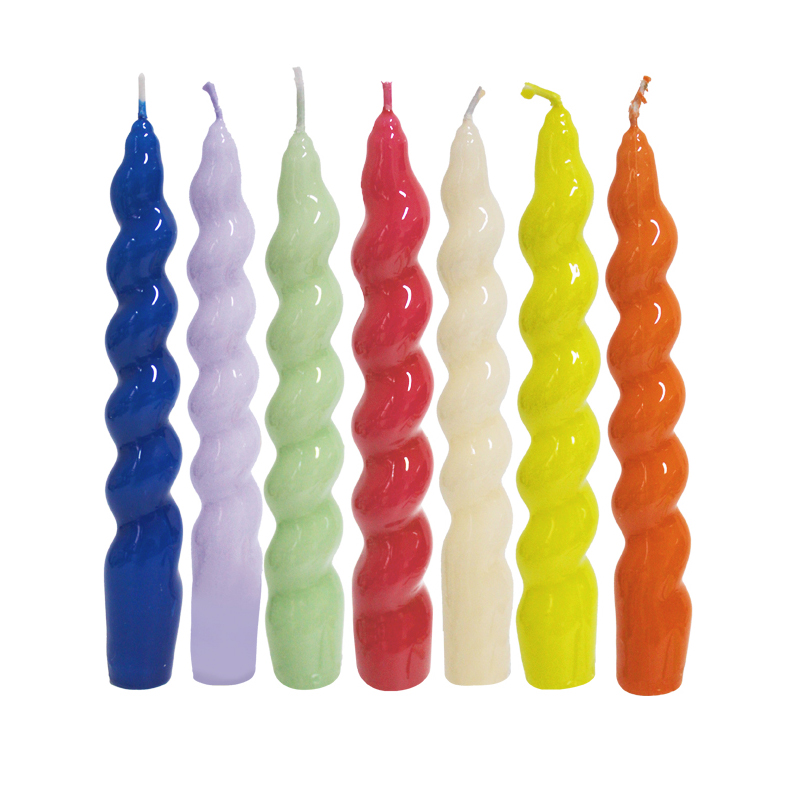
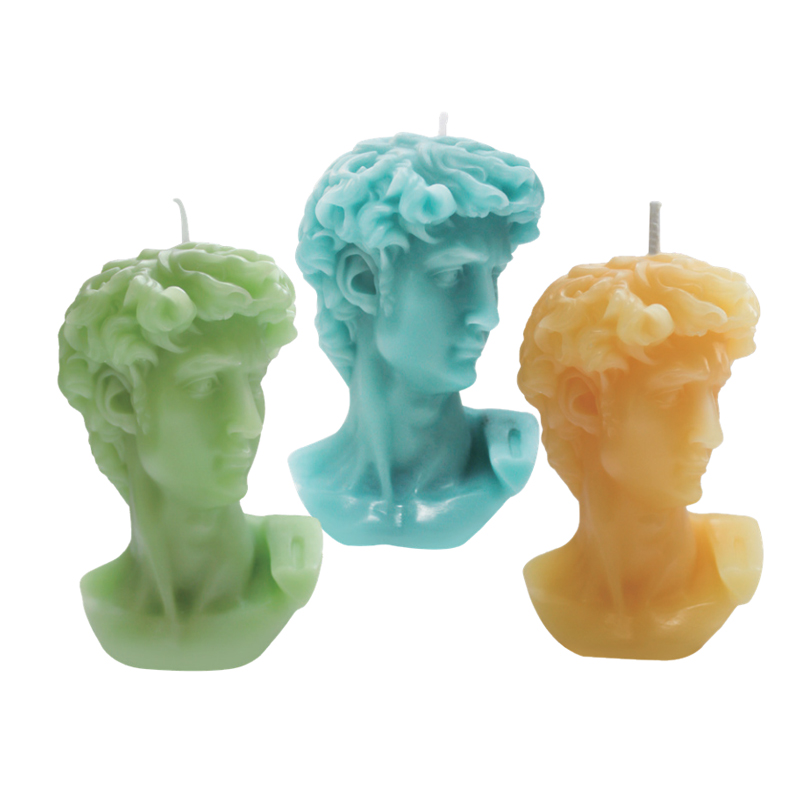
Paraffin wax candles are the most common type, offering affordability (typically a few yuan to over ten yuan per candle), a wide range of colors (from vivid reds and greens to soft pastels), and diverse shapes (including pillars, tapers, and novelty designs like snowflakes or reindeer). Their soft texture (melting point around 50-60°C) makes them easy to mold, but this also means they require extra care during use.
When burning paraffin wax candles, a minor amount of smoke may be produced—especially in poorly ventilated spaces. Prolonged exposure to this smoke can cause mild respiratory irritation, so it’s important to keep the room well-ventilated: open windows for 5-10 minutes every 1-2 hours to refresh the air. For small spaces like bedrooms, limit each use to no more than 1 hour to avoid smoke buildup.
Another key consideration is wax drip management. Paraffin wax melts relatively easily, so always use a candle holder with a tray (the tray diameter should be larger than the candle’s base to catch all drips). Without proper containment, melted wax can stain tabletops, tablecloths, or floors—stains that are difficult to remove if left to harden. Additionally, paraffin wax candles typically use cotton wicks, which tend to char during burning. Trim the wick to 0.5-1 cm before each use; a longer wick will produce a larger flame (over 4 cm), increasing smoke and accelerating wax consumption.
Beeswax candles fall into the mid-to-high price range (several dozen yuan to over one hundred yuan per candle) and are prized for their natural origins—made from wax secreted by honeybees and refined to remove impurities. High-purity beeswax has a pale yellow or creamy white hue, a subtle honey aroma, and a relatively brittle texture (harder than paraffin wax, with a melting point of 62-64°C).
One of the biggest advantages of beeswax candles is their clean burn: they produce almost no smoke and emit a bright, warm yellow flame that’s brighter than paraffin wax candles. The natural honey scent is mild and calming, making them ideal for bedrooms or living rooms where a relaxing atmosphere is desired. However, their brittleness means they’re prone to cracking if dropped, bumped, or squeezed. When handling or storing beeswax candles, always use a gentle touch—avoid stacking heavy items on top of them, and store them in a cool, dry place (away from windows or heaters, where temperature fluctuations can cause brittleness).
The first burn is critical for beeswax candles. Their dense texture means they require longer to form a full wax pool (a layer of melted wax that covers the entire top surface of the candle). For a candle with a 5 cm diameter, let it burn for 2-3 hours; for an 8 cm diameter, burn for 3-4 hours. Without a full wax pool, the candle will develop a "memory ring"—a groove that traps melted wax, preventing it from reaching the edges and wasting wax.
After use, beeswax candles leave minimal residue, and the leftover wax can be collected and repurposed into small candles or wax melts—adding to their eco-friendly appeal.
Soy wax candles have grown in popularity in recent years due to their eco-friendliness and versatility. Made from refined soybean oil, they’re biodegradable (breaking down in 6-12 months in natural environments) and produce little to no smoke or toxic fumes when burned—making them a safe choice for families with children or sensitive individuals. They’re moderately priced (over ten yuan to several dozen yuan per candle) and offer excellent malleability, allowing for intricate designs like layered petals or 3D Christmas characters.
Soy wax has a low melting point (45-55°C), so it’s softer than both paraffin and beeswax. This means it can easily soften or deform in high temperatures: avoid placing soy wax candles near heaters, fireplaces, or sunny windows (where temperatures exceed 25°C). In humid environments (like during rainy seasons, with humidity over 70%), soy wax may also develop a "sweaty" surface—small droplets of oil that seep out of the wax. This is a normal occurrence and doesn’t affect the candle’s burn; simply wipe the surface with a clean tissue before lighting.
To extend the life of a soy wax candle, avoid stacking them for storage (the weight of upper candles will crush the ones below) and choose larger diameters (a 7 cm diameter candle burns slower than a 5 cm one). Like other candles, trim the wick to 0.5-1 cm before each use to maintain a steady flame and reduce smoke.
Palm wax candles are a premium option, known for their high hardness and unique appearance. Derived from palm oil, they have a high melting point (60-70°C)—the highest among common candle materials—making them resistant to softening in warm environments. Their surface forms a distinctive crystalline pattern as they cool, adding a luxurious touch to any decor.
While palm wax candles burn cleanly with a stable flame and minimal smoke, their hardness makes them extremely brittle. A single drop or hard bump can cause them to crack, so handle them with extreme care. They also require less wick maintenance: the wick burns slowly and evenly, so trimming every 3-4 hours (instead of before each use) is sufficient. These candles are ideal for outdoor use (thanks to their heat resistance and wind stability) or as statement pieces in formal living rooms.
Blended candles combine the best of both beeswax and soy wax. The ratio of beeswax to soy wax varies—30-50% beeswax for a stronger honey scent and harder texture, or 50-70% soy wax for better malleability and a softer burn. This balance makes them versatile: they emit a mild honey aroma, produce little smoke, and can be molded into creative shapes.
When using blended candles, follow precautions for both base materials: keep them away from cold drafts (to prevent beeswax-induced brittleness) and high heat (to avoid soy wax-induced softening). Trim the wick regularly and ensure proper ventilation, just as you would for pure beeswax or soy wax candles.
No matter which material you choose, always read the product instructions (if provided) before use. Manufacturers may include specific guidelines for their candles—such as recommended burn times or storage conditions—that will help you use them safely and effectively. By understanding the unique properties of each material, you can select the perfect candles to enhance your Christmas decor while keeping your home safe.
For families with elderly members, infants, pregnant women, or people with respiratory sensitivities, using Christmas candles requires extra caution to protect their health and safety. Each group has unique physiological needs, so targeted safeguards are essential. The table below simplifies key considerations:
| Special Population | Key Risks | Critical Protective Measures | Recommended Candle Types | Prohibited Actions |
| Infants & Toddlers | 1. Burns from hot wax/candles 2. Respiratory irritation from scented/smoke 3. Fire risks from tipping | 1. Place candles 1.5m+ high (wall-mounted holders/top shelves)2. Use glass/metal-guarded holders 3. Confined to supervised enclosed areas during gatherings 4. Never leave unattended | Unscented LED candles, unscented soy wax (with strict guards) | 1. Placing near playmats/cribs 2. Using strongly scented candles 3. Letting infants touch candles |
| Elderly Adults | 1. Tipping hazards (mobility/vision issues)2. Burns (reduced temperature sensitivity)3. Nighttime falls | 1. Brightly colored holders (red/yellow) with weighted base 2. Motion-sensor LED candles along nighttime paths 3. Avoid narrow hallways/stairwells | Low-brightness LED candles, unscented paraffin (with supervision) | 1. Using open-flame candles alone 2. Hiding holders in dark corners 3. Placing near walking aids |
| Pregnant Women | 1. Respiratory harm from smoke/fragrance. Tripping while avoiding candles 3. Stress from strong scents | 1. 100% pure beeswax/unscented soy wax only2. Ventilate (open windows 5 mins hourly)3. Limit use to 1 hour with family present4. Place in spacious areas | Unscented pure beeswax, unscented soy wax | 1. Enclosed-space use2. Artificial fragrance candles 3. Night Time solo use |
| Respiratory Sensitivities | 1. Asthma/allergy flare-ups 2. Lung irritation from volatile compounds 3. Worsened symptoms in poor air | 1. Prioritize unscented LED candles 2. Air purifiers (HEPA+activated carbon) nearby 3. Prepare emergency meds (inhalers)4. Avoid smog/dusty days | Unscented LED candles, unscented pure beeswax | 1. Paraffin candles (high smoke)2. Strongly scented candles 3. Overcrowded candle displays |
Infants’ delicate skin and underdeveloped respiratory systems require the strictest safeguards. Beyond high placement, choose unscented candles only—even mild fragrances can trigger coughing or nasal congestion. For example, lavender-scented candles (often marketed as "calming") may irritate infants’ airways, leading to sleep disruptions.
When using open-flame candles, opt for heat-resistant glass holders (borosilicate glass is ideal, as it resists cracking from temperature changes) with a minimum height of 10 cm—tall enough to block little hands from reaching the flame. During Christmas parties, set up a "candle zone" (e.g., a closed study) with a designated adult supervisor; use baby gates to block access, and avoid carrying infants through this area to prevent accidental contact.
For daily use, LED simulation candles are the safest choice. Look for models with "cool-touch" exteriors (even when lit, they stay below 40°C) and auto-off timers (1-2 hours) to prevent overuse. Place them on bookshelves at eye level for toddlers—this lets them enjoy the festive glow without risk, while teaching them to "look but not touch."
Elderly adults often face mobility and sensory challenges, so candle setup should prioritize "visibility" and "stability." Choose holders in high-contrast colors (e.g., red holders against beige walls) to help those with vision loss locate them easily. Weighted bases (filled with sand or metal) prevent tipping if accidentally bumped by canes or walkers—test stability by gently pushing the holder; it should not lean more than 10 degrees.
For nighttime safety, install motion-sensor LED candles (activated by movement within 1-2 meters) along the path from bedroom to bathroom. These eliminate the need for fumbling with matches/lighters and reduce fall risks from poor lighting. Avoid placing candles near frequently used items (e.g., coffee mugs, remote controls) to prevent accidental knocks.
If elderly family members insist on open-flame candles (e.g., for traditional ambiance), use small tea lights in deep ceramic holders (at least 5 cm deep) to contain wax drips. Check the area hourly for hazards, and never leave candles burning while they nap—even short sleeps can lead to accidents.
Pregnant women should avoid all paraffin candles, as they may release trace amounts of benzene and toluene—compounds linked to respiratory discomfort. Instead, choose 100% pure beeswax candles—their natural honey scent is calming (without synthetic additives) and produces minimal smoke. Burn them in well-ventilated rooms: for a 15㎡ bedroom, open a window 10 cm wide to maintain fresh air flow without drafts.
For those with asthma or allergies, LED candles are the gold standard. If using open-flame options, place a small air purifier (with a CADR rating of 50+ for small rooms) within 1 meter of the candle—this filters 99.97% of smoke particles and volatile compounds. Keep emergency meds (e.g., albuterol inhalers) in a clear, labeled container near the candle area; ensure all family members know where they are.
Avoid using candles during smog or high-humidity days—poor air quality amplifies the effects of even minimal candle smoke. On such days, opt for battery-powered LED candles with "flicker modes" to mimic real flame without health risks.
Christmas candles shine brightest when paired with complementary decor—they enhance themes, add depth, and create cozy focal points. The key is to align candle style with space function and overall aesthetic, while keeping safety front of mind.
Turn your living room into a festive hub with multi-tiered candle arrangements. Use a 3-tier metal stand (matte black or bronze) as the base:
Fill gaps with fresh noble fir branches (15-20 cm long), red holly berries (thorn-free), and small gold bells (2 cm diameter)—the bells jingle softly when someone walks by, adding auditory charm. Place the stand beside the sofa or TV console, paired with a Christmas throw blanket (red/green) and pillow set to tie the look together.
For minimalist living rooms, use glass cylinder vases (20 cm tall) with a single white pillar candle inside. Add 2-3 cm of fake snow to the vase base, and nestle a small pine sprig against the glass—this creates a "winter wonderland" effect without cluttering the space.
A well-designed candle centerpiece elevates holiday meals without blocking conversation. For a 6-seater table, use a low rectangular tray (30×20 cm) as the base:
Ensure the tallest candle is no higher than 18 cm—this keeps sightlines clear between diners. For a rustic vibe, replace gold holders with wooden ones and add a linen table runner (cream-colored) with small snowflake embroidery.
Avoid placing candles near hot dishes or soup bowls—heat can cause wax to melt unevenly, and steam may extinguish flames. Use candle snuffers (instead of blowing) to put out candles after meals—this prevents wax splatters on food or tablecloths.
Bedroom candle decor should prioritize relaxation. On a nightstand, place a small ceramic holder (10 cm tall) with an unscented soy wax candle (8 cm tall, white or soft beige). Pair it with a small potted succulent (e.g., jade plant) and a Christmas-themed book (e.g., The Night Before Christmas)—this creates a cozy, clutter-free corner.
For shared bedrooms, use wall-mounted candle sconces (installed 1.8m high) with glass covers—these free up nightstand space and reduce tipping risks. Choose warm white LED candles for sconces—their soft flicker mimics real flame without the fire hazard, making them safe for overnight use (with auto-off timers).
Greenery adds life to candle displays while reinforcing the holiday theme. Here are two easy, safe combinations:
Drape a 1.5m noble fir garland along your mantel or entryway shelf. Tuck 3-4 small pillar candles (10 cm tall, red or white) into the garland—space them 30 cm apart, and use small wire clips to secure the candles to the garland (prevents tipping). Add 2-3 gold baubles (5 cm diameter) and a red bow (10 cm wide) to the garland for pops of color.
Ensure the garland is at least 10 cm away from the candle flames—dry fir branches are flammable, so avoid overcrowding. Mist the garland lightly with water every 2-3 days to keep it fresh; this also reduces fire risk by keeping branches moist.
Place a 60 cm tall mini Christmas tree (real or artificial) in a corner of your living room or bedroom. Surround its base with 5-6 small LED tea lights (in snowflake-shaped holders) and 2-3 small wrapped gift boxes (6×4×4 cm, red/gold paper). Add a strand of battery-powered fairy lights (warm white, 2m long) around the tree—turn on the lights and candles at dusk for a magical glow.
For real trees, keep the base watered (check daily) to prevent dryness—dry pine needles are a fire hazard. Place the tree and candles at least 1 meter away from heaters or fireplaces, and never leave the lights/candles on overnight.
Even with precautions, accidents can happen—knowing how to respond quickly can prevent small issues from becoming major hazards. Below is a step-by-step guide to common emergencies, plus post-accident cleanup tips.
If a candle tips over and ignites nearby items (e.g., tablecloth, napkins):
Note: If the fire spreads to curtains, furniture, or walls, evacuate immediately and call emergency services (e.g., 911 in the US, 119 in China).
Wax burns are common—act quickly to minimize damage:
Hot glass can crack if exposed to cold (e.g., drafty windows, cold spills), causing wax and flames to spill:
After handling an emergency, take steps to prevent future issues:
Christmas candles are more than just decor—they bring warmth, tradition, and joy to holiday gatherings. By choosing the right material for your needs, taking targeted precautions for special populations, pairing candles with decor safely, and knowing how to handle emergencies, you can enjoy their glow without compromise. Whether you prefer the affordability of paraffin, the natural purity of beeswax, or the convenience of LED candles, the key is to prioritize safety while embracing the festive spirit. This holiday season, let your Christmas candles shine bright—safely and beautifully.

We sincerely invite partners at home and abroad to work together to create new value for candlelight economy!



 English
 русский